



Infections from a parasitic infection are spiking in multiple states, and spreading for the first time this year to others.
The number of cases of cyclosporiasis, the infection caused by a parasite in food or water, have jumped in Michigan to 1,251, authorities there reported on July 9. That’s up from 572 on July 4 and 992 on July 8.
“At this time, no specific produce grower, supplier or type of produce has been identified as the source,” a spokesperson for the Michigan Department of Health and Human Services told The Epoch Times via email.
In Ohio, there have been 171 cases in recent weeks, the Ohio Department of Health said on Wednesday. Twenty-eight of the patients have been hospitalized.
“This is a serious illness that can cause dehydration and require people to seek emergency medical care, and it should be taken seriously,” Dr. Bruce Vanderhoff, the department’s director, said in a statement.
New York has confirmed 118 cases since May 1, a spokesperson for the New York State Department of Health told The Epoch Times in an email.
More than 100 other patients have been detected in other states since May 1, according to the Centers for Disease Control and Prevention. No deaths have been reported.
The CDC, which said on July 1 that there is no evidence of a single outbreak linking all the cases, did not respond to a request for comment by time of publication.
The CDC on July 1, 2025, stopped requiring states to report cases of cyclosporiasis to a system called FoodNet, a move officials attributed to the ability of other systems to monitor for those and other infections.
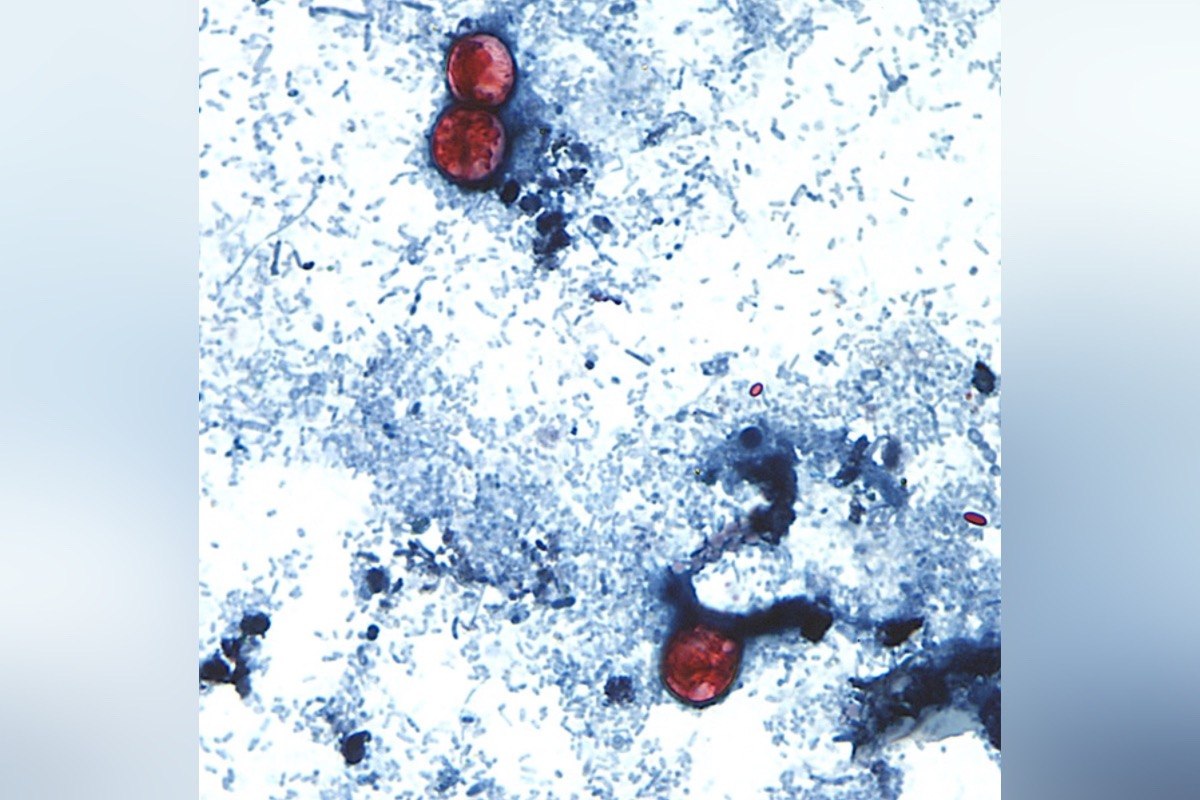
Cyclosporiasis is a disease caused by a parasite called Cyclospora cayetanensis. The parasite can be in food and water contaminated with feces. Symptoms such as diarrhea typically appear two days to two weeks after infection. Cases can be confirmed through stool sample testing, and treatment usually involves antibiotics.
Previous cyclosporiasis outbreaks have involved produce such as lettuce, raspberries, and cilantro.
States and the CDC are investigating the cause or causes of the new cases.
People are advised to take steps to prevent infections, including washing their hands with soap and water before and after handling raw produce.
Washing produce before consumption, scrubbing harder produce thoroughly with a clean brush, and removing damaged and bruised areas of produce prior to preparation are among the other tips that officials are recommending. People can also cook produce where possible before eating it.
People who suspect they have been infected by Cyclospora should see a doctor. The most common symptom is watery diarrhea. Other symptoms can include loss of appetite, weight loss, vomiting, and stomach cramps.
One of the best ways besides treatment in dealing with the infection is drinking plenty of fluids.