



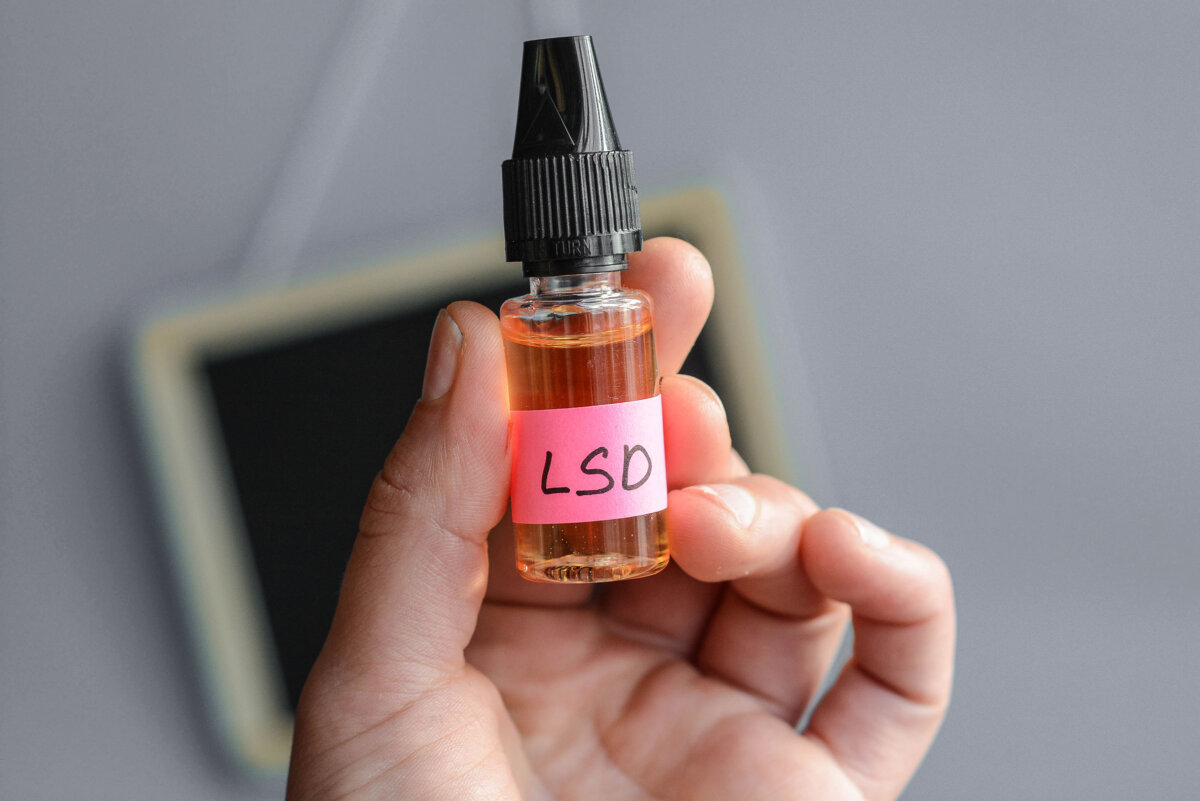
Prior use of lysergic acid diethylamide (LSD), a controlled hallucinogen made from a chemical found in fungus, does not increase psychological resilience to stressful events, new research suggests.
In a paper published Thursday in PLOS One, research psychologist Benjamin Korman found that prior use of LSD is linked to experiencing severe psychological distress after job loss.
LSD is a drug that alters the way the brain responds to serotonin, a neurotransmitter. The drug changes people’s moods, emotions, and behavior.
In the study, Mr. Korman analyzed Germany’s public survey data on 15,854 adults. These people lost their jobs in the last year and were job seeking. The author said that changes in employment status is a stressful experience which can be linked to adverse mental health outcomes.
Among the respondents, 520 reported prior use of LSD. These people were around 1.6 to 1.7 times more likely to report severe psychological distress than nonusers, the study found.
A supplemental analysis evaluating moderate psychological distress in LSD users showed similar results.
“This study brings into question previous findings linking classic psychedelic use to psychological strengths and resilience by demonstrating that prior use of lysergic acid diethylamide (LSD) is associated with greater psychological distress following later job loss,” Mr. Korman said in a news release.
Given his findings, Mr. Korman advised against LSD use as a means for healthy individuals to gain psychological resilience and encouraged researchers to question studies that show otherwise.
The study had some limitations. Since the study could not control the timing between LSD use and job loss, its findings cannot be used to draw conclusions about short-term effects of LSD. Also, the study only examined job loss and did not address whether LSD affects resilience to other life stressors.
What Is LSD?
First synthesized in 1938, LSD is classified as a Schedule I controlled substance, meaning it is illegal to manufacture, possess, or distribute it for nonresearch purposes.
When ingested in small doses, LSD can cause altered perceptions and moods, intense emotions, and changes in sensory experiences lasting several hours and may include visual and auditory hallucinations, changes in thought patterns, and a distorted sense of time.
Although there is ongoing research into the drug’s potential therapeutic uses for conditions such as depression, anxiety, and post-traumatic stress disorder, some users may experience acute anxiety and depression after an LSD “trip,” according to the U.S. Drug Enforcement Administration.
Clinical Studies of LSD
Despite the resurgence in research on classic psychedelics like LSD, few studies have explored how using LSD in real-world, everyday settings rather than in a controlled clinical or laboratory environment impacts mental health outcomes during subsequent stressful experiences.
Several studies in a clinical environment suggest LSD has the potential to enhance psychological resilience through various mechanisms, including improved learning, increased cognitive flexibility, and positive changes in personality traits.
A November 2022 study published in Psychological Medicine found that participants under the influence of LSD showed increased exploratory behavior and a greater willingness to seek new options. The study’s findings imply that LSD could facilitate cognitive flexibility, potentially aiding in the development of resilience by promoting adaptive learning processes. However, the study focused on the immediate effects of LSD, and further research is needed to explore the long-term impacts and potential therapeutic applications.
A 2016 study published in the same journal noted that while LSD can initially induce psychosis-like symptoms, it also leads to increased optimism and openness. The findings suggest that LSD might help improve psychological well-being and resilience.
A 2020 systematic review of randomized controlled trials from the 1950s to the 1970s found that LSD, when administered with appropriate therapeutic support, could reduce symptoms of anxiety, depression, psychosomatic diseases, and addiction.
Other studies highlight the risks associated with LSD use, including acute psychological distress, long-term mental health issues, and lasting neurobiological changes.
A 2021 study in NeuroImage found significant alterations in LSD users’ brain connections, particularly in regions associated with mood regulation and sensory perception. These changes include increased connectivity in sensory regions and decreased connectivity in regions involved in associative networks.
In a 2019 systematic review in Frontiers in Psychology, researchers found that some long-term LSD users developed persistent psychological issues, such as depression and anxiety disorders. Some experienced recurring visual disturbances long after the drug use had ceased. Depending on an individual’s predisposition, LSD use may exacerbate preexisting psychotic disorders or lead to prolonged psychotic reactions, the authors noted.