



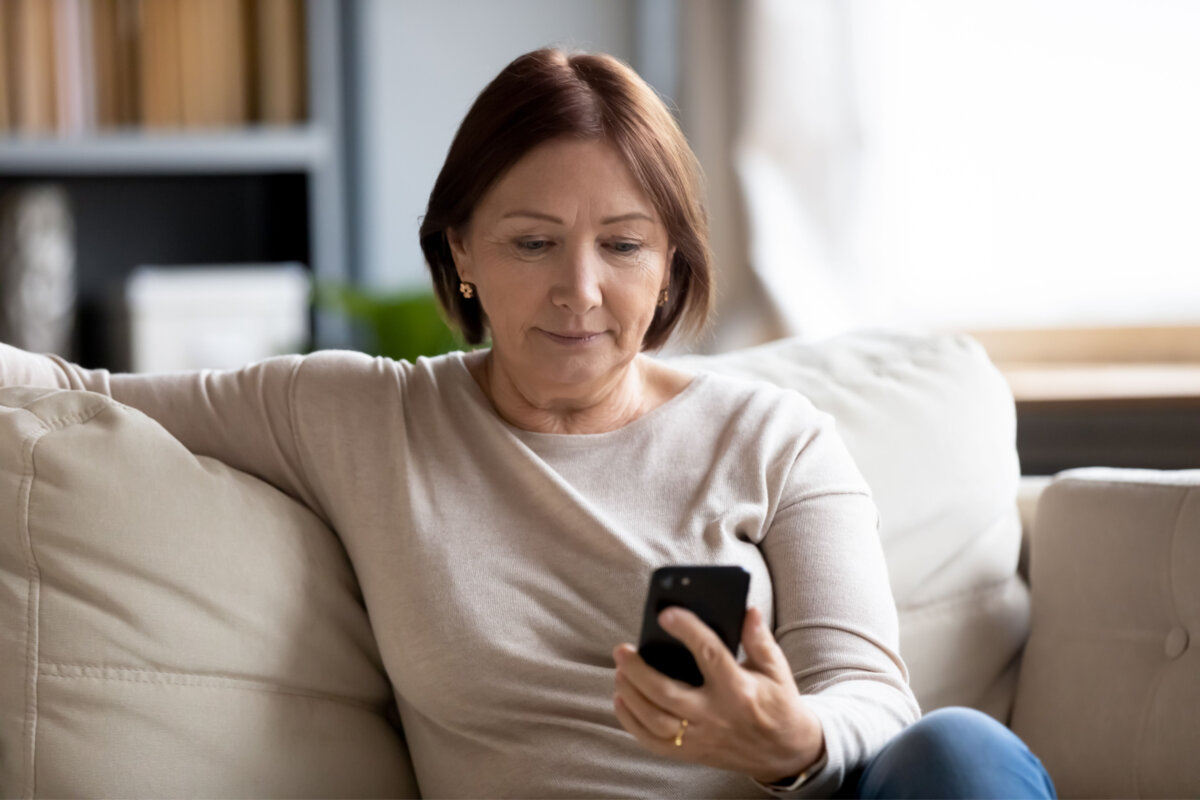
Researchers have discovered a link between phone-based psychological care and improved depressive symptoms among older adults. In fact, the new study suggests that the benefits of weekly wellness check-ins via phone may even exceed the benefits of antidepressant medication.
Conducted at the University of York, Hull York Medical School, and Tees, Esk and Wear Valleys NHS Foundation Trust in the United Kingdom and published in The Lancet (Healthy Longevity), the study found significantly reduced levels of depression among older adults who received weekly phone calls from specially trained coaches over an eight-week period. During these phone calls, the coaches encouraged the older adults to maintain social connections and remain active.
Study Findings Explained
The study began during the COVID-19 pandemic and was the largest study ever undertaken to measure and combat loneliness. Hundreds of people older than 65 with multiple long-term medical conditions across the UK were asked to participate in the study while simultaneously sheltering in place because of their high risk of contracting COVID-19. Thus, the participants were at a known risk of developing loneliness and depression.
According to Science Daily, study participants found that their levels of emotional loneliness fell by 21 percent over a three-month period. The benefits remained even after the phone calls had ceased, suggesting long-term effects.
“What this study showed is that for folks who were siloed by Covid 19 and had failed to return to the relational life they had previously enjoyed, the simple act of engaging them weekly by phone, and of encouraging and supporting their participation with life, went a long way in reducing their isolation and the depression that came along with it,” Carl Nassar, a psychotherapist and licensed professional counselor, told The Epoch Times in an email.
Perhaps the most surprising aspect of the study was the comparison between the effectiveness of phone-based psychological care and antidepressant medications. Science Daily, reporting on the study, wrote that the researchers found that “levels of depression reduced significantly” and that “the benefits were greater than those seen for antidepressants.”
Why Is Loneliness Among Older Adults a Cause for Concern?
About 1 in 4 older adults experience social isolation or feel lonely on a regular basis. A person’s physical health, mental health, quality of life, and life expectancy can all be seriously affected by social isolation and loneliness. Research suggests that social isolation and loneliness can affect mortality rates in ways comparable to smoking, obesity, and inactive lifestyles.
The issue is reportedly so dire that the World Health Organization recently announced that it now considers loneliness a global health concern, and the organization is advocating improved resources and recognition of social isolation and loneliness as a worldwide health priority. San Mateo County, California, recently declared loneliness a “public health emergency.”
“The simple act of reaching out to an elder once a week, by telephone, encouraging them to participate in the world again, checking to see if they’re following up on that participation, can be enough to awaken people into life and into connection again,” Mr. Nassar said. “It’s an important reminder that despite the social isolation that runs rampant in our culture, especially among the elderly, the simple involvement of a caring, reliable, dependable other is often enough to bring us back to each other, and back to life.”
What Contributes to Loneliness and Depression in Older Adults?
Older adults are more at risk for developing loneliness and depression because they are more likely to experience factors that contribute to these conditions, such as living alone, retirement, the loss of family or friends, chronic illness, and hearing and vision loss.
“When we retire, we leave behind the world of work, and the small social networks it affords each of us,” Mr. Nassar said. “It’s then we often find ourselves alone, aging and adrift, in this world. As we continue to age, and our physical mobility is gradually diminished, we start to feel progressively more locked in place, without the ability to easily journey into and interact with the outside world.”
It is important to note that social isolation and loneliness do not always come together. For example, nearly 14 million Americans live alone, but many of them do not experience social isolation or loneliness. And many people face feelings of loneliness despite having a strong support system of family and friends. Perhaps the most effective way for older adults to ensure that they do not feel socially isolated is for them to actively participate in activities that encourage connection and a sense of self-worth.
What Other Interventions Can Combat Social Isolation, Loneliness?
Staying active and engaging in meaningful, productive activities are key components of combating social isolation and loneliness. There are many different ways older adults can accomplish this, including:
- Engaging in hobbies
- Volunteering
- Participating in community-based groups
- Using technology to keep in touch with family and friends
“Community engagement initiatives play a vital role in reducing social isolation and promoting mental health among older adults. These initiatives can include community centers, senior clubs, volunteer programs, and recreational activities tailored to older adults’ interests,” Deborah Gilman, a licensed psychologist, told The Epoch Times in an email. “Encouraging older adults to give back to their communities and contribute to causes they care about can foster a sense of belonging and make a positive impact on society.”
Ms. Gilman also emphasizes the importance of hobbies and activities that stimulate the mind and encourage creativity, such as puzzles, games, reading, music, art, and crafting.
“Participating in intellectually stimulating activities can also promote social engagement and a sense of fulfillment,” Ms. Gilman said. “Engaging in creative activities can provide a therapeutic outlet for self-expression and emotional healing. Encouraging older adults to explore their creative interests and hobbies can foster a sense of purpose, accomplishment, and joy.”
Physical activity is also a useful method to combat depression and loneliness. Ms. Gilman said, “Offering older adults ways to engage in physical activities they enjoy, such as walking, swimming, gardening, or tai chi, can help reduce symptoms of depression, boost mood, and improve overall health and vitality.”
Finally, keeping in touch with family and friends can ensure older adults feel loved and supported, and technology can help bridge the gap if distance is a factor. “Cultivating nurturing relationships with friends, neighbors, and peers provides a sense of belonging and support,” Ms. Gilman said.