



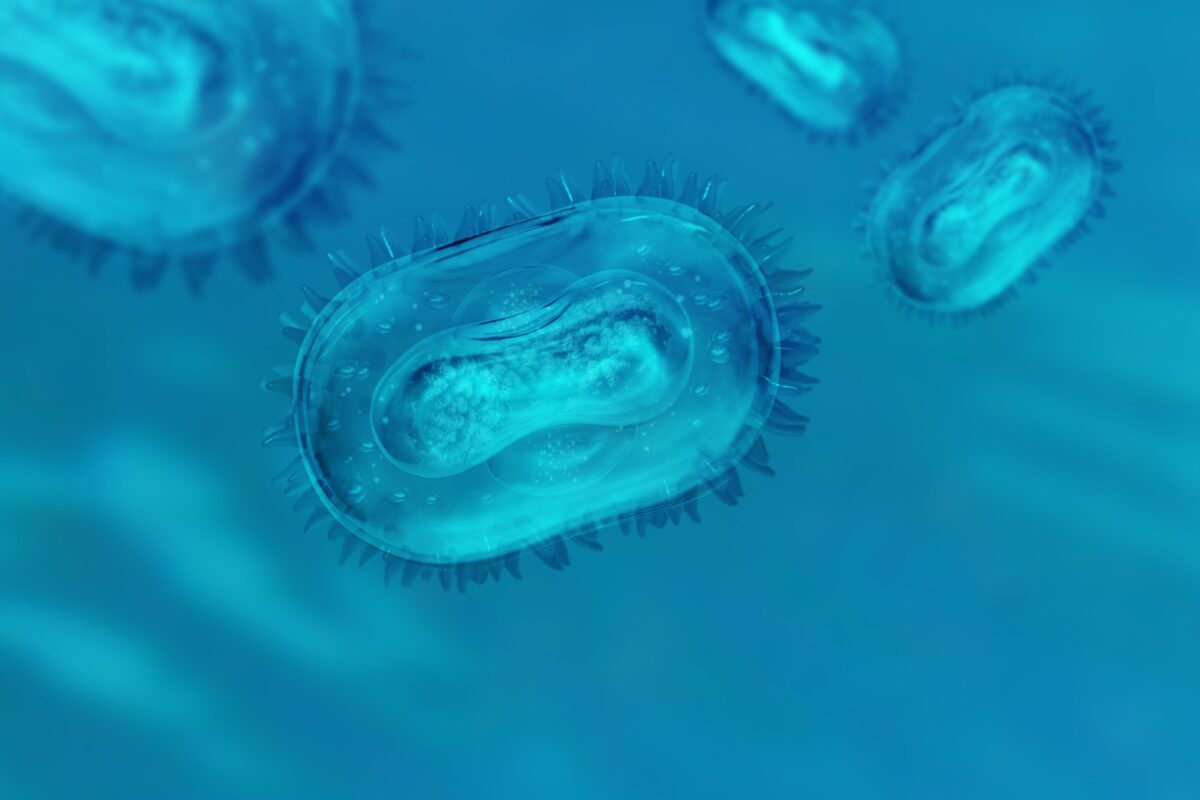
As mpox continues its swelling spread across the Democratic Republic of Congo, the World Health Organization is raising alarms of the possibility of an even more serious outbreak because of confirmed cases of sexual transmission, according to a recent report. Mpox is an infectious disease caused by the monkeypox virus that brings on a painful rash, enlarged lymph nodes and fever.
Between January 2023 and early November, over 12,500 people have been infected and around 581 deaths are estimated to have been caused by the virus in the country alone, according to the WHO. This spike marks the highest number of mpox cases recorded in the country since the initial discovery of human-to-human transmission more than 50 years ago, doubling case counts from 2020.
The drivers behind this swelling outbreak, which is affecting men, women and children alike, remain uncertain, according to the WHO. Globally, around 92,050 infections have been logged to date, with approximately 31,010 cases documented in the United States so far, according to the U.S. Centers for Disease Control and Prevention.
What is Mpox?
Mpox is a viral illness caused by the monkeypox virus, a species of the genus Orthopoxvirus. Two different clades, or organisms, exist: clade 1 and clade 2. Both can spread to household members and sexual partners, with those having multiple partners facing a higher risk of mpox transmission.
Mpox spreads through direct contact with infectious skin lesions, bodily fluids, or contaminated objects like clothing or linens. Face-to-face, skin-to-skin, mouth-to-mouth, oral, vaginal, and anal sexual contact can transmit mpox. Respiratory droplets or aerosols also pose risk.
Additionally, infected animals can transmit mpox through bites, scratches, hunting, skinning, trapping, cooking, playing with carcasses, or eating animals. The CDC notes that a wide range of animals, including monkeys, rodents, and other mammals, may carry mpox. Reptile and bird susceptibility remains uncertain. Some researchers have a theory that home pets can carry the virus as well.
After an incubation period of 2-21 days, symptoms such as fever, sore throat, and rash may appear. An infected person’s rash progresses through stages, eventually crusting over after 2-4 weeks. During illness, risk of complications or death rise for vulnerable groups like children, pregnant individuals and the immunocompromised.
How Did It Start?
First discovered in Danish lab monkeys in 1958, monkeypox infected humans as early as 1970. The first human case was reported in a 9-month-old boy in the DRC. The current global outbreak began in 2022.
Mpox is now endemic in 11 of the 26 provinces in the DRC, meaning the virus is occurring regularly within the community, but it has been detected and spreading in a total of 22 provinces, according to the WHO.
The WHO first discovered the outbreak of sexually transmitted mpox in March after a Belgian resident with DRC connections, along with five of his sexual partners, tested positive for the clade 1 strain of mpox. The clade 1 strain has an estimated fatality rate around 10 percent and has been the more dangerous of the two mpox clades spreading globally since 2022.
In July 2023, health authorities confirmed a second case of sexually transmitted mpox in a man from the same town. Contact tracing revealed he had no links to the initial March-April cluster of cases or their close contacts, the WHO reported.