



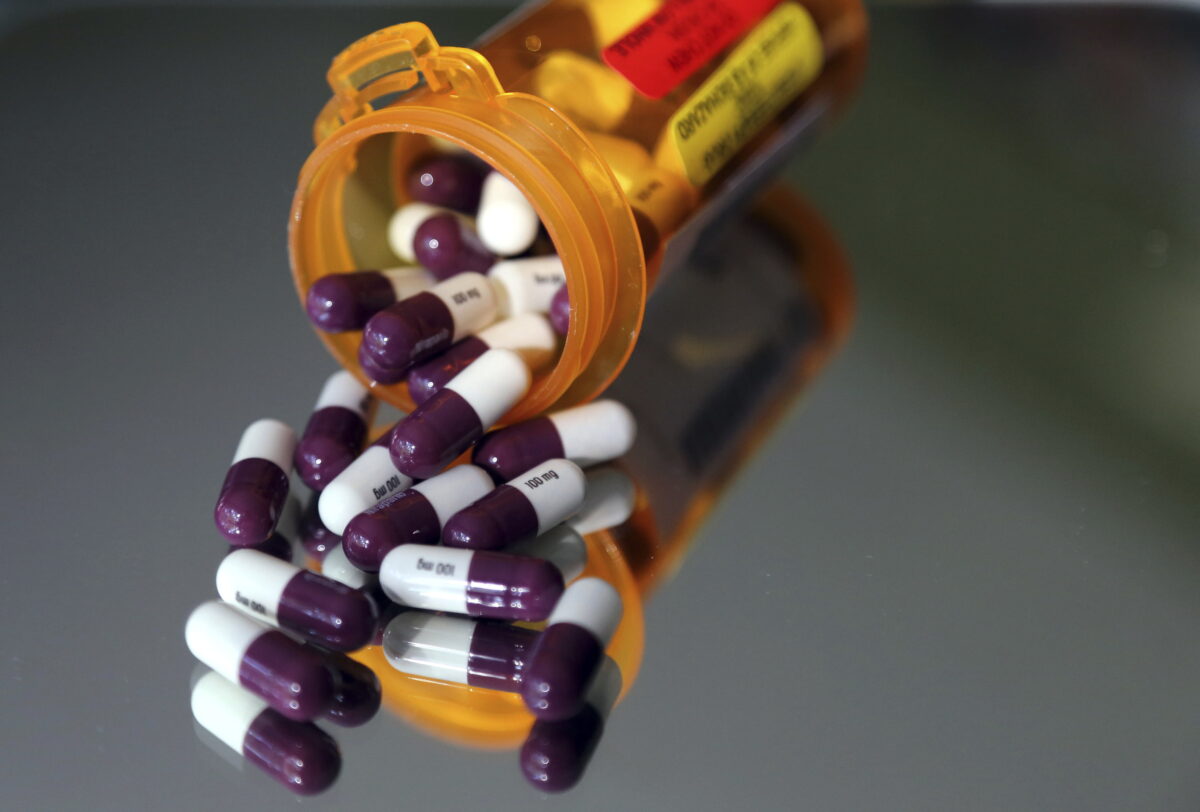
The number of inspections of drug manufacturing facilities that the Food and Drug Administration (FDA) was able to carry out both in the United States and abroad plummeted during the COVID-19 pandemic, according to the findings of a new study.
Researchers analyzed FDA inspection data, which was acquired through Freedom of Information Act requests, from the period 2012–2022 across China, Europe, India, Latin America, and other foreign nations.
They found “steep declines in both foreign and domestic inspections in 2020” following lockdowns and travel restrictions implemented after the pandemic first erupted.
Specifically, researchers found the total annual number of inspections of drug manufacturing establishments by the FDA dropped by 79 percent for foreign nations in 2022 compared with 2019.
Foreign drug manufacturing plays a large role in the supply of medicines in the United States, researchers noted.
As of 2019, more than two-thirds of the establishments manufacturing active ingredients for pharmaceuticals sold in the United States were located outside of the country, with India, China, and Italy leading the way in foreign producers of these active ingredients, according to the study authors.
The study, published in Health Affairs in December, is titled “FDA Global Drug Inspections: Surveillance Of Manufacturing Establishments Remains Well Below Pre-COVID-19 Levels” and was conducted by researchers at Duke University in Durham, North Carolina, and the University of Maryland.
Separate data from the Atlantic Council, an American think tank, shows that Chinese firms have become major suppliers of U.S. pharmaceuticals.
Since 2020, U.S. imports of Chinese pharmaceuticals, which include everything from vaccines to blood and bandages, have risen by 485 percent, from $2.1 billion in 2020 to $10.3 billion in 2022, according to the data.
Lockdowns, Travel Bans Hinder Inspections
Notably, amid lockdowns and travel bans, the FDA conducted no inspections of drug manufacturing facilities in China or India between April 2020 and March 2021, according to the latest study.
Meanwhile, researchers found that the total annual domestic inspections of drug manufacturing establishments by the FDA had decreased by around 35 percent in 2022.
The FDA announced in March 2020 that it would make significant temporary cuts to its domestic and foreign inspection activities and would instead focus on what it said were “mission-critical inspections,” which are essentially those with the highest public health benefit to U.S. patients.
At the time, the federal agency said that while its employees were unable to physically inspect foreign-produced FDA-regulated products or manufacturers, it would temporarily utilize additional tools to ensure the safety of products imported to the United States, such as denying entry to unsafe products into the country and conducting physical examinations or product sampling at various borders.
While the FDA resumed prioritized domestic inspections of drug manufacturing facilities by July 2020 in low-risk areas, it did not resume “unprioritized domestic inspections and non-mission-critical foreign inspections until 2022,” the study authors said.
The U.S. Department of Health and Human Services officially declared an end to the public health emergency in May 2023.
Despite the drop in inspection activity, the study authors found drug manufacturing activity did not decline, nor did imports and exports.
“Although the number of inspections per establishment steadily declined between 2012 and 2019, it fell far more significantly at the start of the COVID-19 pandemic in 2020 and remained below pre-pandemic levels more than two years later. International establishments also continued exporting their products to the US throughout the pandemic,” the authors wrote. “FDA import data revealed an uptick in import lines from 2019 to 2021, albeit with a slight drop in 2022. Similarly, trade data, measured in kilograms of imported product, showed an initial dip at the pandemic’s onset, followed by consistent growth between 2021 and 2022.”
Foreign Inspections ‘Remain on Hold’
Additionally, the study authors noted that the share of inspections of drug manufacturing establishments that resulted in an “official action indicated” (OAI) finding—the most severe classification that is typically given when there is an unsatisfactory level of compliance with current good manufacturing practices—rose after the pandemic began.
“In 2019, about 14 percent of domestic and 9 percent of foreign inspections resulted in OAI findings; however, by 2021, both shares had doubled, although there was a partial reversal in this trend in 2022,” the researchers wrote.
According to the study authors, the decline in inspections among both foreign and domestic manufacturing establishments could result in quality issues in the pharmaceuticals and drug industry.
Their findings also “raise questions about the feasibility of clearing the Inspection backlog with currently available resources,” they concluded.
“In the face of an unprecedented situation, the FDA prioritized the most pressing inspections in its portfolio during the COVID-19 pandemic. To the extent that travel restrictions and safety concerns limited the FDA’s ability to conduct investigations abroad, redirecting those resources to prioritized domestic inspections was wise. Our analysis, however, suggested that travel restrictions are no longer a first-order concern, and yet most foreign inspections remain on hold,” the study authors wrote.
“It is hard to rationalize continuing to postpone foreign inspections, given the data available to us. As the world moves beyond the pandemic, it is crucial for the FDA to address the backlog of inspections and to consider new approaches for the future,” they concluded.
In a statement to The Epoch Times after the study was published, a spokesperson for the FDA said the American public should “rest assured that the drugs they rely on are high quality, safe and effective.”
“Drugs intended for the U.S. market manufactured outside the U.S. must meet the same standards as drugs made in the U.S. As drug manufacturing has globalized over the years, we have modernized our programs to help ensure that companies—regardless of where they are located—continue to meet the FDA’s strict standards for producing medicines,” the spokesperson added.