



For decades, reducing salt intake has been promoted as a cornerstone of healthy living. Many opt for a low-sodium diet and cook with only a pinch of salt. However, salt isn’t just a seasoning—it’s an essential mineral the body relies on to maintain both physiological and energetic balance.
In traditional Chinese medicine (TCM), salt helps nourish the Kidney system and support other organ systems. Salt also provides yang qi or energy—the warm, activating energy that powers metabolism, circulation, and digestion. When salt intake is too low, it can lead to Spleen, Kidney, and Heart deficiency.
Modern research is also increasingly recognizing the risk of a low-salt diet, echoing TCM’s view that too little salt might be just as harmful as too much.
How a Low-Salt Diet Can Affect the Body
A low-salt diet may seem like a healthy choice, but cutting back too far can disrupt the body’s natural balance. From energy levels to digestion and circulation, several systems rely on adequate salt to function properly.
Kidney Deficiency
In TCM theory, the Kidney system is not limited to the anatomical organs but also includes the urinary, reproductive, endocrine, and skeletal systems.
Kidney energy is divided into kidney yin and kidney yang: Yin nourishes the body like water, while yang warms it like fire.
As noted above, salt nourishes the Kidneys. When salt intake is severely restricted, kidney yang becomes deficient, and the body loses its core “warming” and activating force, which in TCM drives metabolism, reproduction, fluid regulation, and bone nourishment. This may cause the following problems:
- Reduced Sexual Function and Fertility: Decreased libido, erectile dysfunction, premature ejaculation, infertility, and menstrual irregularities.
- Gynecological and Andrological Disorders: Women may become more susceptible to uterine fibroids or ovarian cysts, and men may experience prostate enlargement.
- Urinary Disorders: Frequent urination, nighttime urination, difficulty urinating, and reduced urine output.
- Osteoporosis: Reduced bone nourishment, which increases the risk of fractures in middle-aged and older people.
These concepts align with research linking chronic low sodium to hormonal imbalance, reduced blood volume, adrenal strain, and vulnerability to bone loss.
Heart Deficiency
TCM teaches that Kidney yang—warming energy—supports Heart yang, a relationship often described through the metaphor of a hearth and flame. If the fire in the hearth (Kidney yang) is too weak, the flame above (Heart yang) cannot burn steadily. When salt restriction diminishes Kidney yang, the heart may lack the energetic support it needs, leading to palpitations, chest tightness, or a rapid heartbeat.
This reflects a circulatory imbalance, as the heart lacks the energetic support to maintain smooth blood flow.
Western physiology echoes this principle: severe sodium deficiency can destabilize electrolytes, lower blood pressure, and disturb cardiovascular rhythms.
Spleen Deficiency
Different from Western medicine’s perspective, the Spleen system in TCM includes the entire digestive system. When salt is overly restricted, the Spleen loses the warming yang energy it needs to break down food effectively and transform it into energy. This leads to bloating, constipation, slow digestion, or fatigue after meals.
Modern physiology mirrors this: very low sodium can reduce stomach acid secretion, diminish digestive enzyme activity, and slow gastrointestinal motility.
Recommended Daily Salt Intake
Salt is an essential nutrient required for metabolism, hydration, and normal nerve and muscle function. Yet, like many things in nutrition, both too much and too little can be harmful. Determining the right amount depends on balancing these risks.
The World Health Organization advises adults to eat no more than 2 grams of sodium per day—about 5 grams of salt, or one teaspoon—to help reduce the risk of hypertension and cardiovascular disease. However, emerging research shows that the relationship between salt intake and health is more complex than previously believed.
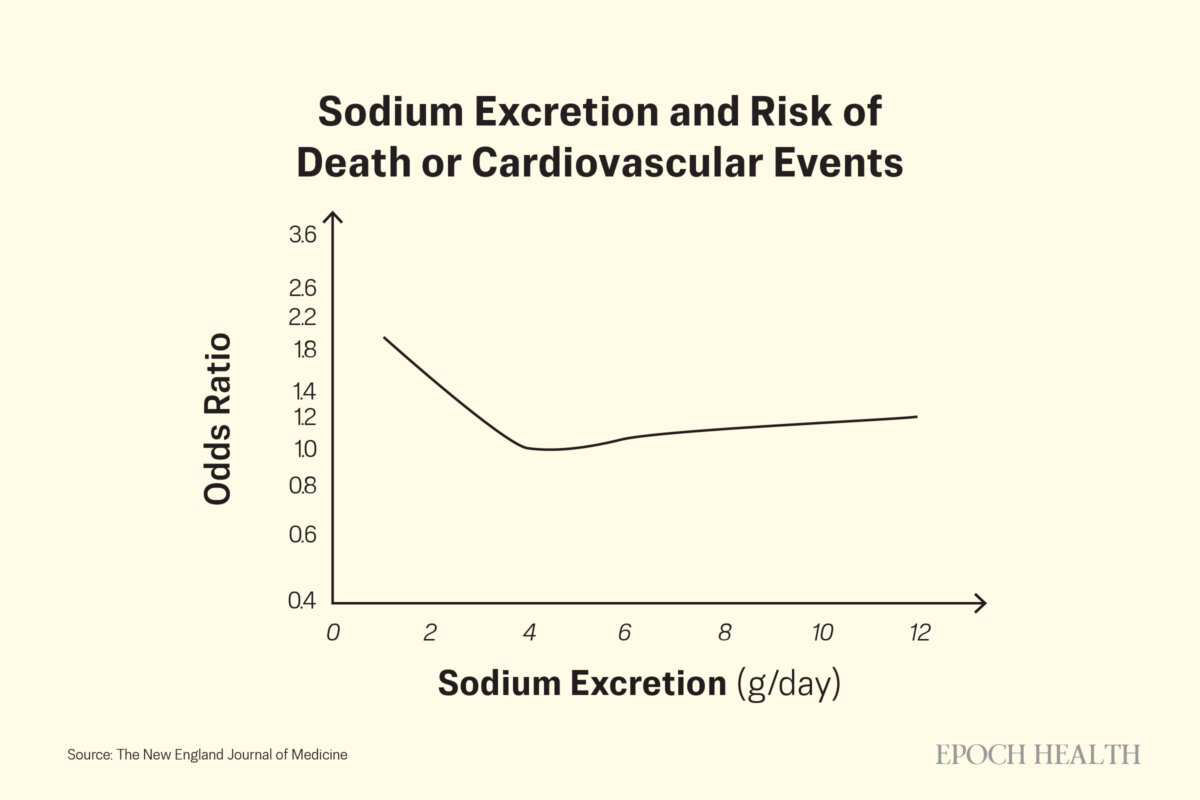
A prospective cohort study published in The New England Journal of Medicine followed more than 100,000 participants from 17 countries over an average of 3.7 years. The researchers identified a J-shaped association between sodium excretion and the risk of death or cardiovascular events—indicating that both excessively high and excessively low sodium intake may increase health risks.
Based on estimated sodium intake derived from urinary sodium excretion, the study found that a daily sodium intake of 3 to 6 grams (equivalent to 7.5 to 15 grams of salt) was associated with the lowest health risk.
This suggests that moderation, rather than extreme restriction, may offer the greatest overall benefit.
Optimal salt intake can also vary depending on factors such as constitution, physical activity, climate, and overall health. For example, people who sweat heavily—including athletes, outdoor laborers, or people living in hot climates—may require additional salt to replace sodium lost through perspiration.
In short, salt is neither an enemy nor a free-for-all: the healthiest path lies in adjusting intake thoughtfully, based on personal needs and circumstances.
How to Tell If You’re Not Getting Enough Salt
The following symptoms may be linked to long-term insufficient salt intake:
- Frequent dizziness, fatigue, cold hands and feet, or muscle cramps
- Recurrent swelling, dry mouth, dry or itchy skin, or hair loss
- Reduced libido, decreased fertility, or irregular fluctuations in blood pressure
If these symptoms improve noticeably after increasing salt intake, it may suggest that the body was previously low in sodium.
For people uncertain about their salt intake, a serum sodium test at a medical facility can help determine whether their levels are within a healthy range. If the results show low sodium, moderately increasing salt intake and adjusting the diet can help restore electrolyte balance and support overall health.
Salt is not a toxin—the key lies in moderation. From the perspectives of both TCM and conventional medicine, salt plays an essential role in maintaining the body’s functional balance.
Rather than blindly following the low-salt trend, it is important to adjust salt intake according to individual constitution and health status. Eating natural salt in appropriate amounts helps support longevity and overall well-being.
Views expressed in this article are the opinions of the author and do not necessarily reflect the views of The Epoch Times. Epoch Health welcomes professional discussion and friendly debate. To submit an opinion piece, please follow these guidelines and submit through our form here.