



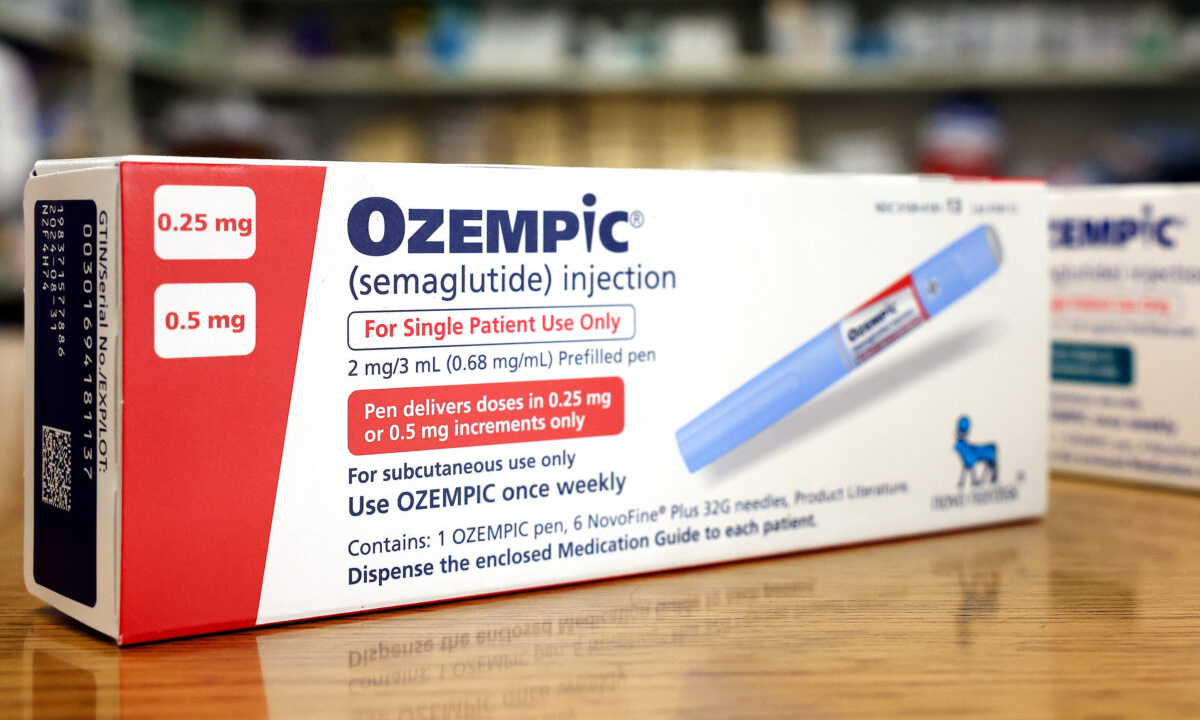
UK authorities cautioned people to be alert against fake Ozempic being distributed in the market following the hospitalization of some individuals who used the products.
The UK’s Medicines and Healthcare products Regulatory Agency (MHRA) is “warning the public not to buy pre-filled pens claiming to contain Ozempic (semaglutide) or Saxenda (liraglutide) but to consult a healthcare professional qualified to prescribe medicines and obtain a prescription.” The agency “received reports of a very small number of people who have been hospitalized after using potentially fake weight-loss pens.”
“Serious side effects reported of those hospitalized, including hypoglycaemic shock and coma, indicate that the pens may contain insulin rather than semaglutide.” Hypoglycemia occurs when the blood sugar level is abnormally low.
Both semaglutide and liraglutide are prescription-only medicines and are not licensed for sale to the general public. “Buying prescription-only medicines online without a prescription poses a direct danger to health,” MHRA said.
Since January 2023, the agency has seized 369 potentially fake Ozempic pens in the country. MHRA warned that the contents of the medicine bought outside the legal supply chain may not match the ingredients mentioned on the label.
In the UK, Ozempic has been authorized for the treatment of type 2 diabetes. Though it is not authorized as a weight-loss treatment in the country, the drug is “commonly used off-label for that purpose,” the MHRA stated.
“We are advising all members of the public not to use any pre-filled weight loss pens they may have bought online and instead to report it to us so that we can investigate and take any necessary action,” said Dr Alison Cave, MHRA Chief Safety Officer.
Those who have bought Ozempic and suspect it is not genuine can report to MHRA’s “Yellow Card” site, which collects information about suspected side effects of medications and falsified drugs.
Professor Paul Gately, CEO of Obesity UK, a charity dedicated to supporting people living with obesity, said that the organization is “very concerned to hear reports that people living with obesity are falling victim to criminals who are obtaining and selling fake weight loss medication.”
Multiple nations have issued warnings about fake Ozempic pens. On Oct. 23, Austria’s Federal Office for Safety in Health Care (BASG) said that “several patients had to be treated in hospital after using suspected counterfeit Ozempic.”
Earlier on Oct. 11, Germany’s Federal Institute for Drugs and Medical Devices (BfArM) said that fake Ozempic products were discovered at the wholesale level in packs with a strength of 1 milligram.
On Oct. 18, the European Medicines Agency (EMA) issued an alert about fake Ozempic pens identified at wholesalers in the European Union and the United Kingdom. The issue is under investigation by the EU medicines regulatory authorities and the police.
Supply Shortages
In its warning, BASG said that criminals were releasing fake Ozempic in the market to take advantage of a shortage in supply. Due to Ozempic’s popularity as a weight loss medication, demand for the product has grown, creating a supply gap.
The U.S. Food and Drug Administration (FDA) lists two dosages of Ozempic as “currently available” while one dosage is tagged as having “limited availability through the end of 2023.”
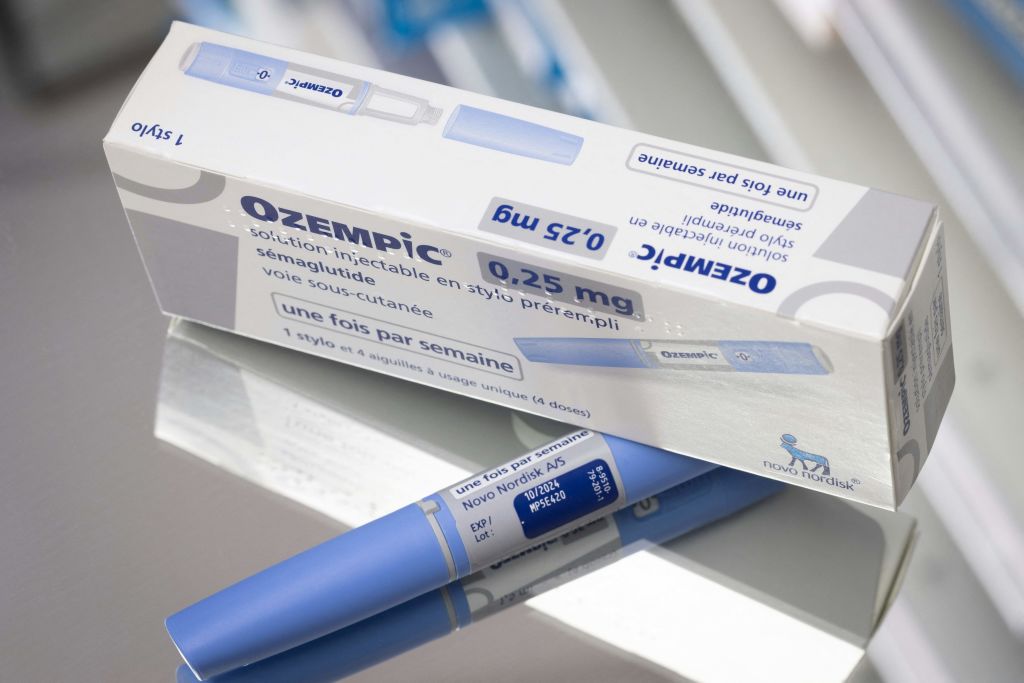
According to the American Society of Health-System Pharmacists (ASHP), Ozempic manufacturer Novo Nordisk has cited “increased demand” as a reason for the shortage.
Novo Nordisk’s Wegovy, a semaglutide drug that is specifically targeted for weight loss, is also in short supply. The company had earlier limited the supply as it was unable to meet the soaring demand and chose to provide the drug to a limited number of patients.
The Danish drugmaker is expected to announce its third quarter results next week, with investors hoping Novo Nordisk would also reveal when it plans to remove the supply limit on Wegovy. Back in August, the company had said that limits could extend into 2024.
A shortage in the supply of Wegovy can also create a shortage in Ozempic. Wegovy customers may switch to Ozempic to keep their weight loss treatment ongoing, which would raise Ozempic demand and eventually constrain its availability.
Ozempic in the US
In the United States, Ozempic has been approved by the FDA for treating type 2 diabetes. The agency has not approved it for weight loss.
According to a survey by digital healthcare firm Tebra, 15 percent of Americans have taken Ozempic for weight loss. While 18 percent of medical practitioners have prescribed Ozempic for weight loss, 42 percent have had non-diabetic patients asking for a prescription of the drug.
The official Ozempic website warns that the drug can cause “serious side effects,” including inflammation in the pancreas, low blood sugar, changes in vision, serious allergic reactions, kidney issues, and gallbladder problems.
It advised users to inform their healthcare provider in case they develop a lump or swelling in their neck, have trouble swallowing, or suffer shortness of breath, as these may be symptoms of thyroid cancer.
Recently, the family of a man who committed suicide after taking Ozempic blamed the medication for the tragedy.
Kate Hanna, Director of Communications at Novo Nordisk, said that safety data collected from trials “have not demonstrated a causal association between semaglutide or liraglutide and suicidal and self-harming thought.”