



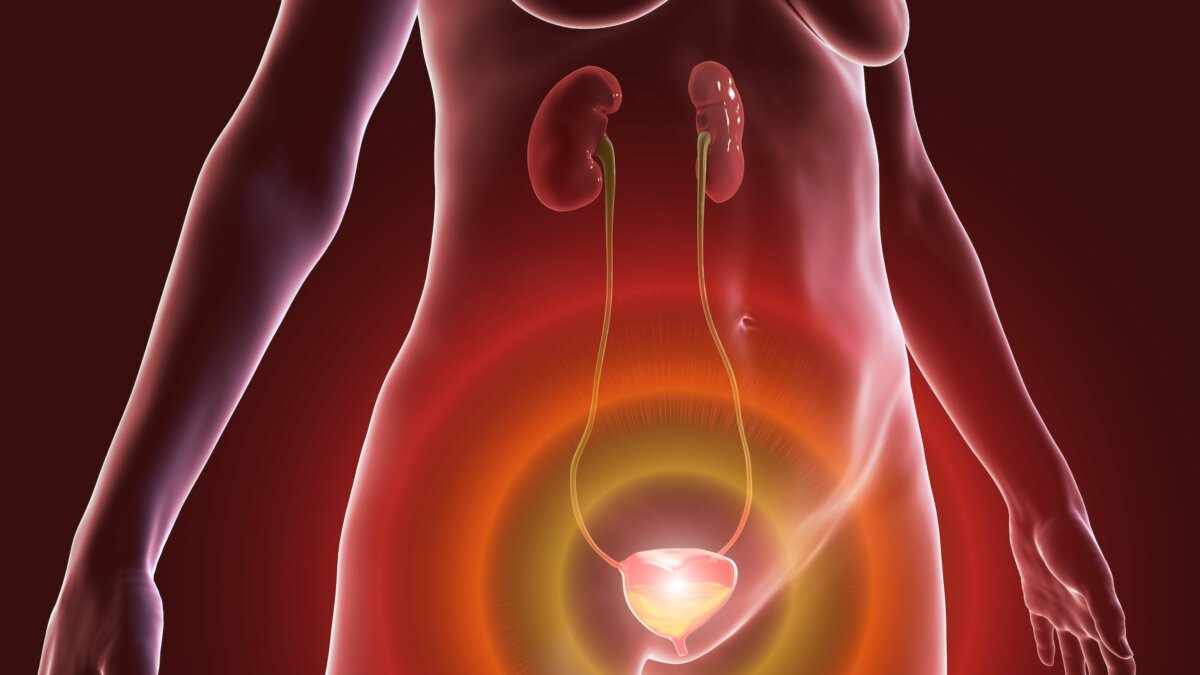
A UK study has introduced a new approach to preventing urinary tract infections (UTIs), revealing that a twice-daily dose of a pineapple-flavored vaccine, MV140, taken under the tongue for three months, could ward off UTIs for up to nine years in many cases.
While the findings introduce a new method for managing recurrent UTIs, the debate continues over the need for a vaccine, given the range of existing treatments for this common health issue.
MV140: New Vaccine Challenges UTI Treatment Norm
Urinary tract infections, the most common bacterial infections globally, affect more than half of women and a considerable number of men. They are responsible for over 8 million physician visits annually in the United States, incurring costs of approximately $1.6 billion.
UTIs develop when bacteria invade the urinary tract, leading to inflammation in the urethra, bladder, or kidneys. Antibiotics are the standard initial treatment, but the increasing prevalence of antibiotic-resistant strains complicates management.
The MV140 vaccine, also known as Uromune®, is proposed as a viable preventative measure for recurrent UTIs, as revealed by a nine-year study showcased at the European Association of Urology Congress in France last week. Full publication of the study’s results is expected by the end of 2024.
Led by Dr. Bob Yang and his colleagues at the Royal Berkshire NHS Foundation Trust, the study monitored 89 individuals with recurrent UTIs. For three months, participants received two daily under-the-tongue sprays of a pineapple-flavored solution.
“A spray under the tongue is mentally more tolerable to patients,” Dr. Sagar Kanabar, urology resident and study co-author, explained to The Epoch Times. The MV140 vaccine’s sublingual administration is key for activating immune cells at mucous membrane sites, known as MALT, in the body. This activation under the tongue triggers a ripple effect, enhancing immunity at various locations, including the urinary tract.
Findings indicate that 54 percent of participants remained UTI-free for nine years post-vaccination, experiencing minimal adverse effects. “Less than 3 percent of participants experienced side effects,” noted Dr. Kanabar, identifying fatigue, general discomfort, and muscle aches as the primary symptoms, all of which were temporary and resolved on their own. On average, women avoided infections for three and a half years and men for four and a half years.
“Before having the vaccine, all our participants suffered with recurrent UTIs, and for many women, these can be difficult to treat,” Dr. Yang noted in a press release. “Overall, this vaccine is safe in the long term, and our participants reported having fewer, less severe UTIs. Many of those who did get a UTI told us that simply drinking plenty of water was enough to treat it.”
Spain’s Immunotek developed MV140, which contains inactive strains of the four primary bacteria that cause UTIs. The vaccine prepares the immune system to combat infections by producing antibodies and anti-inflammatory responses. Because it is administered sublingually, MV140 bypasses the digestive tract, which may enhance its efficacy in strengthening immunity to UTIs.
Building upon Dr. Yang’s 2017 research, this study delves deeper into the efficacy of Uromune. Preliminary outcomes revealed a significant 78 percent reduction in UTI occurrences among women within one year.
Dr. Kanabar discussed advancing MV140 vaccine research to address more challenging medical conditions, focusing on patients with spinal cord issues who commonly face bladder-related health risks. “The next step would be to see if we have the same positive outcomes in complex patients,” he stated, indicating that treatments for spinal cord patients are slated to begin shortly.
Subsequent studies have consistently affirmed MV140’s effectiveness in combating UTIs. A 2024 study in North America observed the vaccine significantly reduced recurrent UTI rates in women, with a 40 percent rate of being UTI-free over nine months and a 75 percent decrease in total UTI instances compared to the year before vaccination.
“We and others have shown the beneficial impact of a novel sublingually applied vaccine, MV140, on reducing the rate of recurrent UTIs in women suffering from the condition and have concluded that the vaccine is safe and effective for up to at least a year.” Dr. Curtis Nickel, a preeminent urologist, and the North American study’s lead investigator told The Epoch Times. “This welcome follow-up of patients in the UK who took the vaccine in a study years ago demonstrates the long-term benefits over many years in reducing UTI risk and even severity of any future UTI.”
In the United States the vaccine costs roughly $630. Dr. Kanabar notes that this cost is significantly lower than that of repeated antibiotic treatments and doctor visits. He also highlights the vaccine’s potential to alleviate pressure on the overburdened health care system.
MV140 is available across Europe, the UK, Australia, and New Zealand through special access programs tailored for patients with antibiotic-resistant conditions. The vaccine has been approved in the Dominican Republic and Mexico, and Canada is reviewing it for potential conditional approval. It is not currently available in the United States.
UTI Overdiagnosis and Overtreatment
Urinary tract infections are notoriously uncomfortable, marked by a frequent urge to urinate, a burning sensation during urination, and pelvic pain. Untreated, they may escalate to kidney or prostate infections or, in severe cases, systemic infections, potentially resulting in death. “UTIs are responsible for four out of every 100 deaths among older adults, and this rate increases to one in 10 for individuals over the age of 95,” Dr. Kanabar explains. UTIs can markedly interfere with the day-to-day activities of those affected.
Nonetheless, recent studies indicate that UTIs might be often overdiagnosed and excessively treated, especially with antibiotics as the primary recourse for swift relief. According to one study, 28 percent of patients prescribed antibiotics for a UTI exhibited no symptoms.
The Infectious Diseases Society of America clarifies that the presence of bacteria in urine without symptoms—known as asymptomatic bacteriuria—is common and typically doesn’t lead to serious health issues. Importantly, treating this condition doesn’t reduce the chances of developing UTIs with symptoms. Yet, it is often incorrectly diagnosed as a UTI, resulting in unwarranted treatment.
Antibiotic Overuse
Antibiotics have traditionally been the primary treatment for UTIs, frequently administered even before lab tests confirm a bacterial infection. This quick-fix approach can alleviate symptoms but has contributed to a broader public health concern: antibiotic resistance. The overuse of antibiotics has led to the emergence of drug-resistant bacteria, making some UTIs harder to treat and increasing the risk of complications.
While antibiotics are effective in eliminating harmful bacteria, they are a double-edged sword due to their potential toxicity and side effects. Concerns extend to long-term impacts on musculoskeletal, cardiovascular, and psychological health, particularly with certain classes like fluoroquinolones.
Researchers regard the MV140 vaccine as a potential “game-changer” in the control of recurrent UTIs. By offering a preventive option, the vaccine may substantially decrease dependency on antibiotics for treatment, addressing not just the issue of overdiagnosis and overtreatment but also aiding in the broader battle against antibiotic resistance.
“Antibiotics for women suffering from recurrent urinary tract infections have harmful consequences for patients (side effects, impact on healthy microbiome) and society (emergence of antibiotic-resistant bacteria),” Dr. Nickel told The Epoch Times.
Questions Over Efficacy, Safety, and Recurrence Rates
The widespread adoption of the vaccine, especially as a means to decrease antibiotic reliance and combat antibiotic resistance, carries significant implications. Although the vaccine marks progress, it also prompts a broader discussion on the necessity and efficacy of vaccinating against a treatable, albeit pervasive, condition.
Even though the MV140 vaccine has shown a low rate of side effects, the lack of studies on its long-term impacts creates uncertainty regarding its prolonged efficacy and safety. Furthermore, a significant portion of patients have reported UTI recurrences post-vaccination. The research suggests that, on average, women were UTI-free for just three and half years after vaccination, with some reporting earlier recurrences.
Forty percent of the study participants received a booster dose within the first two years, Dr. Kanabar notes, explaining that some sought additional doses either because their infections returned or out of concern for potential relapse. “Unfortunately, MV140 does not appear to be a single-dose treatment for all patients, unlike vaccines for other diseases—for this reason, some patients have undergone top-up doses, and this is a cohort we are looking into further as well,” he stated.
Beyond Vaccination and Medication
Concern remains about the exclusive dependence on vaccines and medications for UTI prevention and treatment, particularly with the looming issue of antibiotic resistance and medication overuse. As the medical community seeks to balance treatment efficacy with long-term health outcomes, exploring natural prevention and treatment methods becomes increasingly relevant.
Potential Natural Approaches to Preventing and Treating UTIs Include:
- Hydration: Adequate fluid intake is crucial for expelling bacteria from the urinary tract, preventing infection onset. Drinking water regularly speeds up the expulsion of bacteria from the bladder and dilutes the urine, hindering bacterial growth.
- Diet Modification: A diet low in sugar and processed foods is vital for preventing UTI recurrence. These foods can nurture harmful bacteria. Focusing on fresh, unprocessed foods supports a healthy microbiome and urinary health.
- Cranberry: Cranberry juice, extracts, or supplements are effective in preventing UTIs. Opt for unsweetened cranberry juice that is not from concentrate for its anti-E. coli properties.
- Probiotics: To counteract harmful bacterial overgrowth, consuming probiotics from lacto-fermented foods or acid-resistant supplements is beneficial for urinary tract health.
- Garlic: Its antimicrobial qualities allow garlic to combat various bacteria and fungi, including Candida. Raw, freshly chopped garlic is most effective after resting for a few minutes to activate its allicin content.
- D-Mannose: This natural sugar rivals some antibiotics in preventing recurrent UTIs and is available as a supplement or in certain fruits like cranberries and peaches.
- Vitamin C: Vitamin C-rich foods such as oranges, kale, and peppers can help prevent UTIs by enhancing the immune system and curbing E. coli growth.
- Oil of Oregano: Its antioxidant-rich and antimicrobial properties make oil of oregano a natural antibiotic alternative, avoiding the risk of antibiotic resistance.
For some individuals, the vaccine may present a practical option, yet others might find antibiotics necessary to manage UTIs. Nevertheless, a significant number could discover that natural remedies offer similar protection without unwanted side effects, establishing a balance between conventional medical treatments and holistic wellness strategies.