



The Virginia Department of Health (VDH) has announced a statewide outbreak of Meningococcal disease, with recorded infection numbers triple the normal level.
Meningococcal disease is caused by the bacteria “Neisseria meningitidis type Y” and can result in infections of the brain lining, spinal cord, and bloodstream. The disease can be severe and even result in death. Twenty-seven cases of the “rare but serious” meningococcal disease have been reported in eastern, central, and southwest Virginia since June 2022, the VDH said in an Aug. 30 blog post.
“This development is three times the expected number of cases during this time period. Most cases are residents of eastern Virginia, where a regional outbreak was first announced in September 2022.”
“Five patients have died from complications associated with this disease. The strain associated with this outbreak is known to be circulating more widely in the United States. Risk to Virginia’s population is low.”
Even though VDH has not identified a common risk factor for the current spread, testing has confirmed that incidents are “highly genetically related.” Most of the patients were black adults in the age group of 30 to 60 years.
Out of the 27 cases of meningococcal disease identified by VDH, 26 were found among people who were not vaccinated against Neisseria meningitidis type Y.
During a 2023 Immunization Coalition Meningococcal Webinar, Professor Robert Booy, an infectious diseases expert at the University of Sydney, Australia, suggested that COVID-19 restriction measures could be responsible for the rising number of meningococcal cases.
Mr. Booy pointed out that measures like social distancing, masks, and handwashing prevented infections like meningococcal. And because of less contact, “we incurred an immune debt; we weren’t exposed to all sorts of infections.”
“Now immune systems lost some of their memory, or they never gained that memory … So now, we’re having to repay that debt, and we’re getting a lot more infection in 2023.”
According to the VDH, most of the cases of meningococcal disease were recorded in the eastern United States, where 20 out of the 27 infections were identified. The Southwest recorded five cases and the central United States recorded two. No infections have been reported from the northern or northwest United States.
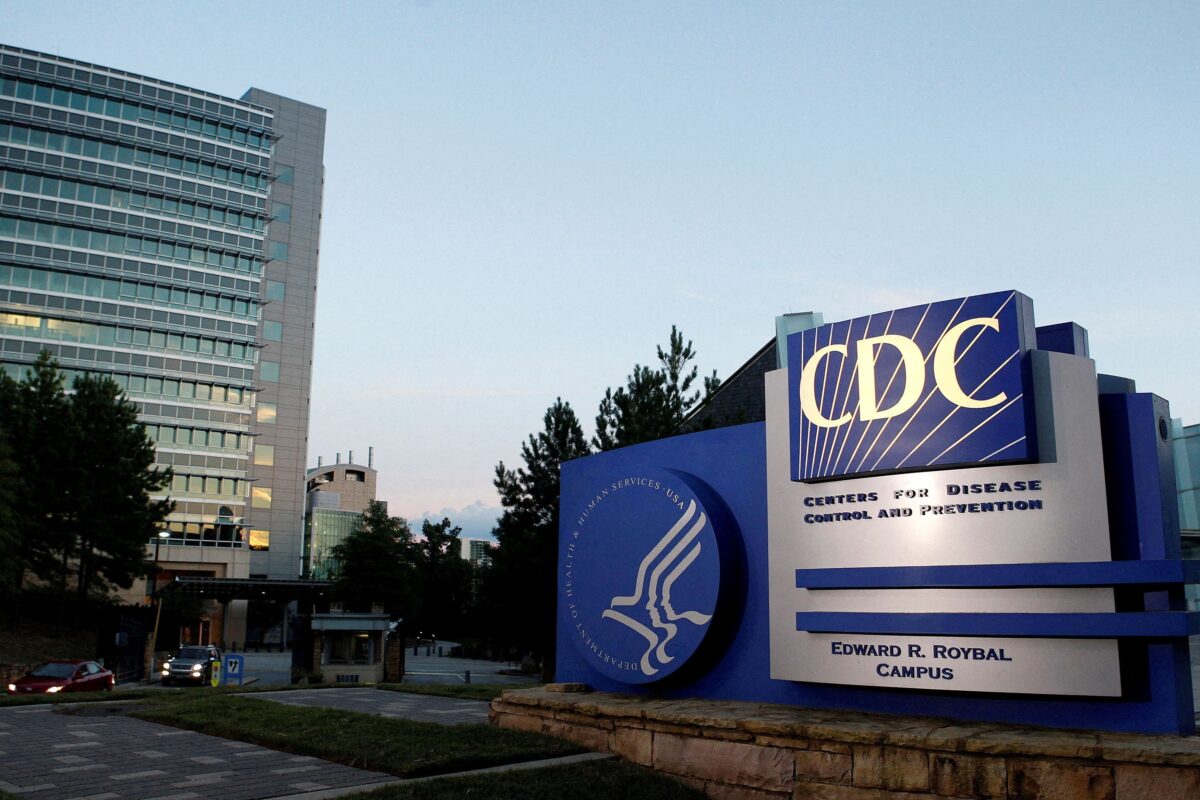
“People spread meningococcal bacteria to other people by sharing respiratory and throat secretions (saliva or spit). Generally, it takes close (for example, coughing or kissing) or lengthy contact to spread these bacteria,” the CDC stated.
“Fortunately, they are not as contagious as germs that cause the common cold or the flu. People do not catch the bacteria through casual contact or by breathing air where someone with meningococcal disease has been.”
The agency points out that people who are in constant contact with an infected individual, like those living in the same household and roommates, are at “increased risk” of getting sick.
Most of meningitis infections are caused by six types of Neisseria meningitidis—A, B, C, W, X, and Y. In the United States, it is the B, C, and Y types that are responsible for most of the illnesses.
The Illness
The bacteria that causes meningococcal disease is present in around 1 in 10 people in the back of their nose and throat.
The highest rate of meningococcal disease in America is among infants younger than a year old, teens and young adults between the ages of 16 and 23, and adults aged 65 and above.
Certain medical conditions can weaken the immune system, thus putting some individuals at higher risk of contracting meningococcal disease. This includes HIV, functional and anatomic asplenia, and persistent complement component deficiencies which refer to disorders of the ‘complement system’ that helps the body fight off infections.
Asplenia means an absence of a spleen, a small organ inside the left rib cage that produces white blood cells and protects the body from infections.
The most common symptoms of meningococcal disease are fever, headache, and stiff neck. Additional symptoms can include nausea, vomiting, altered mental status or confusion, and photophobia or higher eye sensitivity to the light.
According to the World Health Organization (WHO), meningitis can be caused by other organisms like viruses, fungi, and parasites. However, bacterial meningitis is of “particular concern”.
The CDC estimates that 10 to 15 people out of 100 infected individuals will die even with antibiotic treatment. Up to 1-in-5 survivors are expected to have long-term disabilities like deafness, loss of limbs, brain damage, and nervous system problems.
Vaccination, Treatment
There are two types of vaccines used in the United States for meningococcal—MenACWY vaccines and MenB vaccines.
“These vaccines help protect against all three serogroups (B, C, and Y) of Neisseria meningitidis bacteria most commonly seen in the United States,” the CDC states.
However, “meningococcal vaccines are not 100 percent effective. This means there is still a chance someone can develop meningococcal disease after vaccination.”
CDC recommends all 11- to 12-year-olds to get a MenACWY vaccine, with a booster shot at 16 years. Teenagers can also get a MenB vaccine from 16 through 18 years.
Infants between the ages of 2 months and 10 years can get a MenACWY vaccine if they have issues like complement component deficiency, HIV, damaged spleen, or are part of a population identified as being at increased risk of certain types of meningococcal disease outbreaks.
Some individuals cannot take the vaccines, including children who suffer from a life-threatening allergic condition, pregnant or breastfeeding women, and people who have a mild illness like a cold.
Doctors usually treat meningococcal disease through various antibiotics. The CDC warns—“it is important that treatment start as soon as possible.”
“If a doctor suspects meningococcal disease, they will give the person antibiotics right away. Antibiotics help reduce the risk of dying.”
Depending on how severe the infection is, individuals with meningococcal disease may require other treatments like medications to treat low blood pressure, surgery to remove dead tissue and breathing support.