

Commentary
The Russia–Ukraine war has reached another milestone: North Korea’s elite troops recently clashed with Ukrainian forces for the first time.
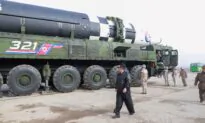
Between 10,000 and 12,000 North Korean soldiers, known as the infamous “Storm Corps,” are stationed near the Russia–Ukraine border, engaging in combat support against Ukraine. This development not only intensifies the conflict, but also brings it closer to becoming a multinational war.
For Russia, bringing in North Korean troops offers timely support amid shortages of frontline soldiers. North Korea’s struggling economy needs the millions of dollars, oil, and food promised in return for sending troops. With a standing army of 1.2 million soldiers out of a population of roughly 26 million, sustaining the military is a huge burden.
But this alliance raises the stakes considerably: Other countries, such as Iran, Syria, and even Poland, might be drawn in. Consequently, the current regional war could escalate into a much larger global conflict.
Is history somewhat repeating itself?
The Cold War began in large part with the Korean War, when China, the Soviet Union, and North Korea united against Western powers. Now, the same three players have united, albeit with switched roles.
Previously, the war took place on the Korean peninsula. The Chinese Communist Party (CCP) sent troops to North Korea while relying on weapons and military training from Russia. This time around, in the current Ukraine war, North Korea has taken on a role similar to that of China, while China is supporting Russia economically and militarily from behind the scenes.
Still, China might send military observers or advisers to maintain its influence without overtly escalating its involvement. Recent high-level meetings between Chinese leader Xi Jinping and Russian President Vladimir Putin suggest discussions about strengthening military ties, but concrete actions have yet to materialize.
Meanwhile, the United States has urged China to leverage its influence to curb North Korean activities in Russia, but Beijing has yet to respond officially.
As the conflict intensifies, the international community faces a complex challenge. North Korea’s involvement adds a volatile element to an already tense situation. The lessons of the past remind us that unchecked escalation can lead to widespread consequences.
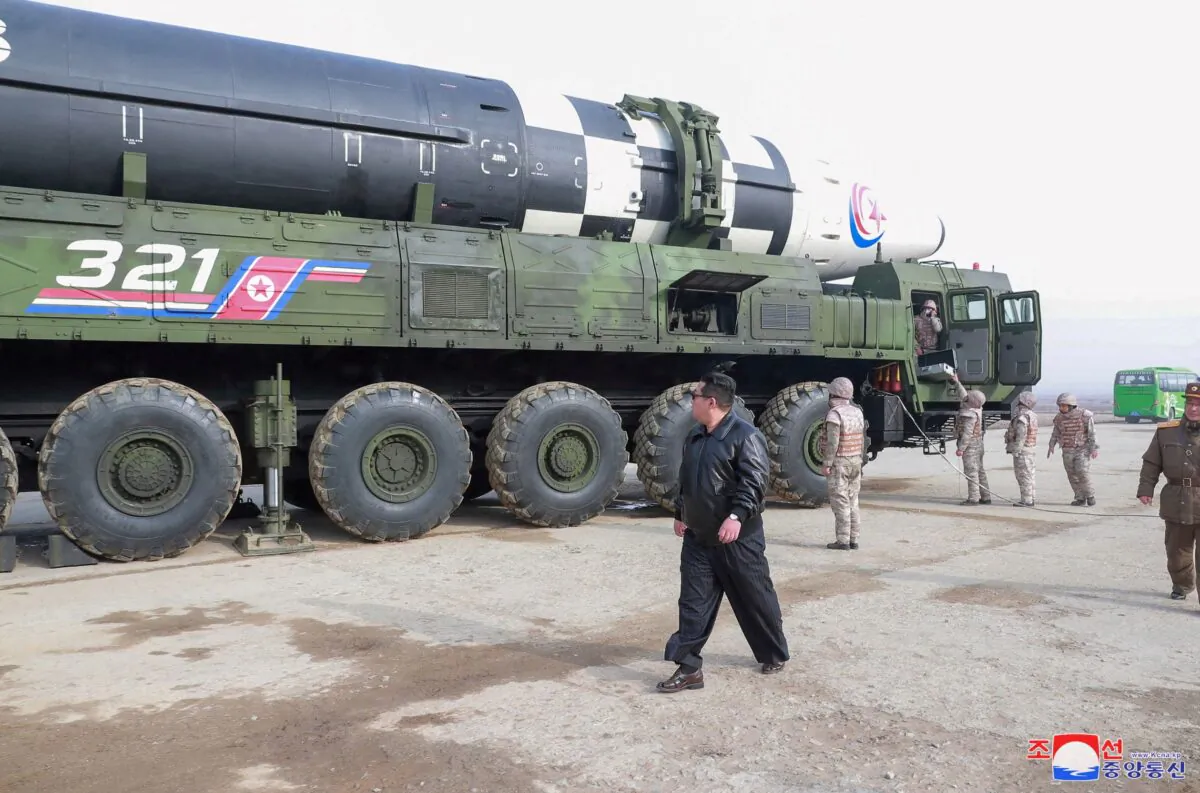
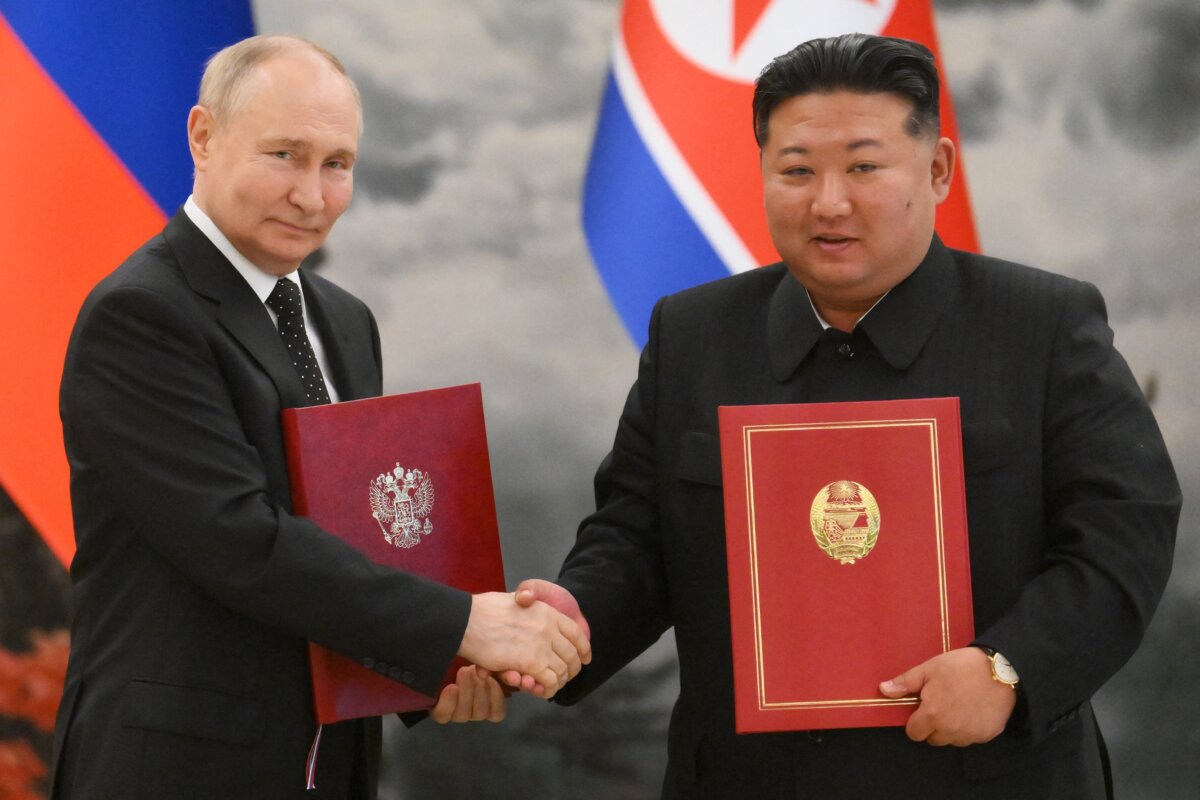
In February, North Korea pledged to send engineering units to assist Russia. However, after signing a mutual defense treaty in June, North Korean leader Kim Jong Un opted to deploy his elite special forces instead. The Storm Corps is known as North Korea’s most formidable special forces unit. Their presence could pose a significant new challenge for Ukrainian forces, which are already stretched thin.
The Storm Corps, estimated to have between 40,000 and 80,000 soldiers, was created based on Pyongyang’s 124th Special Forces Unit. The corps has a history of taking on high-risk missions, such as the 1968 assassination attempt on South Korean President Park Chung-hee.
In that mission, 31 North Korean commandos crossed the Demilitarized Zone into South Korea, nearly reaching the presidential residence before being intercepted. The ensuing firefight resulted in numerous casualties among South Korean police, civilians, and military. South Korean forces killed and captured most of the infiltrators, except one who managed to return to North Korea.
The incident escalated tensions on the Korean Peninsula, as the North and the South remain technically at war under an armistice agreement.
North Korea celebrated the raid as a heroic act, and the special forces unit became a model for future military units.
While these troops are said to be highly trained, they lack modern combat experience, not having seen real warfare in more than 70 years. Their outdated Soviet-era weaponry may not match the advanced technology used in today’s conflicts.
Reports as of early November indicate that the majority of these elite fighters are still undergoing training with Russian forces. Most of them—believed to be in their teens or early 20s—have trained only in North Korea’s rugged terrain and lack experience on Ukraine’s vast, flat battlefields.
We will soon find out how well North Korean troops can fight in a real war.
Views expressed in this article are the opinions of the author and do not necessarily reflect the views of The Epoch Times.
 Friends Read Free
Copy
Facebook
Tweet
Friends Read Free
Copy
Facebook
Tweet