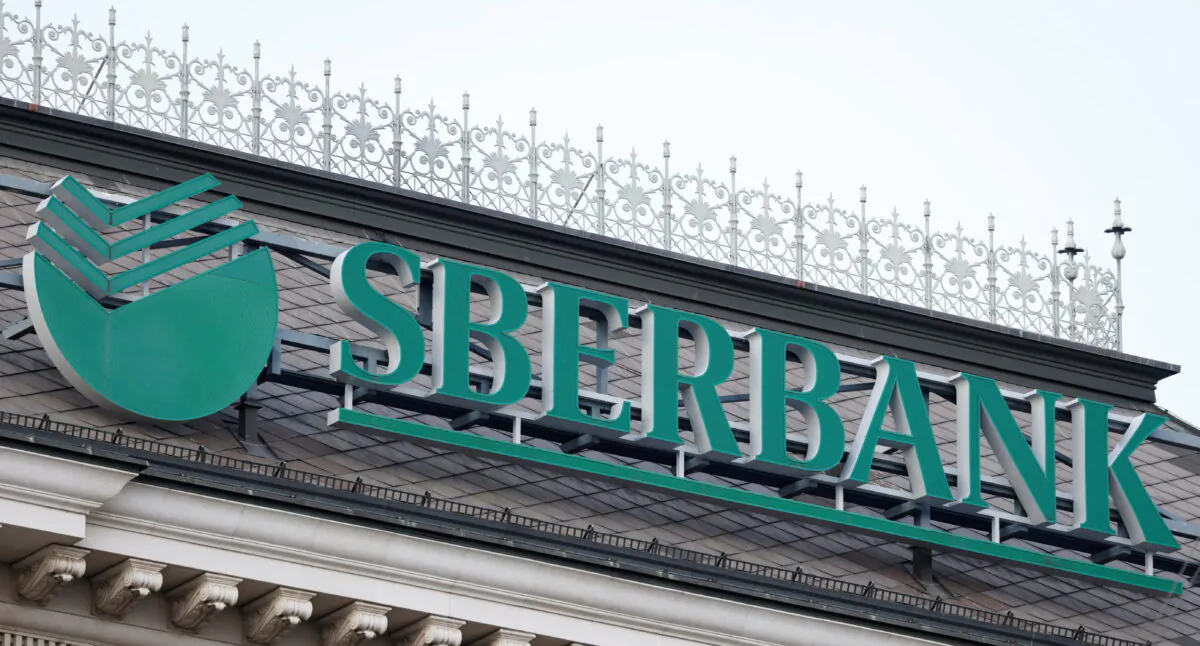

The United States has lifted sanctions on Alexandra Buriko, the former chief financial officer of Russia’s state-owned Sberbank, after her resignation in 2022 and demonstration that she no longer poses a threat as it pertains to Russia’s war in Ukraine, the Treasury Department said.
Buriko was initially sanctioned in a May 2022 action that labeled her among “individuals and entities critical to Russia’s ability to wage war against Ukraine.” She resigned just days after the bank’s sanctioning in April 2022, as the full-scale invasion of Ukraine in February wore on.
A U.S. official said Buriko has left Sberbank and shown that the circumstances resulting in the sanctions by the Office of Foreign Assets Control are no longer valid.
“This removal was done as part of Treasury’s normal administrative process in response to a petition request for reconsideration,” the official said. “The power of OFAC sanctions derive not only from the ability to designate individuals, but also from its willingness to remove sanctions consistent with the law.”
Buriko filed a lawsuit in Washington federal court against the Treasury in December 2024, which remains pending. She contends her swift severance from Sberbank rendered her ongoing listing unlawful. Court filings this year highlighted ongoing negotiations between Buriko and the U.S. government.
Sberbank, a Russian majority state-owned banking and financial services company based in Moscow, encountered U.S. penalties in 2022 as the West sought to isolate Moscow economically. The bank faced restrictions on foreign exchange transfers and international operations.
For instance, Sberbank reported limitations on foreign exchange transfers beginning March 2022, restricting currencies for domestic and international markets.
“Due to sanctions, from March 18, the list of currencies available for transfers to other banks in Russia and abroad has been restricted,” Sberbank said on its Telegram channel.
Sberbank avoided initial UK sanctions, but exclusions from systems such as SWIFT posed a considerable hurdle. Chinese organizations, including UnionPay, stopped serving Russian banks, including Sberbank, over secondary sanctions concerns.
Buriko’s delisting resulted from a standard Office of Foreign Assets Control review process after her petition. The U.S. official underscored that sanctions are imposed for deterrence and removed for compliance.
In 2025, sanctions escalated against Russia. The EU imposed new penalties on Russia’s shadow fleet financiers in December, focusing on vessels evading oil price caps.
U.S. officials said oil sanctions are “starving Putin’s war machine” by cutting revenues and volumes.
Canada slapped sanctions on Russian drone programs in November, and GOP proposals have sought to sanction nations trading with Russia.
Reuters contributed to this report
 Friends Read Free
Copy
Facebook
Tweet
Friends Read Free
Copy
Facebook
Tweet