
International pressure on Israel has been mounting this week, as key Western allies move toward recognizing Palestinian statehood, citing mounting concerns over the humanitarian crisis in Gaza and the deadlock over a long-term political resolution to the conflict.
Canada on July 30 became the latest country to announce its intent to formally recognize a Palestinian state, following similar statements by Malta and the UK.
The diplomatic push is expected to culminate in September at the 80th U.N. General Assembly, where the countries, alongside France, are set to formalize their positions unless Israel meets specific conditions related to a cease-fire and humanitarian relief in Gaza.
They have also called for the demilitarization of Gaza, including the removal of Hamas from governing the enclave and the release of Israeli hostages held by the terrorist group.
Israel has rejected the European nations’ initiative, arguing that it would undermine its efforts to achieve a cease-fire in Gaza and obstruct the ongoing attempts to secure the release of hostages.
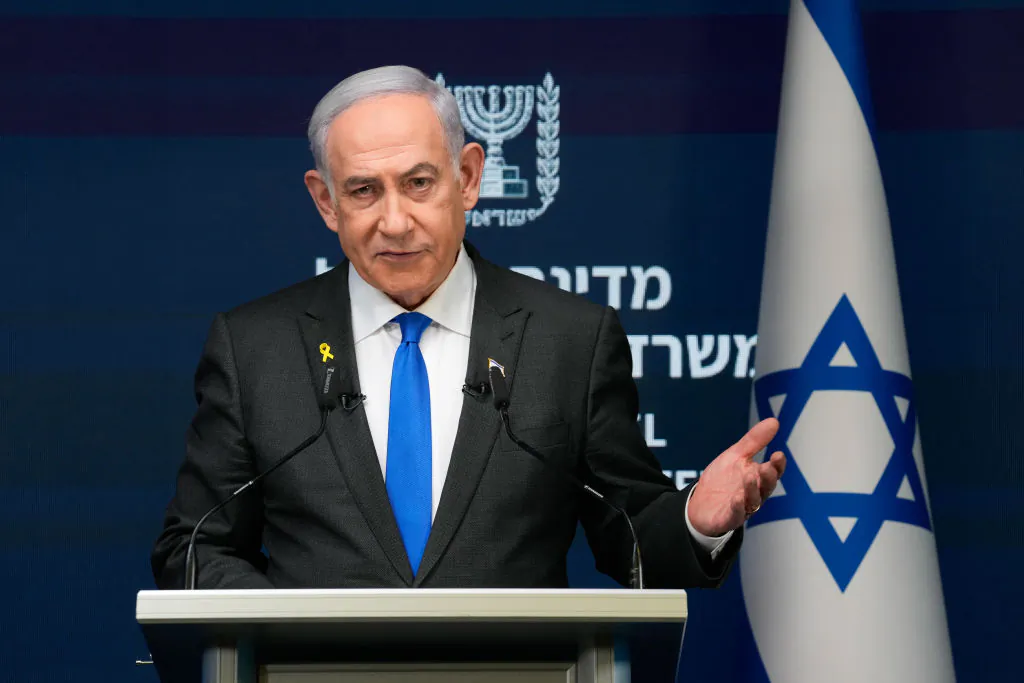
Israeli Prime Minister Benjamin Netanyahu said recognition of a Palestinian state in the current conditions would threaten the existence of Israel.
In response to the announcements by the UK and Canada, the Israeli foreign ministry said it “constitutes a reward for Hamas” and harms the prospect of peace.
Meanwhile, U.S. officials, including Secretary of State Marco Rubio, have also criticized the pressure from European nations to recognize a Palestinian state.
U.S. President Donald Trump told reporters on Air Force One on July 29 that recognizing a Palestinian state would reward Hamas.
“You’re rewarding Hamas if you do that, and I don’t think they should be rewarded. I am not in that camp,” he said.
Push for Two-State Solution
July 28 was the first day of a gathering of high-level representatives at the United Nations conference on the Israeli–Palestinian conflict.
Chaired by France and Saudi Arabia, the gathering presented broad international support for a two-state solution.
It outlined a phased plan to end the conflict, envisioning a demilitarized Palestinian state coexisting peacefully alongside Israel.
U.N. Secretary-General António Guterres condemned the Oct. 7, 2023, attack across southern Israel, in which Hamas terrorists killed about 1,200 people and took 251 hostages.
He also criticized the scale of Israel’s military response, calling for unfettered humanitarian access and the unconditional release of hostages.
According to Hamas-controlled Palestinian health authorities, more than 60,000 people, including Hamas fighters, have been killed in Gaza.
These figures could not be independently verified by The Epoch Times.
The Arab League nations, including Qatar, Saudi Arabia, and Egypt, joined calls for a two-state solution.
For the first time, the Arab League also condemned the Oct. 7, 2023, attacks and called for disarmament of Hamas, according to French Foreign Minister Jean-Nöel Barrot, as reported by French newspaper La Tribune on July 29.
The Arab League said Israel’s actions were a “continued perpetration of genocide against civilians, women, and children in the Gaza Strip.”
The United States and Israel did not take part in the U.N. gathering, while U.S. State Department spokesperson Tammy Bruce described the talks as “a publicity stunt that comes in the middle of delicate diplomatic efforts to end the conflict.”
She said the conference would “prolong the war, embolden Hamas, and reward its obstruction and undermine real-world efforts to achieve peace.”
Israel’s U.N. ambassador, Danny Danon, condemned the U.N.’s approach to the ongoing conflict, accusing it of enabling terrorism and abandoning its responsibilities.
Danon emphasized that before any discussions about the future can take place, immediate steps must be taken. He stressed the need to bring all of the hostages back and to eliminate Hamas’s ability to threaten both Israelis and Palestinians.
“First, we have to bring all the hostages back, we have to make sure Hamas is not in a position to threaten Israel and the Palestinians, and then the time will come to speak about a brighter, safer future for all of us,” Danon said.
Netherlands Adds to European Pressure
On July 29, the Netherlands barred Israeli ministers Itamar Ben-Gvir and Bezalel Smotrich from entering the country, accusing them of inciting violence in Gaza.
Dutch Prime Minister Dick Schoof said the Netherlands would also push for broader EU measures, including possible trade-related actions, to increase pressure on Israel.
Israel’s ambassador to the Netherlands, Modi Ephraim, called the move a “historic mistake,” adding that it emboldens Hamas and leads the group to its position, making a cease-fire less likely.
Humanitarian Efforts
Despite growing international pressure, Israeli officials maintain that military operations in Gaza are essential to dismantle Hamas and secure the country’s future.
Israel also dismisses allegations of a humanitarian catastrophe in Gaza, mounted by the international community and aid organizations amid intensifying calls across Europe for it to do more to alleviate the crisis.
According to the United Nations, humanitarian access to Gaza remains severely restricted, with aid convoys often obstructed or looted.
Israel has rejected accusations by U.N. officials and U.N.-backed agencies, including the Integrated Food Security Phase Classification (IPC), on July 29, of famine unfolding in Gaza.
Israel said the IPC overlooks Israeli-provided data and failed to acknowledge key improvements in aid delivery, including expanded border crossings, airdrops, field hospitals, and contributions from the private sector.
On July 30, the Coordination of Government Activities in the Territories, which operates under Israel’s military, reported that more than 200 aid trucks were collected and distributed by the U.N. and international organizations on July 29.
It added that more than 220 additional trucks had entered Gaza and were awaiting pickup, along with hundreds more still queued for U.N. distribution.
The distribution of aid follows a tactical pause in military operations in Gaza since July 27.
 Friends Read Free
Copy
Facebook
Tweet
Friends Read Free
Copy
Facebook
Tweet