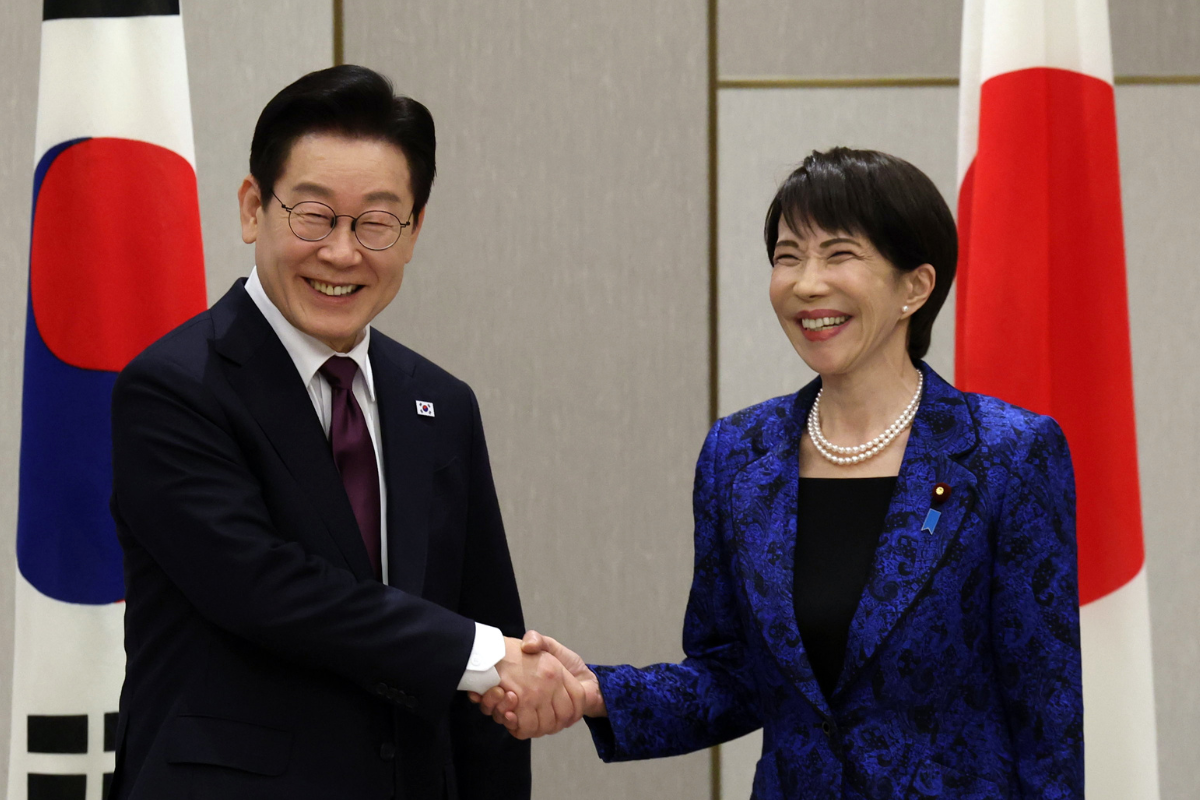

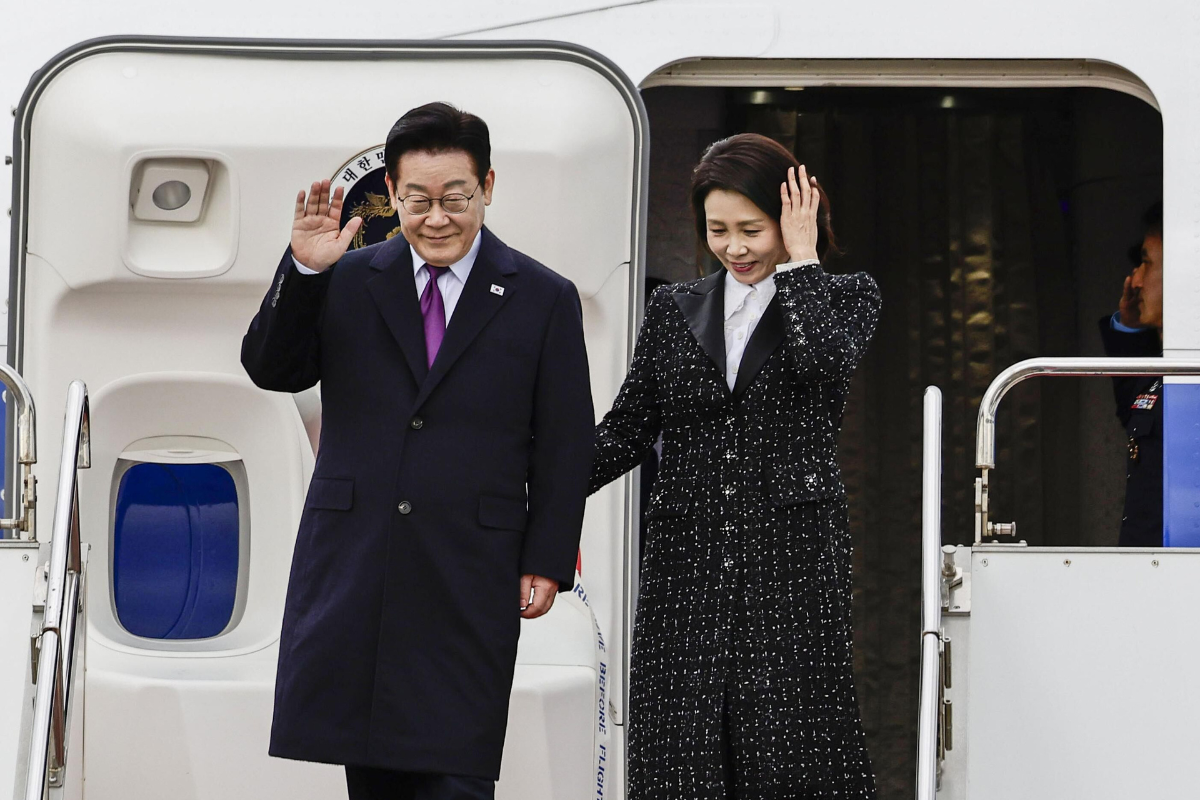
Japanese Prime Minister Sanae Takaichi and South Korean President Lee Jae Myung on Jan. 13 agreed to increase cooperation, as both countries face regional security and diplomatic challenges.
Lee is in Japan for a two-day summit and said at the outset that cooperation between Seoul and Tokyo “is now more important than ever and anything else, as we have to continue moving forward to a new, better future amid this complex, unstable international order.”
Takaichi said she had renewed her determination to improve Japan’s relationship with South Korea, “as I believe the two countries should cooperate and contribute for the stability in the region.”
“This year I will elevate Japan-South Korea relations even higher,” she said.
Takaichi is hosting Lee in Nara, the prime minister’s hometown, where they discussed supply chains, measures to tackle transnational crimes, the denuclearization of the Korean Peninsula, cooperation with their shared ally, the United States, and other issues.
Nara has been a center for cultural exchanges between Japan and South Korea for centuries, with Lee saying during the summit that the city “carries a special meaning at a time Korea-Japan exchanges are more important than ever.”
In the past century, relations between the two nations have become strained, in particular due to Japan’s colonial occupation of the Korean peninsula between 1910 and 1945. In recent years, Tokyo and Seoul have sought to address historical grievances and mend their relationship.
Both nations also have strong ties with the United States. Lee and Takaichi reaffirmed the strategic importance of their cooperation with Washington.
“The importance of Japan–South Korea relations, as well as cooperation among Japan, South Korea and the United States, continues to grow,” Takaichi said in a joint statement alongside Lee.
The summit comes as Japan faces worsening tensions with China, and as South Korea’s neighbor, North Korea, advances its nuclear program.
Tensions Increase Between Tokyo, Beijing
Relationships deteriorated between Tokyo and Beijing after Takaichi said late last year that an attack on the island nation of Taiwan would be an existential threat to Japan.
Beijing considers Taiwan its own territory, and the Chinese communist regime has not ruled out taking control of the island by force. Taipei rejects Beijing’s territorial claim.
China has demanded that Takaichi retract her remarks, which she has not done.
In the months following the Japanese prime minister’s comments, Beijing has sought to put pressure on Tokyo. This has included Beijing cautioning Chinese nationals against traveling to the country, and Chinese J-15 fighter jets locking radar on Japanese F-15s in international airspace near Okinawa, according to Japan’s Ministry of Foreign Affairs.
Recently, the Chinese communist regime announced a ban on the export of dual-use items to Japan, which are goods, software, or technologies that have both civilian and military applications. Japan condemned the move on Jan. 7.
Nuclear Korean Peninsula
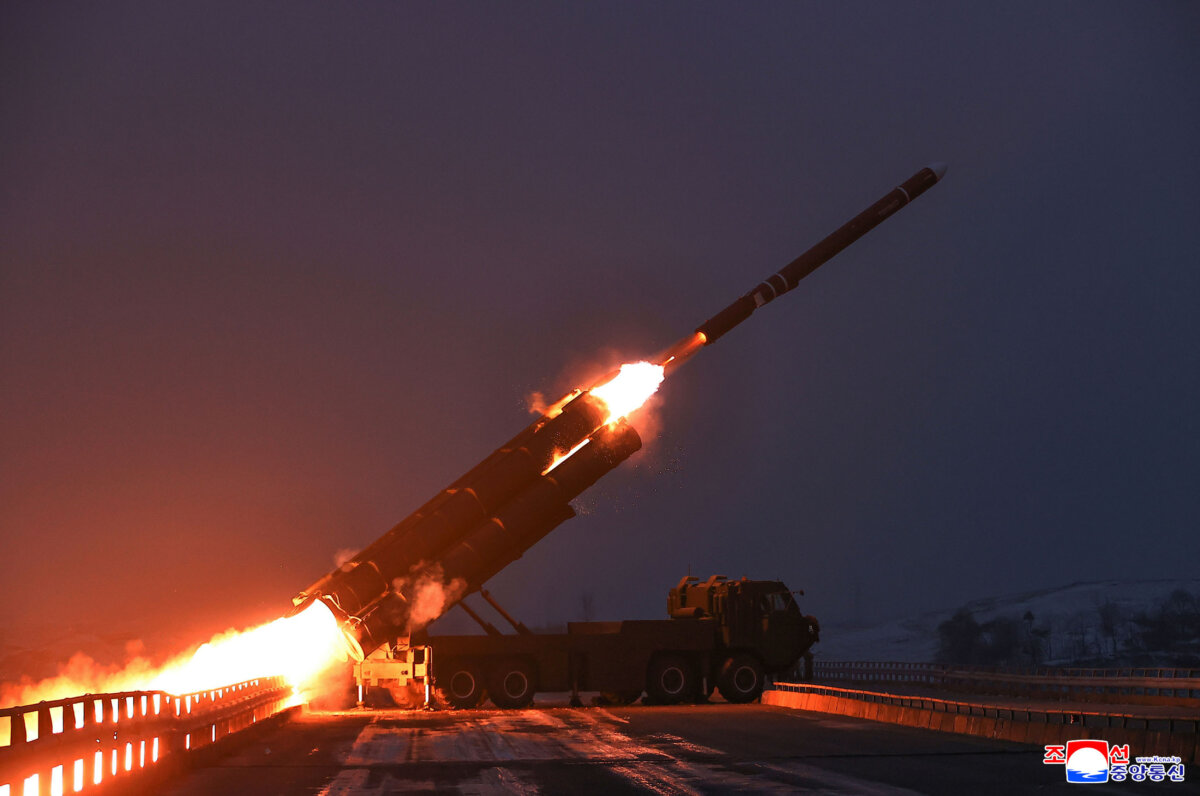
On Dec. 29, North Korea fired long-range strategic cruise missiles into the sea to test its nuclear deterrence capabilities.
Pyongyang’s missile test followed North Korean state media claiming that the regime had made progress on constructing its first nuclear-powered submarine.
Last week, Lee was in China for a four-day state visit. On Jan. 7, Lee said he asked Chinese leader Xi Jinping to act as a mediator to ease the tension between the two Koreas and resolve the North Korean nuclear crisis.
In televised comments, the South Korean president said, “We’re making efforts, but all our channels [with North Korea] are completely blocked, so we can’t communicate at all. I told him it would be good for China to play the role of a mediator for peace.”
Lee said the Chinese leader “appraised our efforts and said we need to be patient.”
Since Lee assumed the presidency in June, he has made diplomatic overtures in an effort to improve relations with North Korea, including the reinstatement of a 2018 agreement with North Korea to scale back certain military activities along the border, with Lee saying in August it would help “prevent accidental clashes between the South and the North, and build military trust.”
The Associated Press and Reuters contributed to this report.
 Friends Read Free
Copy
Facebook
Tweet
Friends Read Free
Copy
Facebook
Tweet