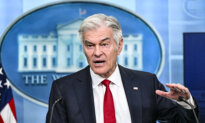
Energy Secretary Chris Wright and Interior Secretary Doug Burgum issued an identical statement on March 19 that there is “no plan” to restrict oil and natural gas exports as an emergency wartime measure to ease skyrocketing fuel costs before commercial traffic is restored in the Strait of Hormuz.
“Thanks to [President Donald Trump], the United States is the world’s top oil and natural gas producer. We are also the largest natural gas exporter and a top oil exporter,” Wright and Burgum said in the statement posted on X. “To be clear, the Trump administration has no plan to implement restrictions on oil and gas exports.”
Wright, in particular, has repeatedly been questioned and has repeatedly denied rumors that the administration is pondering an oil and gas export ban, including in a March 9 Reuters report in which he said the United States was not considering imposing restrictions on exports of U.S. energy as a way to control prices.
Congress implemented an oil and gas export ban in 1975 following the Arab oil embargo that wasn’t repealed until December 2015 as fracking technologies ushered in the “Shale Revolution,” making oil and, particularly, natural gas more accessible.
Since the United States and Israel launched Operation Epic Fury on Feb. 28, global fuel costs have increased from about $73 a barrel for West Texas Intermediate to $96 per barrel as of 6 p.m. EST on March 19.
According to AAA, the median nationwide price for a gallon of gas in the United States has increased by up to 90 cents since Feb.28, from about $2.98 a gallon to $3.88 on March 19.
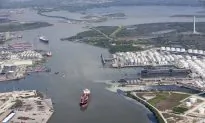
With commercial shipping traffic in the Strait of Hormuz stymied by Iranian threats to target tankers, and Iran attacking Gulf state energy infrastructure, global prices for oil, natural gas, petroleum-based derivatives such as fertilizer, diesel, and key chemicals are increasing with no end in sight.
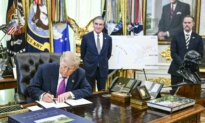
That reality has fostered persistent “chatter, rumors” that President Donald Trump will impose an oil export ban to keep domestic fuel costs in check until the war is resolved, said Mohammad Darwazah, senior Middle East analyst with London-based Medley Global Advisors, during a March 18 interview with U.S. Energy Association President/CEO Mark W. Menezes.
Such a move “could have major unintended consequences,” he warned.
“If the U.S. suddenly bans exports of crude, you have about 4 million barrels a day that would now stay within the United States,” Darwazah said. “Prices would collapse domestically very quickly. You would start to see production being shut-in” by producers rather than shipped and sold on an artificially deflated market.
 Friends Read Free
Copy
Facebook
Tweet
Friends Read Free
Copy
Facebook
Tweet