



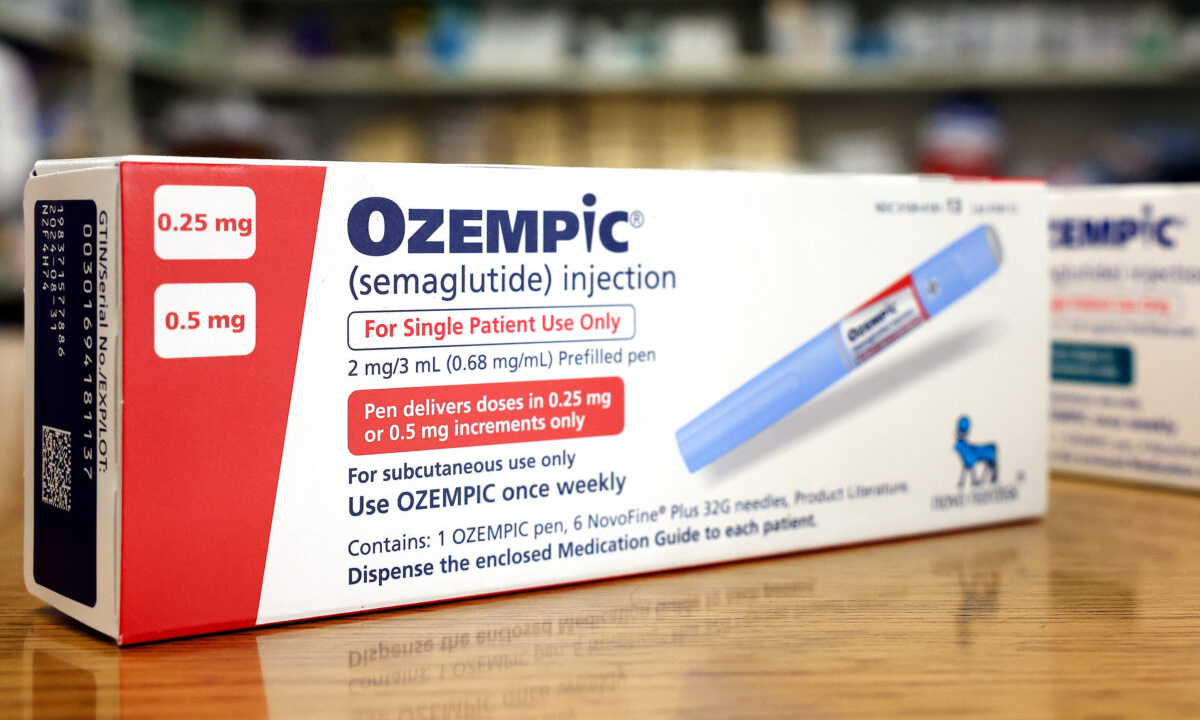
Several people in Austria have been hospitalized after taking fake Ozempic injections, with authorities warning citizens to avoid sourcing weight loss injections from “dubious sources.”
Austria’s Federal Office for Safety in Health Care (BASG) “has received initial reports that several patients had to be treated in hospital after using suspected counterfeit Ozempic,” the agency said in an Oct. 23 warning. “The reported serious side effect with hypoglycaemia and seizures is an indication that the product incorrectly contained insulin instead of the active ingredient semaglutide.”
Hypoglycemia occurs when the blood sugar level is too low.
“Together with the Federal Criminal Police Office (BK), the BASG therefore urgently warns against counterfeit ‘weight loss injections’ from dubious sources.” BASG did not reveal how many Austrians were affected by the fake Ozempic.
An investigation revealed that the counterfeit batch of Ozempic was obtained by people from an Austrian doctor.
“In this case, the pre-filled pens are likely to come from a source other than a pharmacy,” BASG said.
Ozempic is approved for use among patients with Type 2 diabetes. However, the medication is also being increasingly used for weight loss, “for which the drug is not approved,” according to BASG. Due to its huge demand, there is now a limited supply of Ozempic, paving the way for criminals to exploit the situation.
“Counterfeit medicines can be dangerous to your health. Due to the untested quality of the counterfeit medicine, possible contamination and unknown ingredients, these counterfeits can also be life-threatening,” BASG stated.
Identifying Counterfeit Drugs
BK proposed that counterfeit stocks could still be circulating or could have been obtained through illegal routes by other doctors. BASG asked patients who bought prefilled Ozempic pens from doctors without a medicine cabinet to quickly contact them.
“According to current knowledge, the suspected counterfeits are Ozempic packs with a strength of 1 mg (Ozempic 1 mg injection solution in a pre-filled pen),” BASG stated. However, “it cannot currently be ruled out that other packs with a different potency are affected.”
According to BASG, potential distinguishing features of counterfeit Ozempic are that the blue color of the fake pen is darker than the original, the dose setting ring is different, and the included needles are labeled 31G instead of 32G.
Images of the fake Ozempic product can be viewed here.
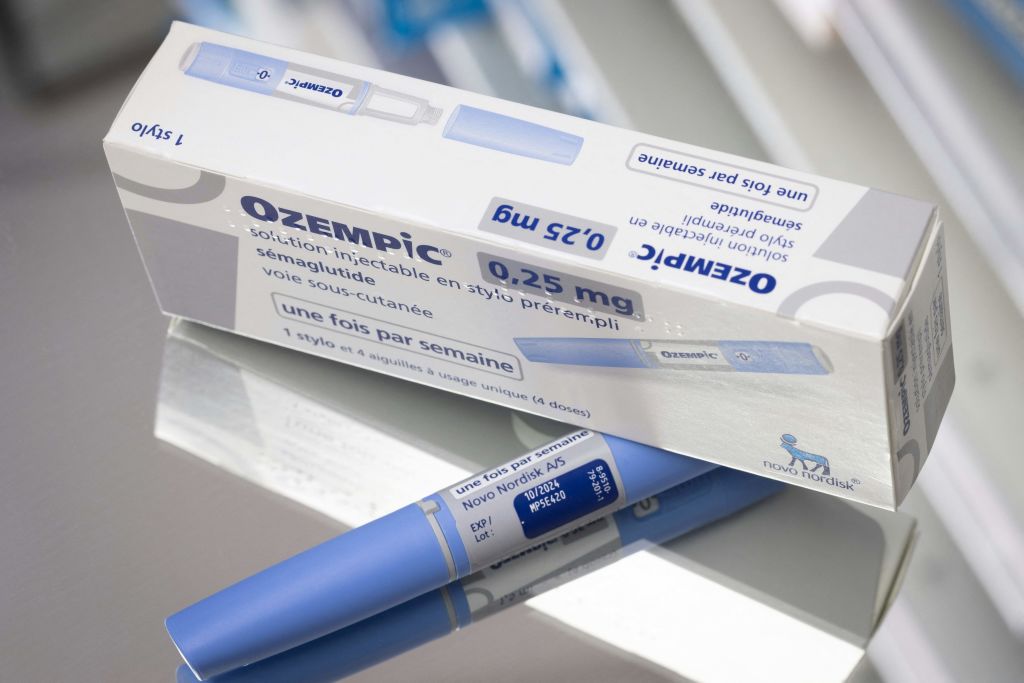
“The BASG assumes that there are also counterfeits of Ozempic that look different or are not offered as pre-filled pens.”
It pointed out that Ozempic is a prescription drug and thus cannot be ordered online. “Any order from Ozempic online is therefore not only unlawful and illegal, but also carries a very high probability of obtaining a counterfeit Ozempic product.”
There has been a surge of interest in Ozempic and Wegovy among weight loss practitioners in the past year. However, the usage of the medicines has been found to have a range of adverse health issues for users, including serious stomach conditions like paralysis and gastroparesis in diabetics.
Other Warnings
Counterfeit Ozempic has also been identified in Germany. On Oct. 11, Germany’s Federal Institute for Drugs and Medical Devices (BfArM) said that fake Ozempic products were discovered at the wholesale level in packs with a strength of 1 milligram.
“So far, there is no evidence that the counterfeits have reached patients. However, it cannot be ruled out that counterfeit medicines are in the distribution chain in Germany,” it said. “The counterfeits identified so far are difficult or impossible to distinguish from the original on the secondary packaging, but only on the primary packaging.”
On Oct. 18, the European Medicines Agency (EMA) issued an alert about fake Ozempic pens identified at wholesalers in the European Union and the United Kingdom. The pens were labeled in German and originated from Austria and Germany. The issue is under investigation by the EU medicines regulatory authorities and the police.
Earlier this month, Novo Nordisk, the manufacturer of Ozempic, had warned about a surge in the sale of counterfeit Ozempic, seeing a “significant increase in illegal online sales,” according to Reuters.
In the United States, Novo Nordisk issued a similar warning about counterfeit Ozempic pens in June. The fake pen contained another type of diabetes medication which “reportedly led to an adverse reaction.”
In July, the company filed lawsuits against three pharmacies in Florida, accusing the outlets of illegally selling products containing semaglutide. The three pharmacies were compounding pharmacies, meaning they made custom drug preparations for buyers by combining, mixing, or altering ingredients.
The U.S. Food and Drug Administration (FDA) has only approved Novo Nordisk to sell semaglutide drugs in the country. Anyone else selling semaglutide without gaining FDA approval would be violating state and federal laws.
On Oct. 11, the FDA said it had received adverse event reports after people used compounded semaglutide. Compounded drugs are not approved by the FDA.
“FDA has received reports that in some cases, compounders may be using salt forms of semaglutide, including semaglutide sodium and semaglutide acetate,” it said. “Products containing these salts … have not been shown to be safe and effective.”
“Patients should only obtain drugs containing semaglutide with a prescription from a licensed health care provider, and only obtain medicines from state-licensed pharmacies or outsourcing facilities registered with FDA.”
In April, the FDA wrote to the National Association of Boards of Pharmacy, raising concerns about the use of salt forms in compounded drugs.
Reuters contributed to this report.