



The U.S. Food and Drug Administration (FDA) has granted approval to the first vaccine to prevent chikungunya disease, an infection caused by a virus transmitted to humans by mosquitoes.
“Ixchiq is approved for individuals 18 years of age and older who are at increased risk of exposure to chikungunya virus,” stated a Nov. 9 press release from the federal agency. Prior to Ixchiq, there was no vaccine to prevent the disease.
“Ixchiq is administered as a single dose by injection into the muscle. It contains a live, weakened version of the chikungunya virus and may cause symptoms in the vaccine recipient similar to those experienced by people who have chikungunya disease.”
In one U.S. study that looked at the effectiveness of Ixchiq, almost all 266 participants who received the vaccine were found to have an antibody level deemed to be protective against the virus.
Another study evaluated whether the chikungunya virus is present in the blood after vaccination. It found that while the virus was present within the first week following vaccination, it was not detected 14 days after subjects received their jabs.
“Infection with chikungunya virus can lead to severe disease and prolonged health problems, particularly for older adults and individuals with underlying medical conditions,” said Peter Marks, director of the FDA’s Center for Biologics Evaluation and Research.
“Today’s approval addresses an unmet medical need and is an important advancement in the prevention of a potentially debilitating disease with limited treatment options.”
The safety of the vaccine was evaluated in two clinical studies conducted in North America in which around 3,500 participants aged 18 and above received a dose, with one study having around 1,000 participants on a placebo.
Vaccine recipients reported minor side effects, the most common being headache, fatigue, muscle pain, joint pain, fever, nausea, and tenderness at the injection site.
In 1.6 percent of Ixchiq recipients, severe chikungunya-like adverse reactions that prevented daily activity or required medical intervention were reported. Such cases were not seen in the placebo group.
Among those who suffered from severe reactions, two were hospitalized. Some recipients experienced the reactions for at least 30 days. As a result, the prescribing information about the vaccine contains a warning stating that it may cause severe or prolonged chikungunya-like adverse reactions.
“The FDA is requiring the company to conduct a postmarketing study to assess the serious risk of severe chikungunya-like adverse reactions following administration of Ixchiq.”
Ixchiq has been developed by biotech firm Valneva SE, which is headquartered in France.
Risks to Pregnant Women
There have been reports of chikungunya virus being transmitted to newborns from pregnant women who had the virus present in their blood, posing a risk of infants potentially contracting the disease.
Since Ixchiq contains a live, weakened version of the virus, the vaccine’s prescribing information includes a warning that it is unknown whether the vaccine virus can be transmitted from pregnant women to their newborns. It is also not known if the vaccine virus can trigger adverse reactions among infants.
The warning asks health care providers who administer Ixchiq to pregnant women to take into account the “individual’s risk of exposure to chikungunya virus, gestational age, and risks to the fetus or neonate from disease caused by chikungunya virus in the pregnant individual.”
The FDA approved Ixchiq using the agency’s Accelerated Approval pathway, which allows it to grant clearance for certain medications aimed at countering serious or life-threatening conditions.
As a condition for the approval, the FDA requires that confirmatory clinical studies on Ixchiq be conducted to verify clinical benefits.
The vaccine was also granted Fast Track and Breakthrough Therapy designations by the FDA.
The Fast Track process of approval is aimed at facilitating the development and expediting the review of drugs “to treat serious conditions and fill an unmet medical need.” The purpose is to “get important new drugs to the patient earlier.”
A Breakthrough Therapy designation is granted when preliminary clinical evidence suggests that the drug may result in “substantial improvement over existing therapies.”
The Infection
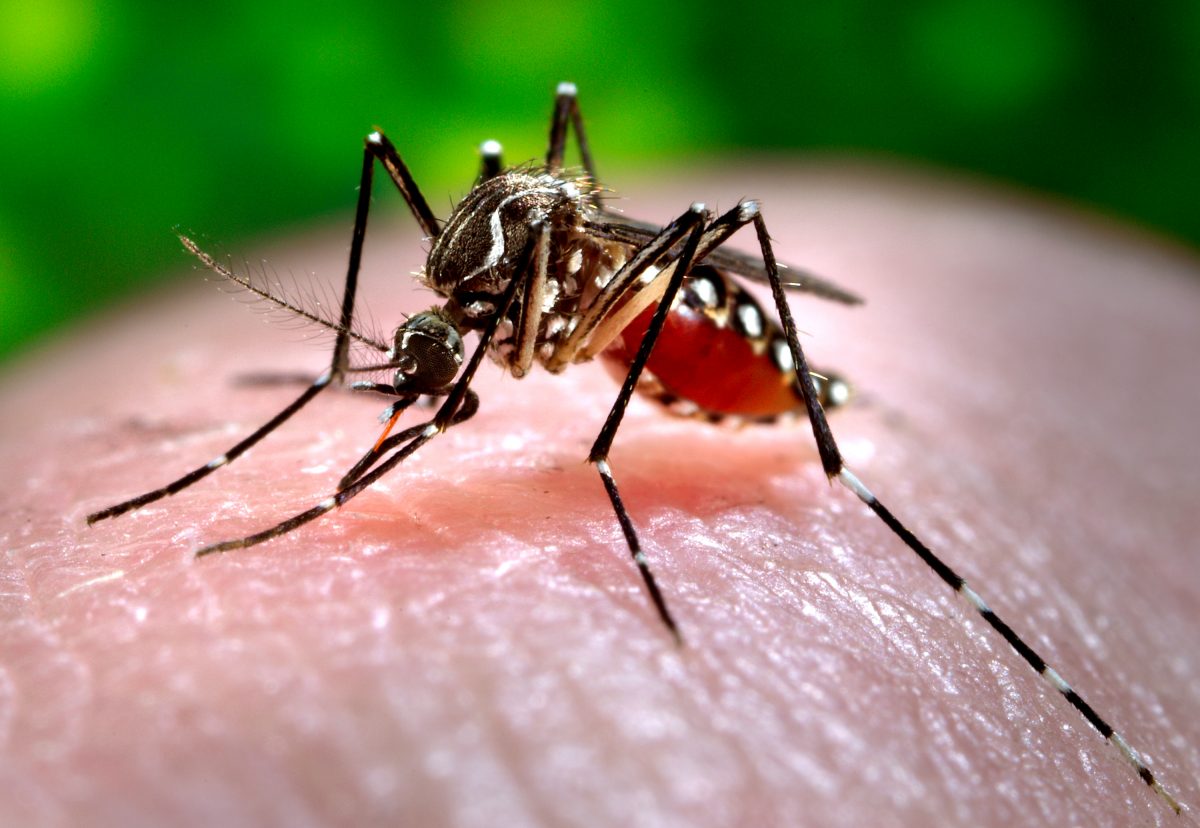
According to the U.S. Centers for Disease Control and Prevention (CDC), the chikungunya virus is transmitted among human beings through the bites of infected mosquitoes, mainly those belonging to the Aedes aegypti and Aedes albopictus species.
“People are the primary host of chikungunya virus during epidemic periods. Mosquitoes become infected when they feed on a person who already has the virus,” it said.
“The risk of a person transmitting chikungunya virus to a biting mosquito or through blood is highest when the patient is viremic during the first week of illness.” Viremic means the virus is present in the blood of the infected individual.
Most people who are infected with the virus will develop some symptoms, usually within three to seven days after a mosquito bite. Common symptoms include fever and joint pain, with other symptoms being muscle pain, joint swelling, rashes, and headaches.
Many patients feel better within a week. However, “joint pain can be severe and disabling and may persist for months,” the CDC states. It points out that death from the infection is “rare.”
Individuals who are at the highest risk of more severe infection include older adults aged 65 and above; newborns who are infected at the time of their birth; and people who have medical conditions like diabetes, heart disease, and high blood pressure.
There is no medicine to treat chikungunya. Symptoms of the disease are usually relieved through rest, fluids, and taking over-the-counter pain medications.
The CDC advises infected individuals to prevent mosquito bites in the first week of illness to prevent the spread of the virus.