



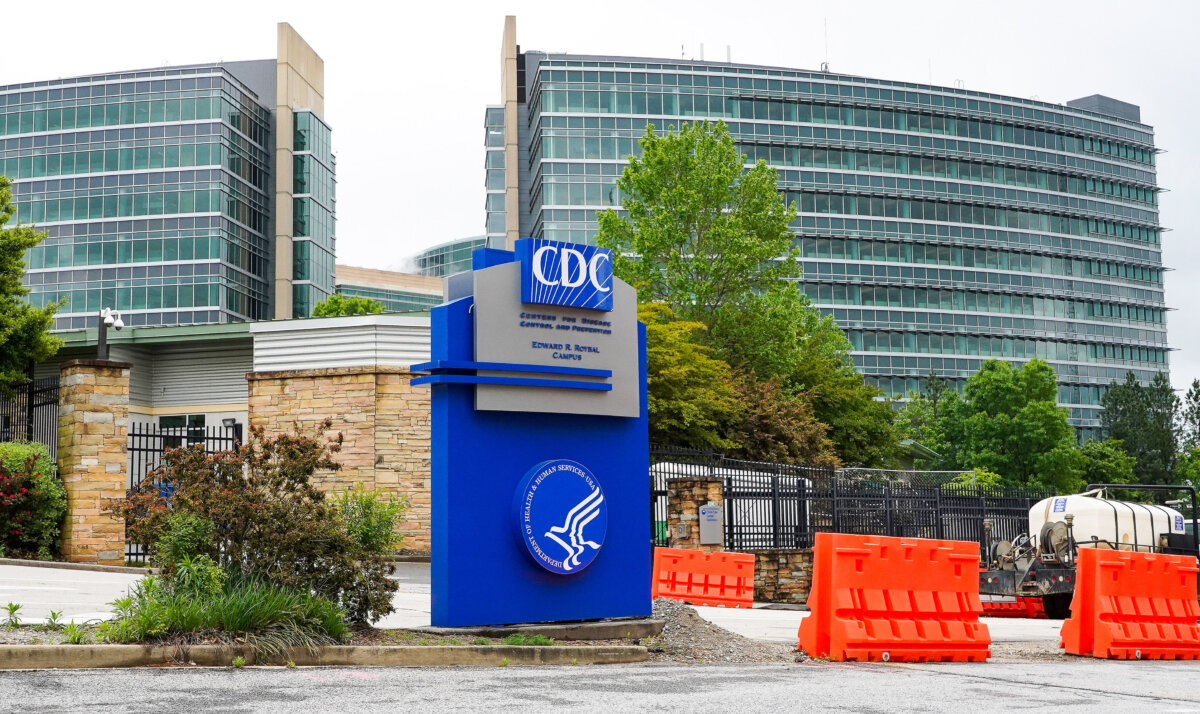
The U.S. Centers for Disease Control and Prevention (CDC) provided an update on an outbreak of Legionnaires’ disease in California that led to at least one death and was linked to the local tap water supplies.
The death was one of more than a dozen people who contracted the bacterial infection that was linked to a water system in Napa County, located in the Bay Area, according to a report issued Thursday by the CDC.
Between mid-July and mid-August of last year, officials identified 17 Legionnaires’ disease cases, including 14 and three suspected cases in the area, according to the report. Among those 17 cases, 16 of them were hospitalized, and five required “intubation and mechanical ventilation,” the agency said.
CDC officials said in Thursday’s report that they traced the cluster of bacterial infections to several water plant cooling towers that allowed the bacteria to contaminate the area’s tap water supply.
“Visual inspection, review of records, and sampling of devices within the high-risk zone revealed a lack of maintenance at most cooling towers,” said the agency’s report. “Many had low or no detectable chlorine at the time of sampling because of lack of routine biocide application, improper distribution methods, or other problems with the system.”
The Mayo Clinic says Legionnaires’ disease is a “severe” type of pneumonia that is typically considered rare. “Most people catch Legionnaires’ disease by inhaling the bacteria from water or soil,” it says. “Older adults, smokers, and people with weakened immune systems are particularly susceptible to Legionnaires’ disease.”
It is usually caught in places like hotels, hospitals, or offices where the bacteria have got into the water supply, for example, in air conditioning systems or taps and showers that are not in frequent use.
Other research has shown that water cooling towers can spread the Legionella bacteria over a “wide geographic area,” the CDC report stated, adding that in the Natpa County instance, the “highest attack rates” occurred among “persons living within 0.6 miles of the tower.”
“This investigation further highlights the risks cooling towers can pose for susceptible persons in surrounding neighborhoods,” it continued. “Cooling towers without a comprehensive water management program or lacking routine maintenance are associated with an increased risk for Legionella colonization. Even after an outbreak, building owners and managers might not always follow best water management practices.
The CDC researchers advised that “a close relationship between public health sectors and local businesses” can assist in preventing future outbreaks of the bacterial infection.
Symptoms
Symptoms include difficulty breathing, fever, muscle aches, headache, chest pain, and a cough. After a diagnosis, the disease requires treatment with antibiotics. The disease received its name after it was discovered in people who went to an American Legion convention in Pennsylvania in 1976, says the CDC.
Other symptoms can include diarrhea, nausea, and mental confusion. The CDC’s website says that symptoms usually start two days to two weeks after exposure to the Legionella bacteria. But in some instances, it can take longer.
Health guidelines say that hot water supplies should be kept at 122 degrees Fahrenheit and cold water should be kept at 68 degrees Fahrenheit or lower to prevent the bacteria from surviving.
A milder infection involving the Legionnaires bacteria is called Pontiac fever, which doesn’t include pneumonia—or the inflammation of one or both lungs. The primary symptoms are fever and muscle aches, the CDC says.
Other Instances
In recent years, there have been sporadic outbreaks of Legionnaires disease in other areas. Earlier this year, officials in California’s Contra Costa County, located near Napa County, said that a spa was flagged to be the source of an outbreak of the bacteria that left multiple people sick and led to at least two deaths, according to local media reports.
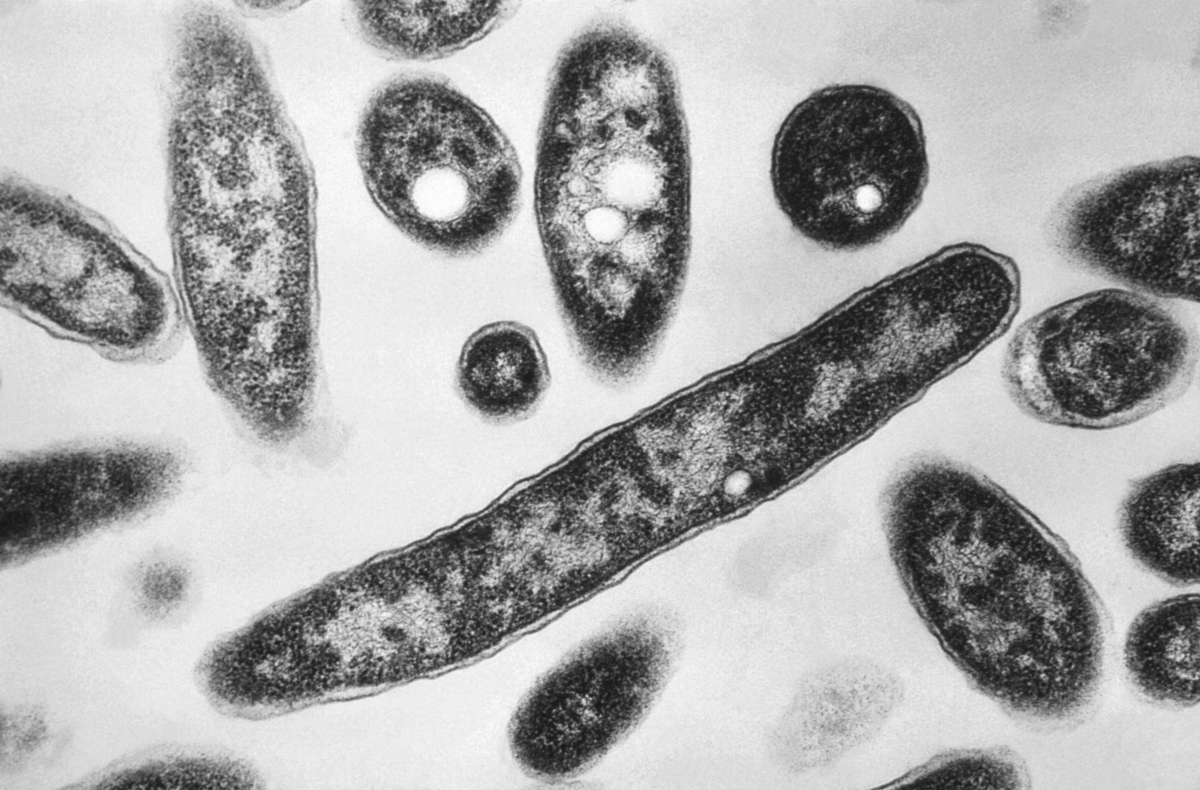
A news release issued by the Minnesota Health Department in July said officials were investigating an outbreak of five confirmed cases in Grand Rapids, Minnesota. But at the time, the “environmental source of the illnesses has not yet been determined,” officials said.
“People who have symptoms or are concerned about their health should contact their health care provider,” said Jessica Hancock-Allen, with the state health agency, in the statement.
Between July and September 2023, at least 19 people died, and 166 people were infected during an outbreak in Rzeszow, Poland, in an area near the Ukraine border.
The area a key transit hub for international military support for Ukraine following Russia’s invasion last year. Some 10,000 U.S. troops are also stationed in the area.
Health authorities, prosecutors, and internal security agencies were still looking for the source of the pulmonary infections in a strategically sensitive region. Experts say it could come from warm water in rarely used plumbing.
The Associated Press contributed to this report.