



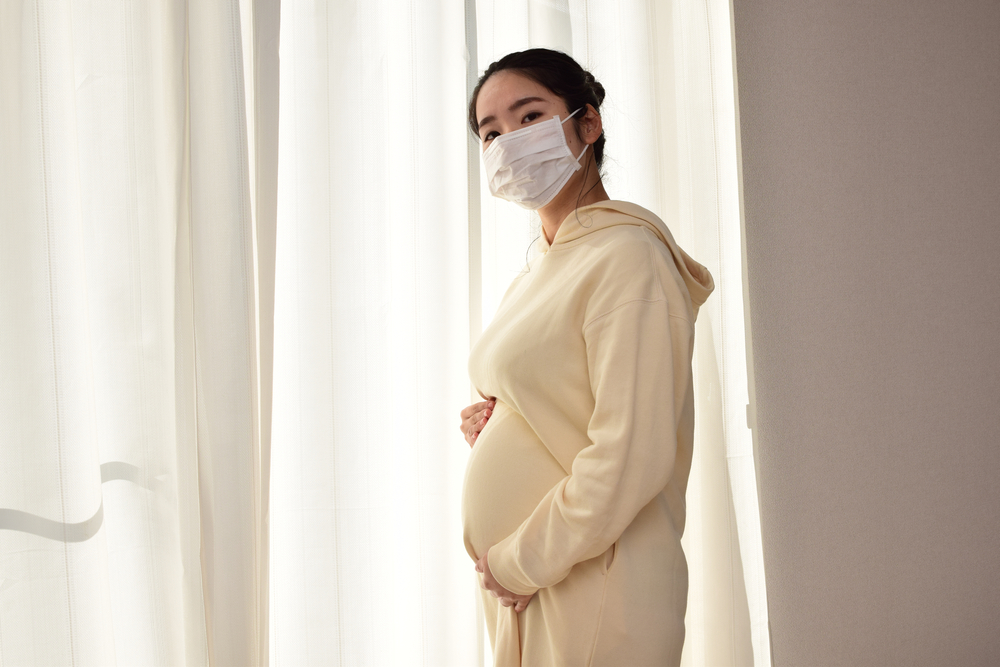
Pregnant women who were distressed during the COVID-19 pandemic are more likely to give birth to babies with smaller brain volumes, with the most significant reduction occurring in the left amygdala, a recent JAMA Network Open cross-sectional study found.
“These findings suggest that increases in maternal mental health symptoms during the COVID-19 pandemic are associated with subsequent lower volumetric brain growth in newborn offspring,” the research team wrote in the study.
Women who were pregnant during the pandemic were more likely to report distress, which included stress, anxiety, and depression. These symptoms were then linked to babies being born with reduced cerebral white matter.
The authors speculated that such brain differences may affect children’s long-term development, including cognitive abilities, mental health, and behavior.
The brain’s gray matter integrates and processes information, enables sensory perception, facilitates decision-making, and more. White matter, on the other hand, is associated with brain connectivity and communication between brain regions. According to the study, alterations in white matter have been linked to anxiety disorders in adults.
Maternal Stress and Anxiety Affect Offspring
The authors analyzed data from 159 women and their infants born before or during the COVID-19 pandemic. Unsurprisingly, reports of distress among pregnant women more than doubled during the pandemic.
Upon studying magnetic resonance imaging (MRI) of newborns’ brains, the researchers identified significant brain differences in children born before the COVID-19 pandemic versus during it. The authors attributed this difference to maternal stress.
“Intrauterine stressors have been shown to influence fetal brain development and affect how the child, once born, grows and develops,” the authors wrote. “Maternal psychological distress during pregnancy, including stress, anxiety, and depression, is recognized as one such stressor on early brain development.”
According to the authors, studies evaluating prepandemic pregnancy stress linked it to reduced left hippocampal volume in infants. The hippocampus is responsible for forming and storing memories.
Contrastingly, pregnancy stress during the pandemic was associated with “selectively stunted fetal cerebral white matter, hippocampal, and cerebellar growth.” The cerebellum facilitates movement and coordination.
The researchers emphasized the link between pregnancy stress and the reduced volume of newborn amygdalas. This area of the brain regulates anxiety and processes and reacts to threats.
They also found that babies whose mothers had occasional anxiety did not have smaller amygdalas. However, when fetuses were exposed to constant stress, their brains changed.
“Our data show a selective vulnerability of the left amygdala in the newborn infant exposed to elevated maternal stress and anxiety during pregnancy,” the authors wrote.
“Looking ahead, we want to use this information—and studies with similar findings—to empower pregnant mothers to request support to mitigate their stress, especially in the event of another global health crisis,” Dr. Nickie Andescavage, a principal investigator of the study, said in a news release. “We also want to make sure babies born during COVID-19 get the services that they need in life if they develop anxiety or other mental health disorders.”
Additional research is underway to further Dr. Andescavage’s work. Catherine Limperopoulos, director of the Center for Prenatal, Neonatal & Maternal Health Research, said that understanding the impact of stress is vital to supporting the healthy development of young children. Her center is currently studying the role of stress in prenatal development and how it can affect long-term development.
“We all know that being pregnant can be quite stressful, and there are certain times of collective stress that can provide us windows to understand how the body and mind manage it,” Ms. Limperopoulos said in the news release. “Our researchers plan to continue investigating the role of stress in development to continue building data to show that mental health must be a greater priority.”