



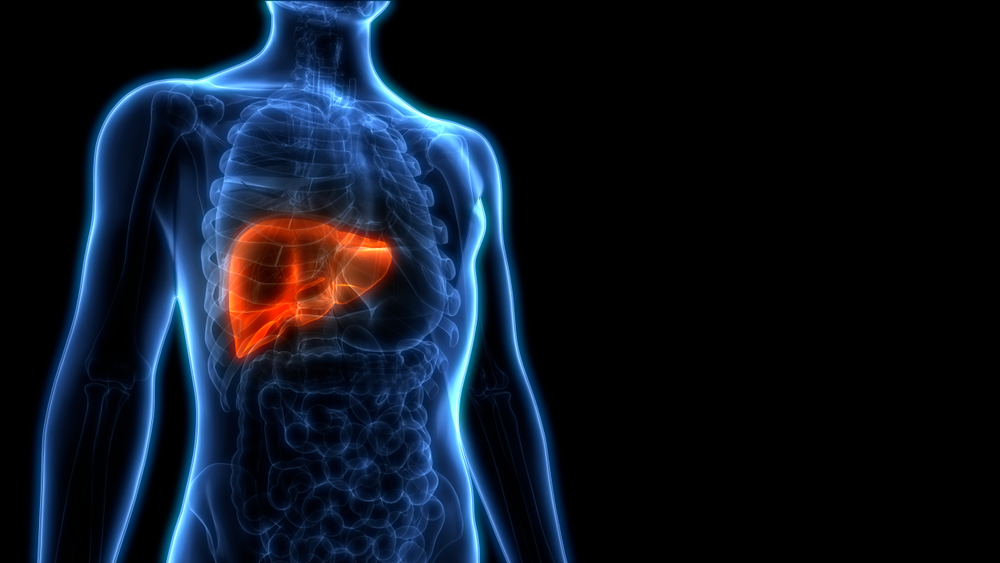
The liver is often called the “silent organ” because it has few nerve endings. By the time symptoms of liver disease appear, the condition has often progressed to a more advanced stage. Fortunately, there are many effective ways to support liver health, including a balanced diet, regular exercise, and targeted acupressure techniques.
Liver-Nurturing Herbal Teas
A diet high in sugar and fat can increase the risk of developing fatty liver disease. To help reduce fat accumulation and limit sugar intake, consider replacing sugary drinks with the following two herbal teas:
1. Hawthorn, Cassia Seed, and Smoked Plum Tea
This tea, made with hawthorn, cassia seeds, and smoked plums, supports fat metabolism and helps reduce fat accumulation. Hawthorn aids in digesting greasy, fatty foods, while hawthorn and cassia seeds contribute to lowering cholesterol and improving blood lipid levels. Smoked plums help counteract greasiness, relieve constipation, and nourish the liver.
Ingredients:
- 10 grams (0.35 ounces) hawthorn
- 10 grams (0.35 ounces) cassia seeds
- 2 smoked plums
Preparation: Place the ingredients into 1 liter (34 fluid ounces) of water and bring to a boil. Reduce the heat and simmer for 10 minutes. Serve warm and enjoy.
2. Kuan-Sin-Yin
Kuan-sin-yin, a decoction brewed with seven traditional Chinese herbs, is known for its ability to regulate blood sugar levels, support digestive health, and nourish the liver.
Ingredients:
- 8 grams (0.28 ounces) salvia root (dan shen)
- 8 grams (0.28 ounces) white atractylodes rhizome (bai zhu)
- 8 grams (0.28 ounces) astragalus root (huang qi)
- 4 grams (0.14 ounces) each: poria (fu ling), licorice root (gan cao), ligustrum fruit (nu zhen zi), patchouli (huo xiang)
Preparation: Place all ingredients into 1 liter (34 fluid ounces) of water and bring to a boil. Reduce the heat and simmer for five minutes. Serve warm and enjoy.
This tea has a fragrant, sweet flavor and is suitable for daily enjoyment. It can also be cooked with chicken to create a nourishing chicken soup with added health benefits.
Simple Daily Habits for Liver Health
Liver health is closely tied to daily habits. To protect the liver, avoid harmful behaviors such as overworking, staying up late, smoking, and drinking alcohol. Following a consistent routine and giving your body sufficient time to rest and detoxify are equally important. Here are some simple habits to help support liver health:
Maintain a Regular Sleep Schedule
The liver and gallbladder are vital organs for detoxification. During sleep, they work to repair and detoxify the body. According to traditional Chinese medicine (TCM), a large amount of qi (energy) and blood flow to the liver and gallbladder between 11 p.m. and 3 a.m., making this the ideal time for liver detoxification.
Additionally, the liver and gallbladder are believed to have a strong connection to eye health, and going to bed before 11 p.m. helps the eyes rest and recover properly.
Failing to sleep during this critical period deprives the liver of much-needed rest, increasing the risk of liver-related diseases.
Give Your Eyes Regular Breaks
In TCM, the eyes are viewed as a reflection of liver health. Excessive eye strain, which frequently results from prolonged use of computers, TVs, or smartphones, not only harms the eyes, but also depletes the liver’s energy.
To counter this, it’s recommended that we take advantage of spare moments, such as during commutes, to rest our eyes by closing them and practicing deep, mindful breathing. This simple habit allows the eyes and liver to recover and recharge, supporting liver function and preserving eye health.
Incorporate Walking Into Your Daily Routine
Brisk walking can boost metabolism and blood circulation and strengthen heart and lung function. Additionally, it helps burn both subcutaneous and visceral fat, improving the symptoms of fatty liver disease.
A systematic review and meta-analysis involving 551 participants found that exercise significantly reduces liver fat in patients with non-alcoholic fatty liver disease (NAFLD). Specifically, engaging in 150 minutes of brisk walking per week—just 22 minutes a day—can significantly improve NAFLD symptoms.
The Link Between Emotional Well-Being and Liver Health
Emotions play a significant role in liver health. The ancient Chinese medical text “Huangdi Neijing” (“The Yellow Emperor’s Classic of Internal Medicine”) notes that anger can harm the liver, and liver disorders can, in turn, lead to irritability. Maintaining emotional balance is therefore crucial—try to avoid constant stress, low moods, anxiety, irritability, or overreacting to minor issues. These negative emotions can cause liver qi stagnation and, over time, may lead to liver damage.
Spending at least 30 minutes a day in quiet meditation is a simple way to calm the mind. Meditation helps restore balance to the nervous system, reduce stress, and cultivate inner peace. A 2022 randomized clinical trial showed that mindfulness-based stress reduction therapy can improve emotional regulation in patients with anxiety disorders.
Supporting Liver Health With Acupressure
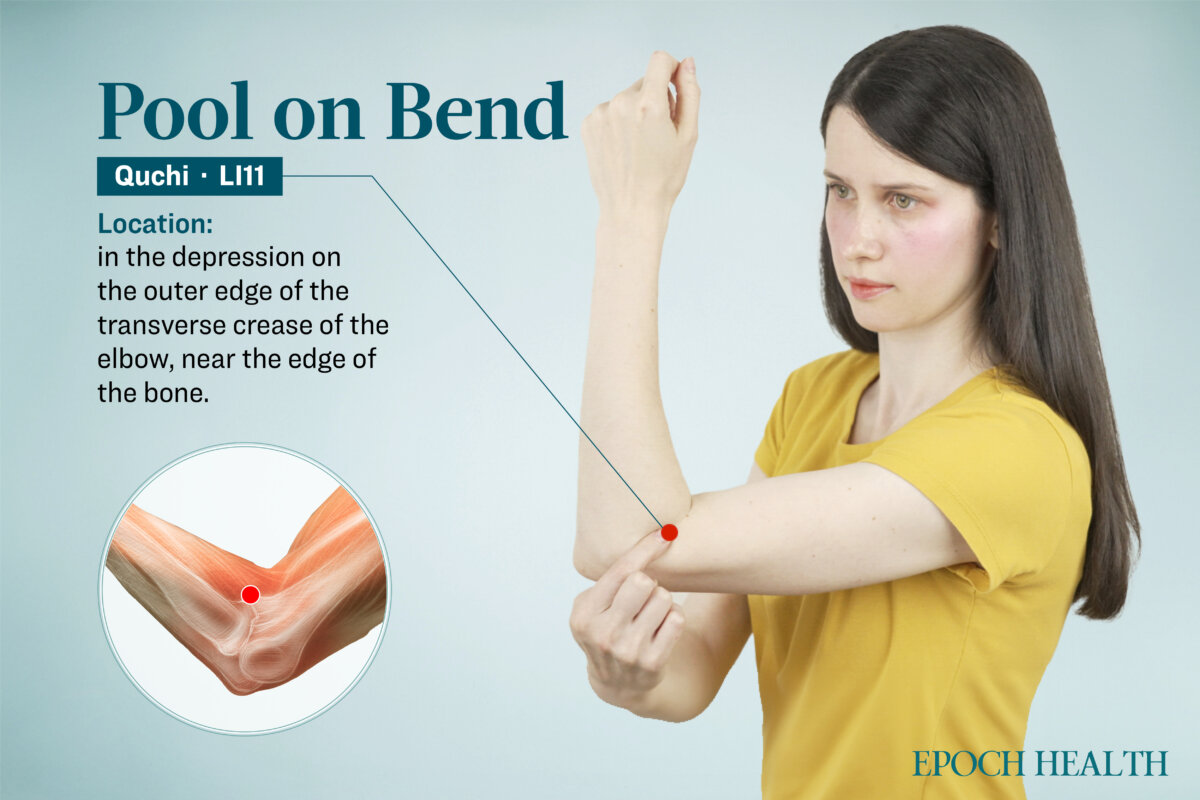
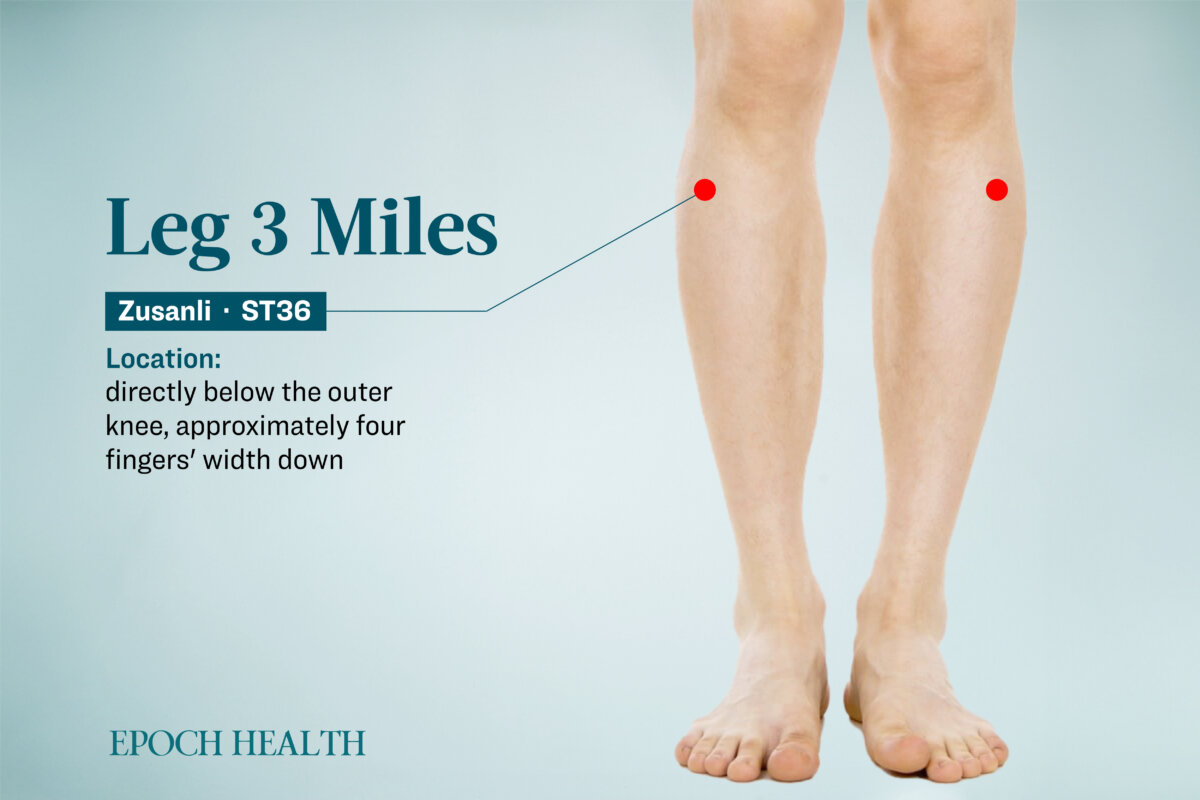
The liver plays a crucial role in the body’s immune system, and a decline in liver function can weaken immunity. By strengthening overall immunity, you can also help protect the liver. The quchi (LI11) and zusanli (ST36) acupoints are commonly used to enhance immunity, and massaging them regularly can benefit liver health.
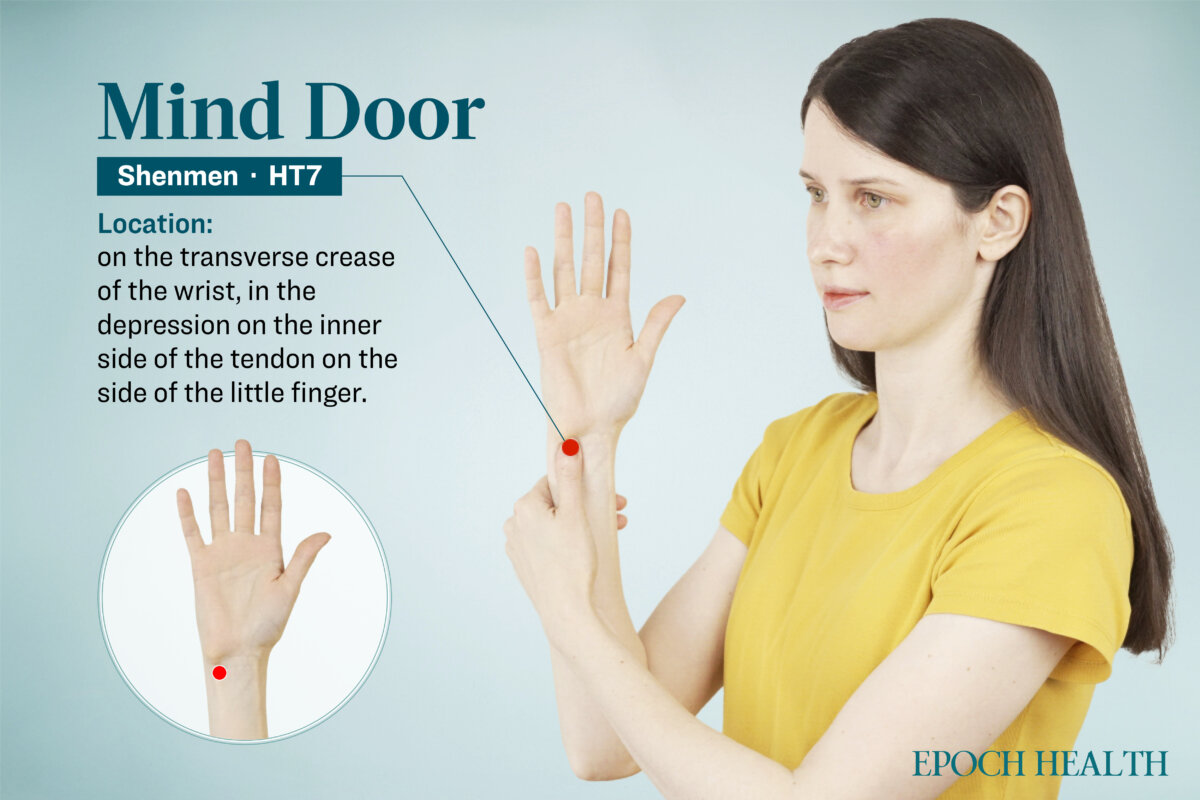
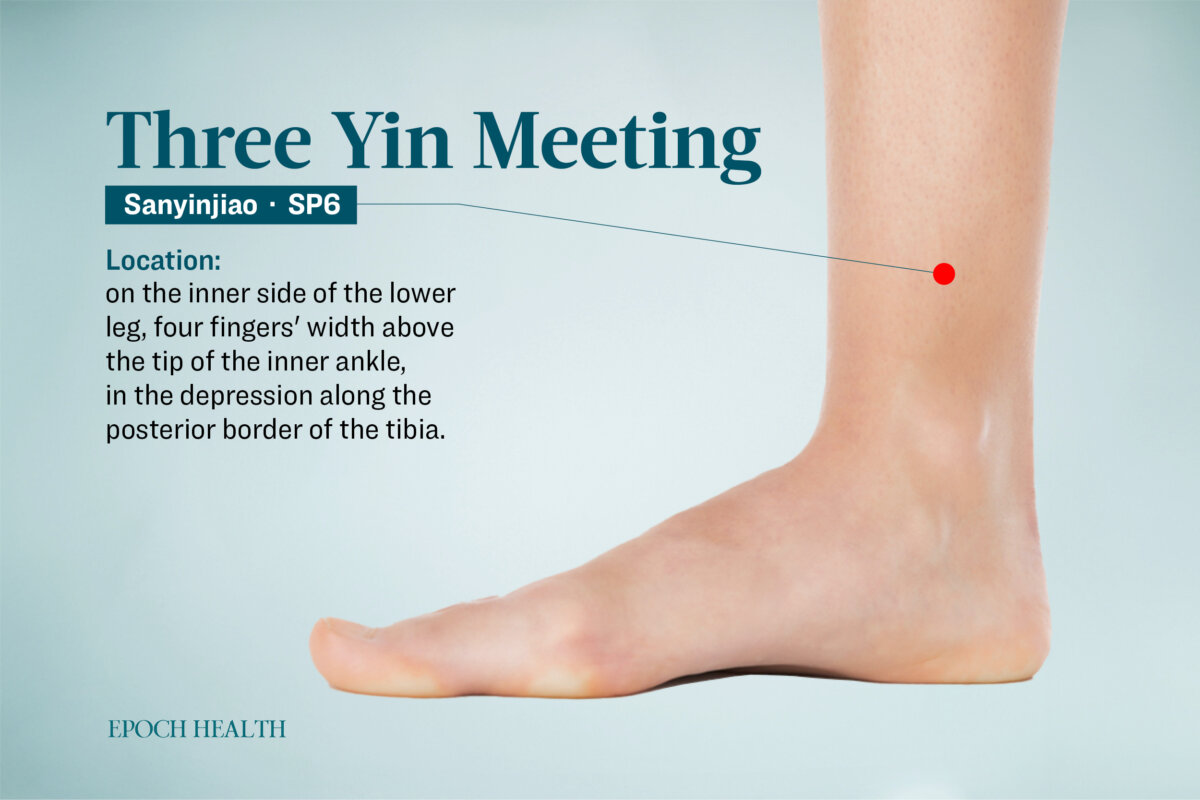
Pressing the shenmen (HT7) and sanyinjiao (SP6) acupoints has a calming effect on the mind and promotes sleep, which benefits liver health.
Note: Avoid stimulating the sanyinjiao acupoint during pregnancy, as it may induce labor.
A Clinical Case Study
A liver cancer patient was admitted to a palliative care ward after becoming too weak to walk. According to TCM, conditions such as liver cancer, cirrhosis, fatty liver, and liver tumors are often linked to stagnant blood trapped in the liver.
Drawing from treatment methods detailed in the “Huangdi Neijing,” I performed a needling procedure on the dadun acupoint near the big toenail of his left foot. A small amount of blood, roughly the size of a soybean, was released. Following this, the patient’s symptoms showed noticeable improvement.
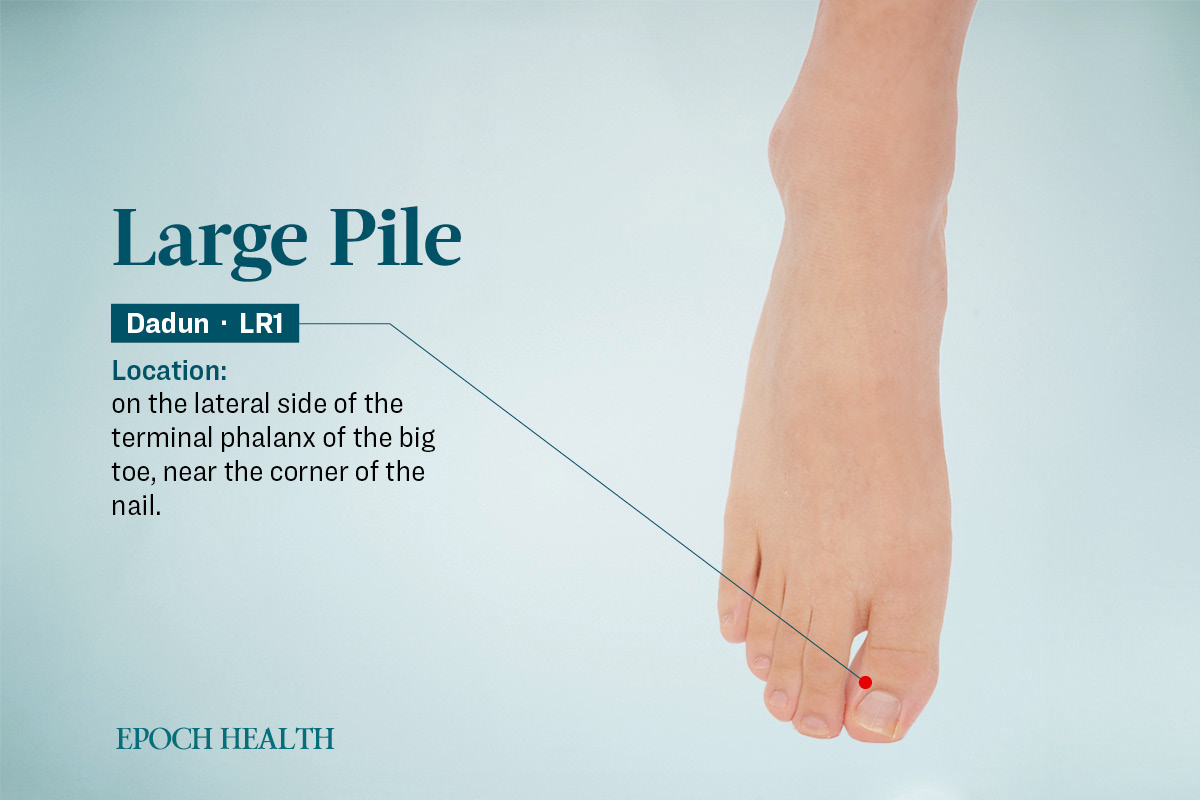
This technique involves contralateral therapy, in which treatment is applied to the opposite side of the body—meaning the right side is treated when the left is affected, and vice versa. Since the liver is located on the right side of the body, I performed bloodletting by needling the dadun acupoint on the patient’s left foot. However, it is important to note that needling and bloodletting should only be performed by a trained professional and must not be attempted without proper guidance.
Note: While some herbs mentioned in this article may be unfamiliar, they are generally available in health food and Asian grocery stores. It is important to note that treatment methods may vary depending on the individual. Please consult a health care professional for a specific treatment plan.
Views expressed in this article are the opinions of the author and do not necessarily reflect the views of The Epoch Times. Epoch Health welcomes professional discussion and friendly debate. To submit an opinion piece, please follow these guidelines and submit through our form here.