



Taiwanese female artist Xu Xiyuan (better known by her stage name Big S) recently died of influenza-complicated pneumonia at the age of 48. It is worth noting that although flu sometimes exhibits a number of symptoms similar to the common cold, it can be deadly for some people. Even young people can be at serious risk if they do not manage their health seriously.
Before her death, Big S suffered from epilepsy, heart disease, asthma, and other chronic illnesses, which caused her condition to deteriorate rapidly when she contracted the flu, leading to her sudden death.
The traditional Chinese medicine (TCM) perspective and concept of four-dimensional health can help us find the best way to protect ourselves and reduce the chance of similar tragedies.
High-Risk Groups
In addition to older people and children with weak immune systems, others are also at elevated risk of severe influenza and require special attention, including those with:
Asthma or chronic lung disease: People with long-term asthma, chronic obstructive pulmonary disease, or smokers are more likely to develop severe breathing difficulties or pneumonia after infection.
Epilepsy or neurological disorders: Influenza may cause encephalitis or trigger seizures.
Cardiovascular disease: Influenza may cause myocarditis and arrhythmia, posing a serious threat to cardiovascular health. Studies have shown that influenza infection is associated with increased hospitalization morbidity and mortality in patients with heart failure.
Obesity: Obesity weakens the body’s immunity, making it easier to aggravate the condition and cause complications after infection with influenza.
Diabetes: Due to their poor immune response, people with diabetes are prone to bacterial pneumonia or sepsis after being infected with influenza.
Low immune function: People who have been taking immunosuppressants for a long time, have received organ transplants, or have autoimmune diseases are prone to serious complications.
Under high stress or lack of sleep: Excessive stress and lack of sleep can weaken immunity and make people vulnerable to viruses or bacterial invasions.
If you or your family members belong to one of the above groups, it is important to be vigilant and take precautions.
How to Effectively Reduce Risks Using the ‘Four-Dimensional’ Health Concept
1. Structural Level
It is particularly important for us to protect our body structure. The structure of the body is built as a defensive wall. If cracks appear in the wall, bacteria and viruses can take advantage of it. The following are ways to support the structural level:
Vaccinate: Vaccination is a key method for strengthening the body’s defense system. For high-risk groups, it is often one of the simplest and most effective preventive measures. However, its effectiveness may vary depending on individual health conditions and the specific vaccine used. While regular vaccination—such as an annual shot—can significantly reduce the risk of infection, some individuals may have concerns about vaccine safety or efficacy. In rare cases, allergic reactions or other medical conditions may require special considerations. Consulting a healthcare professional can help determine the best course of action based on personal health needs.
Protect the respiratory tract: Daily protection is critical, including wearing a mask, avoiding staying in closed spaces for extended periods of time, washing hands frequently, and avoiding rubbing your eyes or touching your nose with your hands. These small habits can effectively reduce the chance of the virus entering the body.
Nutritional supplements: A balanced diet can help improve immunity, especially by supplementing vitamins C, D, and zinc, which can help the body build a stronger defense structure. Recommended foods include oranges, kiwis, nuts, and salmon, which improve immunity and enhance the body’s ability to fight viruses.
2. Chemical Level
The chemical environment in our body works like a well-operated laboratory, responsible for maintaining internal balance and ensuring that the immune system can mount an effective response when needed. The following are ways to support the chemical level:
Stabilize blood sugar levels and metabolic function: Blood sugar stability is critical to the immune system. A high-sugar diet can blunt your immune response, so limit your intake of sweets and avoid overly processed foods.
An analysis of death cohort data related to the National Health and Nutrition Examination Survey (NHANES) III showed that consumption of added sugars and sugary drinks is associated with the development of hypertension, stroke, coronary heart disease, and dyslipidemia, thereby increasing the risk of death.
Boost antioxidant intake: Eat more antioxidant foods, such as green vegetables and blueberries, to reduce inflammation.
Reduce sources of inflammation: Cut down on foods high in unhealthy fats.
3. Energy Level
TCM believes that the body’s immunity comes from righteousness (the body’s positive energy). If the positive energy is insufficient, viruses can easily take advantage of the situation. By ensuring good sleep, breath training, healthy exercise habits, and conditioning advocated by TCM, positive energy can be effectively improved.
High-quality sleep is an important foundation for maintaining healthy energy and is the key to its restoration. From the TCM perspective, six to eight hours of high-quality sleep every night can help repair and recuperate the internal organs, nourish the liver, protect the blood, and enhance the positive energy. Staying up late all year round will damage the function of the spleen and stomach and lead to a decline in immunity.
Practical Tips to Boost Your Energy Level
Soak your feet: Soak your feet in warm water for 20 minutes before bed. Ginger slices can be added to the water to help relax nerves, improve blood circulation, and thus improve sleep quality.
Breathing training: Five to 10 minutes of abdominal breathing every morning or every night before going to bed can help reconcile qi (energy) and blood and eliminate turbid qi in the body. Slowly expand the abdomen when inhaling and slowly retract the abdomen when exhaling. Deep breathing training can help the lungs fully expand, promote the flow of qi and blood, and keep the immune system active.
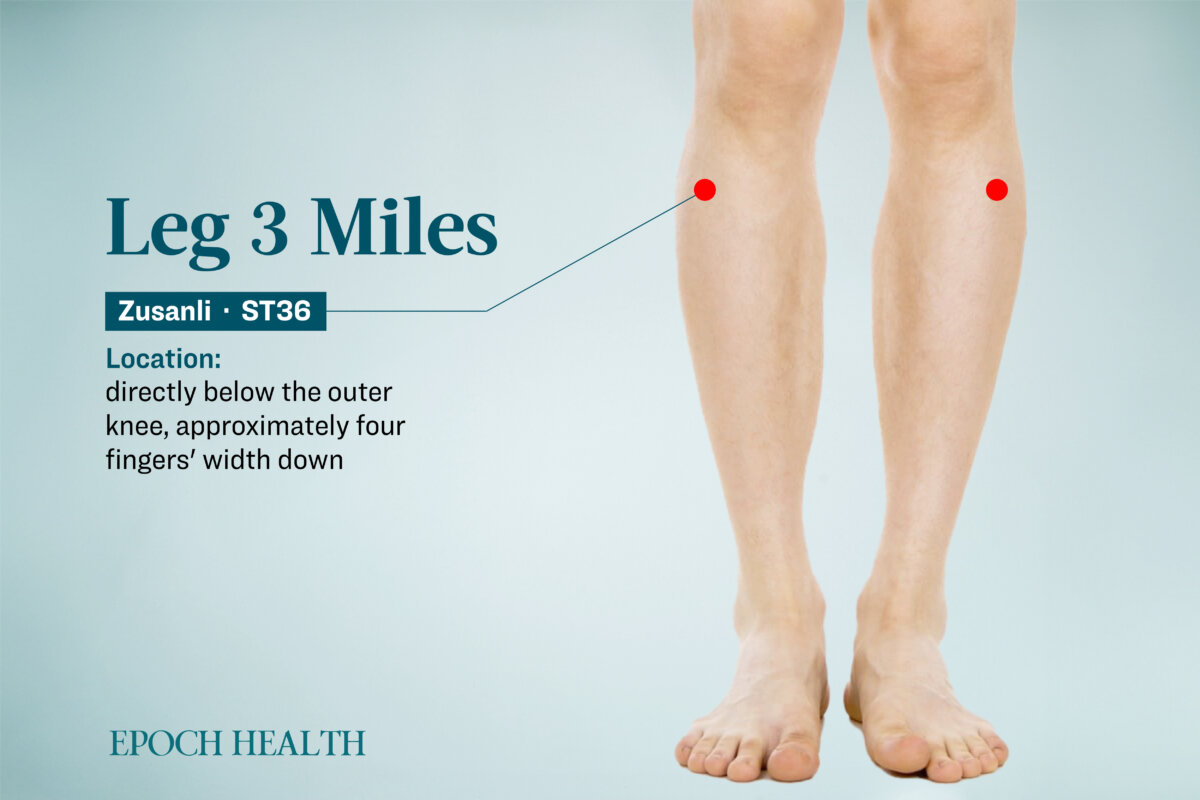
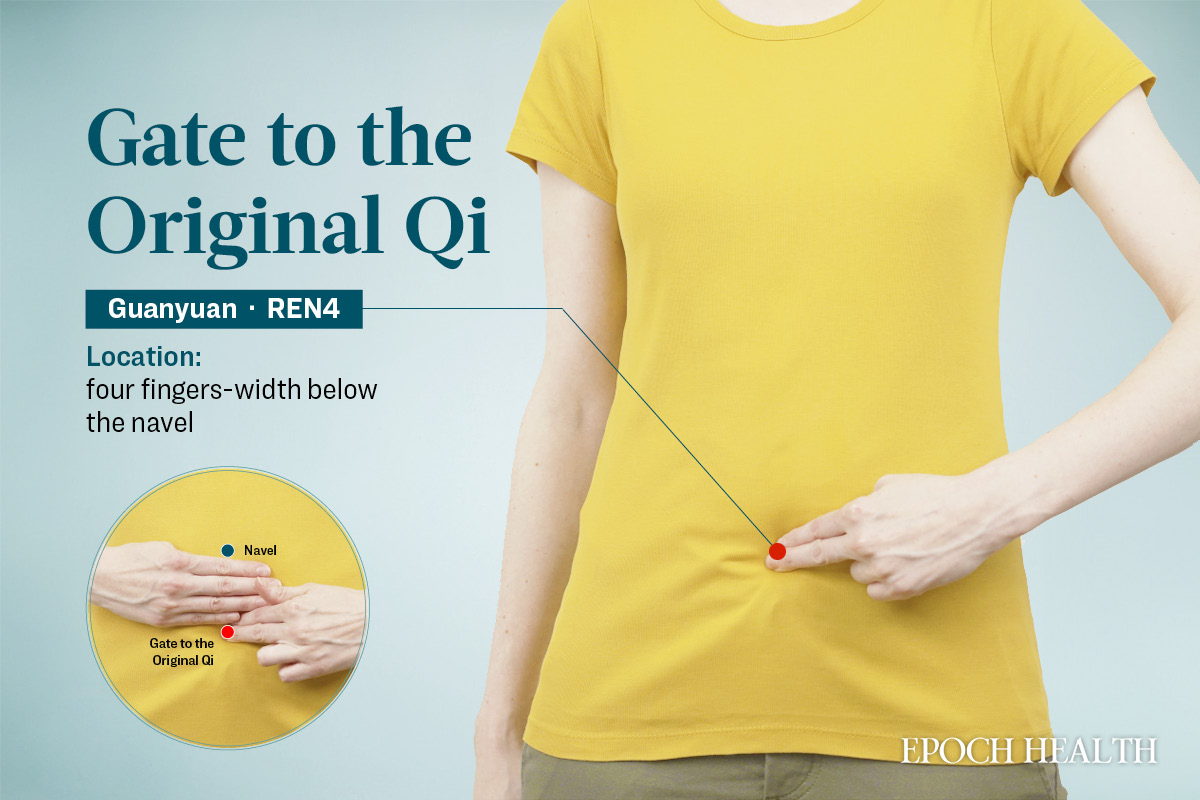
Moxibustion: Moxibustion, a gentle heat therapy with dried mugwort, at the Zusanli and Guanyuan acupoints can help strengthen body functions and improve disease resistance. TCM has found that meridians are the channels through which energy circulates in the human body, and the internal organs are connected to various parts of the body through the meridians.
Some points on the meridians with special functions are called acupoints. By stimulating the corresponding acupoints through acupuncture, moxibustion, and other techniques, diseases of the corresponding organs can be treated. Moxibustion was introduced to Japan from China. During the Warring States Period, military generals often performed moxibustion to stay healthy.
Appropriate exercise: Exercise can promote the body’s qi and blood circulation. TCM believes that “movement generates yang.” Appropriate exercise can generate heat in the body, activate yang energy, and promote blood circulation. You can try slow and consistent exercises such as Tai Chi, Baduanjin, and Qigong, which can regulate breathing, relax muscles, activate blood circulation, and enhance yang qi in the body. Yang qi refers to the energy in the human body that has the functions of warming, promoting, and protecting.
Brisk walking or jogging three to five times a week can also improve cardiopulmonary function and enhance immunity.

- Location of the Zusanli acupoint. (The Epoch Times)
- Location of the Guanyuan acupoint. (The Epoch Times)
Chinese Medicine Conditioning
According to TCM, replenishing righteousness is crucial to enhancing immune function and maintaining good health.
Some Chinese medicinal herbs can support healthy qi. For example, Scutellaria baicalensis can replenish qi, strengthen the spleen, and improve immunity. Some well-known anti-aging medicines are also made from Scutellaria baicalensis extracts. Studies have shown that Astragalus polysaccharide, the most abundant active ingredient in Astragalus baicalensis, has multiple benefits, such as antiviral, anti-tumor, and immunity enhancement.
Codonopsis pilosula replenishes qi and nourishes blood (energy and nutrition), restores fatigue, and improves bodily resistance. Studies have shown that the glufructan in Codonopsis pilosula can significantly enhance the humoral and cellular immunity of tumor-bearing mice and effectively inhibit tumor growth.
Yupingfeng powder is a classic anti-influenza prescription in TCM, consisting of Astragalus, Fangfeng, and Atractylodes. It can be used as a preventive medicine during the peak influenza period. Research has confirmed that the core ingredients of Yupingfeng powder have a significant inhibitory effect on inflammation caused by influenza infection and are effective in preventing and treating influenza.
Note: Always consult a professional TCM practitioner before taking Chinese medicinal herbs. Since everyone’s constitution is different, the selection and dosage of such medicines need to be adjusted according to individual circumstances.
4. Spiritual Level
TCM believes “the heart is the prime organ regulating the mind.” It means the mind determines the entire bodily health and its operational efficiency. When there is excessive stress and long-term depression, the immune system will gradually collapse due to increased internal friction, making the body more susceptible to disease. Therefore, learning to cultivate one’s moral character and letting go of burdens at the right time is the key to maintaining spiritual health.
Views expressed in this article are the opinions of the author and do not necessarily reflect the views of The Epoch Times. Epoch Health welcomes professional discussion and friendly debate. To submit an opinion piece, please follow these guidelines and submit through our form here.