



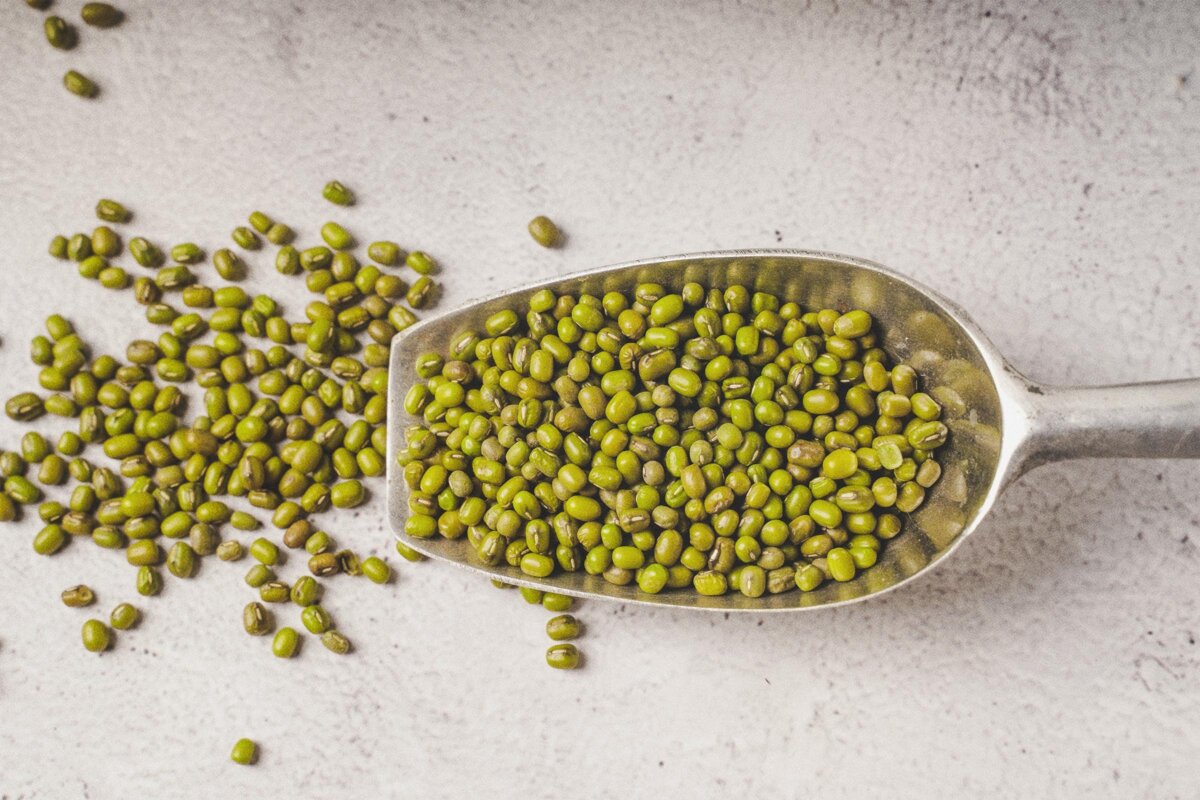
Symptoms such as acne flare-ups, dry mouth, bad breath, constipation, and a lingering sense of internal heat often occur at once. They may appear together during periods of stress, poor sleep, or dietary excess. In traditional Chinese medicine (TCM), the pattern of clustered symptoms is commonly attributed to excess internal “heat.” One of the simplest and most time-tested ways to gently rebalance the body is to eat a food that has served as medicine for centuries: mung beans.
Health Benefits of Mung Beans
The therapeutic use of mung beans dates back more than 1,300 years. During the Tang Dynasty, physician Meng Shen wrote in “Dietary Materia Medica” that mung beans could replenish vitality, harmonize internal organs, calm the mind, and relieve heat-related skin eruptions. He also noted their ability to ease excessive thirst and dryness.
Later, Ming Dynasty physician Li Shizhen explained in the “Compendium of Materia Medica” (“Bencao Gangmu”) that the inner flesh of the mung bean is neutral in nature—neither hot nor cold—and especially effective for detoxification, while the outer skin carries a stronger heat-clearing action. This distinction remains important in traditional practice today.
Mung beans can be eaten whole, ground into powder, or prepared as sprouts. In TCM, foods are classified by how they influence the body rather than by their serving temperature. Mung beans are described as sweet in flavor and cold in nature, meaning they exert a cooling and calming effect on the body even after they’re cooked.
1. Clear Heat Toxins
One of the most important applications of mung beans in TCM is their role in clearing the “heat toxins.” In modern terms, this concept corresponds to inflammatory states that commonly affect the skin and digestive tract. Acne, boils, abscesses, constipation, and acid reflux are all considered possible expressions of heat toxins.
- Ease Inflamed Skin: Mung beans—especially when cooked with their skins intact—help calm inflammation, support elimination through urine and stool, and reduce irritation in the skin and gut. Traditional formulas containing mung beans were used to ease inflammatory skin conditions, particularly in children, by shortening symptom duration and promoting recovery rather than directly treating infections.
- Treat Carbuncle and Abscess: Mung bean powder can be taken orally by adding 9 to 30 grams to water. It can also be applied topically to the affected area of a carbuncle and abscess. According to the Qing dynasty medical classic “Ben Jing Feng Yuan,” combining aged mung bean powder with honey and applying it as a paste to the affected area is remarkably effective.
- Combat Teenage Acne and Pimples: Externally, mung bean powder has long been used in masks or poultices for inflamed skin. Its oil-absorbing, soothing, and mildly antimicrobial properties make it a popular natural remedy for acne and redness. It can be used as a mask for treating common adolescent acne, blackheads, or pimples.
Ingredients
- 10 grams mung bean powder
- 2 grams talcum powder
- 1 gram of borneol
Instructions
Grind all ingredients into a fine powder, mix well, then blend with warm water to form a paste. Apply as a face mask. Leave on for 15 to 20 minutes before rinsing.
- Soothe Urticaria: For red, swollen, and itchy urticaria or a heat-related skin condition, and symptoms that are worse in hot weather, you can add licorice when cooking mung bean soup, which can achieve better results in clearing heat and relieving itching. In TCM, licorice enhances heat-clearing and itch-relieving effects while supporting overall balance.
- Improve Bad Breath and Constipation: In TCM, excess heat in the digestive system can dry bodily fluids and slow bowel movement, leading to constipation, bloating, and unpleasant breath. Mung bean soup provides hydration, soluble fiber, and anti-inflammatory compounds that support gut motility and microbial balance, helping relieve excess heat symptoms gently and naturally.
- Curb Excess Sweating as a Natural Antiperspirant: Lightly roasted and slightly browned mung bean powder, mixed with a small amount of mint powder, can be used in place of commercial baby powder or antiperspirants. It is especially gentle and suitable for babies and those with sensitive skin. It helps clear heat, soothe itching and redness, and keep the skin dry and cool without chemical additives. Apply it to the underarms or the groin area to help reduce excess damp-heat and control perspiration.
2. Support Detoxification
Historically, mung beans were used as a supportive dietary measure during toxic stress, such as alcohol intoxication or accidental ingestion of harmful substances. Modern medicine does not view mung beans as emergency antidotes, but experimental studies suggest that compounds in mung beans can enhance liver detoxification pathways and reduce oxidative damage.
3. Calm the Mind and Support Sleep
Mung beans are also associated with calming the nervous system. A traditional practice is to use pillows filled with dried mung bean hulls for people who experience insomnia accompanied by a sensation of heat, pressure, or a restless mind.
Modern research on thermoregulation and nervous system arousal suggests that cooling sensory input and reduced oxidative stress may promote deeper, more restful sleep, offering a plausible explanation for mung beans’ traditional use.
Additionally, other modern nutritional studies help explain why mung beans have earned this long-standing reputation. They are rich in plant protein, dietary fiber, and bioactive compounds such as polyphenols and flavonoids. Laboratory research has found that mung bean polyphenols can reduce cellular damage caused by heat stress and oxidative injury, offering scientific support for the traditional practice of using mung beans to relieve heat-related discomfort.
Additional studies suggest that regular consumption of mung beans may help stabilize blood sugar levels, lower cholesterol, protect liver function, and support immune health.
Precautions and Tips for Safe Use of Mung Beans
Although mung beans offer impressive therapeutic effects, their pronounced cold nature calls for some precautions:
- People with weak, cold digestion, such as those with loose stools or watery diarrhea, should limit intake of mung beans because of their cooling nature.
- Women should consume lower amounts of mung beans during menstruation, as they can contribute to stagnation and increase menstrual discomfort.
- If you have the option, cook mung beans in earthenware or clay pots. The flavonoids in the mung bean skins can react with metal ions, especially iron, causing the soup to darken and lose some of its nutritional benefits.
- Li observed that mung bean sprouts grow in damp-heat conditions and may potentially aggravate internal damp-heat. During acne or boil outbreaks, it’s best to avoid large amounts of sprouts. Unsprouted mung beans remain detoxifying and are safe to eat.
Tips:
- Mung beans help clear heat and eliminate toxins, but they do not neutralize or weaken the effects of tonics. In TCM, they can be safely consumed alongside commonly used tonics such as ginseng without causing interference.
- Keep mung bean soup bright green to achieve an excellent cooling effect. Cook the beans only until the soup turns a vibrant emerald color—usually about 10 minutes after it starts boiling—then turn off the heat. If the beans break open and the soup becomes cloudy or gray, the cooling benefits decrease. Bright green mung bean soup is traditionally considered very helpful for easing urinary tract inflammation.
Mung beans offer a rare example of ancient dietary wisdom that aligns closely with modern nutritional science. Gentle yet effective, they provide a food-based approach to managing inflammation, supporting digestion, calming the nervous system, and restoring internal balance. In an era of increasingly complex health interventions, mung beans stand as a reminder that sometimes the most powerful remedies begin at the table.
Views expressed in this article are the opinions of the author and do not necessarily reflect the views of The Epoch Times. Epoch Health welcomes professional discussion and friendly debate. To submit an opinion piece, please follow these guidelines and submit through our form here.