



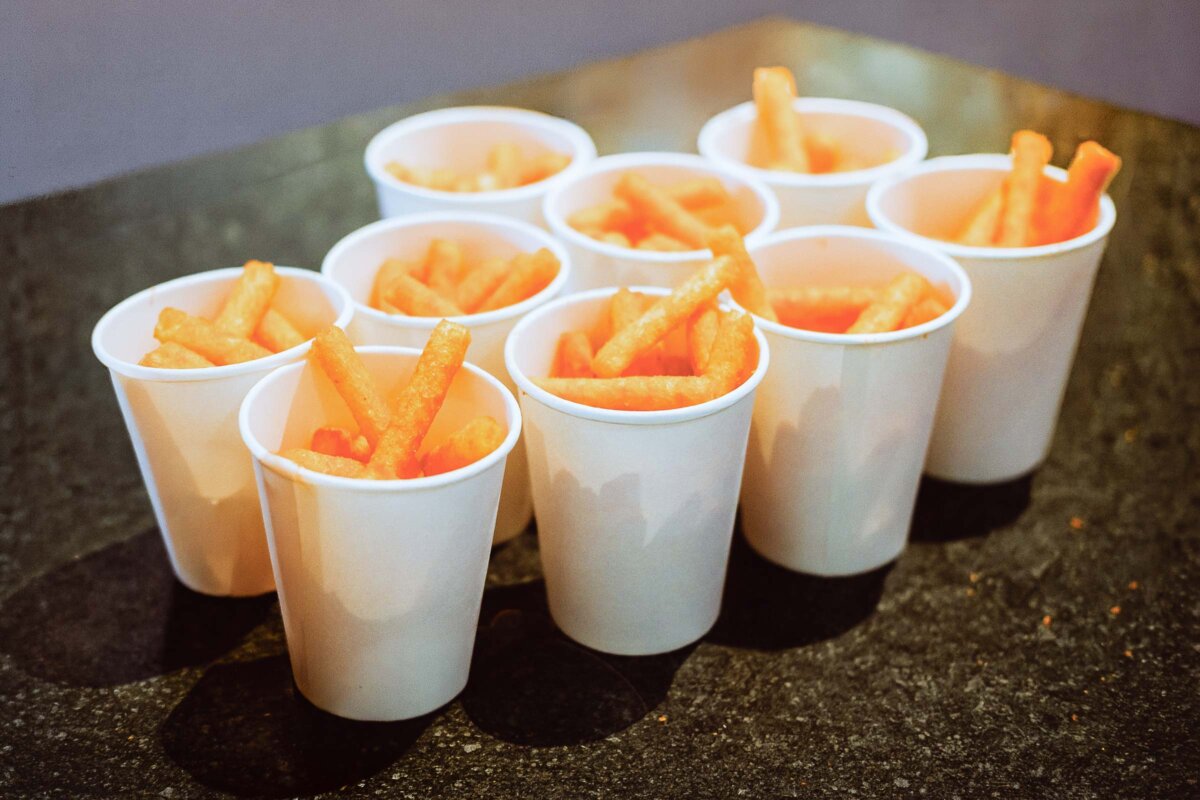
The number of servings of ultra-processed food you eat directly affects your risk of cardiovascular disease, a recent study found. People who ate more than nine servings of these foods daily were 67 percent more likely to experience a major heart event, such as a heart attack, stroke, or death related to heart disease, than those who ate about one serving per day.
Food packages list the number of servings they contain. The size of each serving is decided by manufacturers and is not based on calories. One serving of ultra-processed food can mean two cookies, one can of soft drink, or half a microwave meal. A person can eat nine servings of ultra-processed foods either by having them as a meal or by snacking, drinking soft drinks, and eating desserts.
Ultra-processed foods include many packaged and convenience items such as chips, crackers, frozen meals, processed meats, sugary drinks, breakfast cereals, and breads.
First Large-Scale Study of Its Kind in US
The link between eating ultra-processed foods and cardiac events was stronger among black Americans than among other racial groups. Each additional daily serving raised heart risk by 6.1 percent among black participants, compared with 3.2 percent among non-black individuals.
Researchers used data from 6,814 U.S. adults aged from 45 to 84 who did not have known heart disease.
They assessed each person’s intake of ultra-processed foods using food questionnaires and classified foods based on the NOVA system, which sorts foods into four groups, ranging from completely unprocessed or minimally processed foods, such as corn on the cob, to ultra-processed items, such as corn chips.
Researchers followed these participants for several years, recording whether any of them experienced cardiovascular events during that time.
Participants in the study with the highest intake averaged 9.3 servings of ultra-processed foods daily, while those in the lowest group averaged just 1.1 servings.
Elevated heart risk persisted even after researchers controlled for calorie intake, overall diet quality, diabetes, high blood pressure, high cholesterol, and obesity, suggesting that the processing itself, not just the nutritional profile, may matter.
“The key takeaway is that higher consumption of ultra-processed foods is significantly associated with heart disease risk,” study lead author Dr. Amier Haidar, a cardiology fellow at the University of Texas Health Science Center at Houston, told The Epoch Times.
It’s Not Just Calories
Ultra-processed foods might contribute to heart risks through mechanisms beyond just excess calories or poor diet, Haidar said. Factors such as high energy density, added sugars and fats, and the effects of these foods on metabolism and inflammation may play a role.
Higher intake is associated with metabolic dysfunction, including insulin resistance and increases in body fat, both of which are key drivers of cardiovascular risk, he added.
“Ultra-processed foods often contain additives such as emulsifiers, preservatives, and artificial ingredients that may disrupt the gut microbiome and promote systemic inflammation,” Haidar said. “Together, these pathways suggest that ultra-processed foods influence cardiovascular risk through mechanisms that are not fully captured by traditional measures of diet quality alone.”
Reasons for Caution
The study’s reliance on self-reported food intake introduces potential inaccuracy. Also, the study was not designed to isolate specific types of ultra-processed foods; it can’t say whether frozen pizza is more dangerous than a diet soda or whether some subcategories might carry lower risk than others.
“Most studies, including ours, are not specifically designed to evaluate individual categories of ultra-processed foods,” Haidar said. “As a result, when you begin to break ultra-processed foods into smaller subgroups, you often lose statistical power and may introduce bias.”
There is also currently no universally standardized way to classify specific types of ultra-processed foods across studies, further complicating comparisons, he said.
One should pay attention to food labels and choose less-processed foods, Haidar said. The ingredients list can provide information about added sugars, salt, and fats, which tend to be higher in ultra-processed foods.
Overall Diet Quality Matters
Lindsay Malone, an instructor with the Department of Nutrition at the School of Medicine at Case Western Reserve University who was not involved in the study, told The Epoch Times that a healthy eating pattern is built on mostly whole and minimally processed foods such as vegetables, fruits, beans, whole grains, nuts, seeds, and quality protein sources.
When these foods form the foundation of the diet, there is naturally less room for highly processed options, she said.
“I often encourage people to start by choosing more single-ingredient foods at the grocery store—foods like apples, cucumbers, oats, beans, eggs, and chicken,” Malone said.
Eating well doesn’t have to mean cooking complicated meals.
“Many convenient foods are actually minimally processed,” she said. “Frozen fruits and vegetables, canned beans, oats, pre-cooked rice, canned legumes, tuna, and pre-washed salad greens make it easy to build quick, balanced meals.”
For snacks, she recommends pairing protein with produce to keep energy stable and improve satiety. Some examples she gave are baby cucumbers with dry roasted nuts or seeds, apples or clementines with turkey sticks, and low-sugar Greek yogurt with fruit.
“Also consider whether you are hungry,” Malone said. “If you aren’t hungry enough to eat real, whole foods, maybe you aren’t hungry enough to have a snack. The question to ask may not be ‘What is the best snack?’ but ‘Do I need a snack?’”