



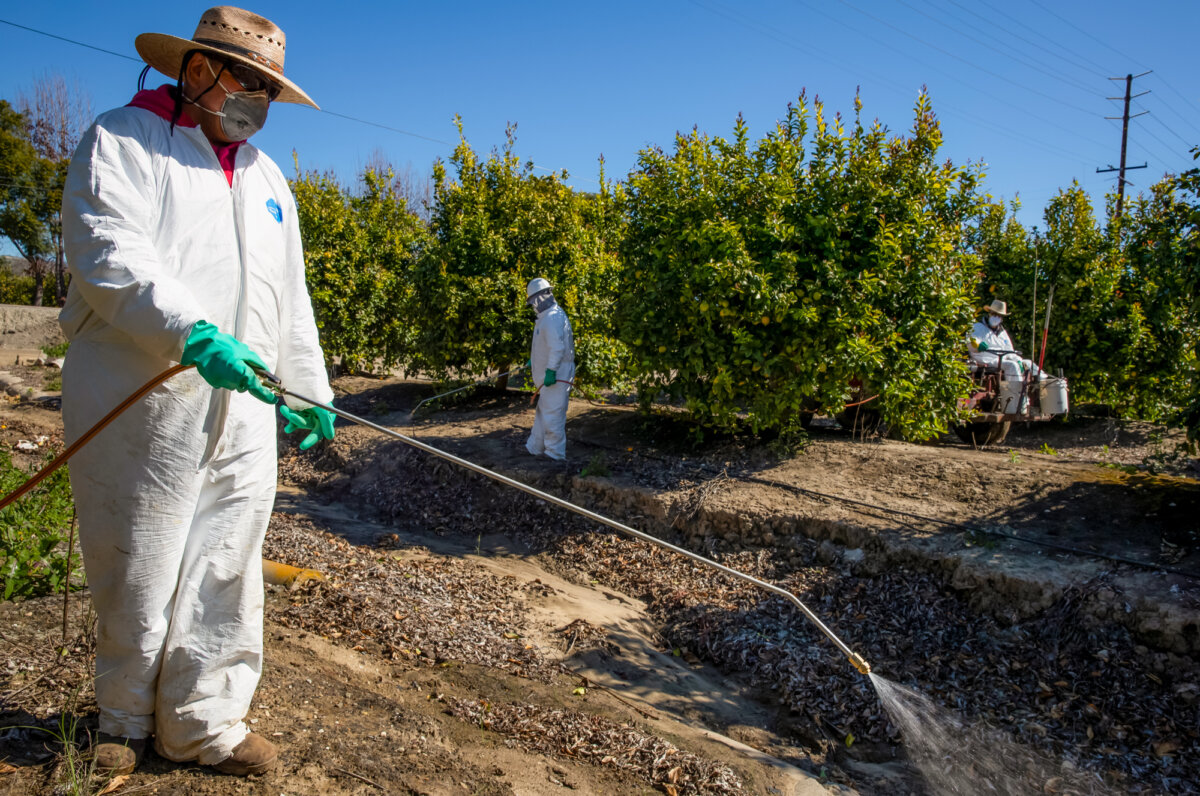
The Environmental Working Group (EWG) released the “Dirty Dozen” list, detailing 12 fruits and vegetables sold in the United States with high pesticide content, which can potentially result in harms such as cancer, nervous system toxicity, and hormone disruption, the group said in a March 26 post on Facebook.
The Dirty Dozen list is part of EWG’s 2026 Shopper’s Guide to Pesticides in Produce guide, which analyzes data from the Department of Agriculture’s tests of 47 fruits and vegetables, EWG said in a March 24 statement.
Of the samples tested on the Dirty Dozen list, 96 percent contained pesticides, with 203 different pesticides detected across these crops.
Spinach topped the Dirty Dozen list with more pesticide residues by weight than any other type of produce.
At the second spot was kale, collard, and mustard greens, with “more than half of kale samples tainted by possibly cancer-causing pesticide.” Strawberries took third place. The average American consumes about 8 pounds of fresh strawberries annually.
Grapes were at the fourth spot, followed by nectarines, peaches, cherries, apples, blackberries, pears, potatoes, and blueberries. Ninety percent of potatoes contained a sprout inhibitor that has been banned in the European Union due to concerns about its health impacts.
In the Dirty Dozen samples, 63 percent contained per- and polyfluoroalkyl substances (PFAS), a group of man-made chemicals also known as “forever chemicals.” Exposure to PFAS has been linked to severe chronic health problems such as cancers, immune system challenges, and fertility issues.
Among the 47 fruits and veggies assessed, the most frequently detected pesticide was fludioxonil, a PFAS fungicide linked to potential health issues. Fludioxonil residue was detected in 14 percent of all samples.
“Consumers have a right to know what’s on their food,” EWG science analyst Varun Subramaniam said.
“This year’s findings underscore the presence of PFAS pesticides in the food supply. At the same time, the guide shows there are simple steps shoppers can take to reduce exposure while still eating plenty of fruits and vegetables.”
EWG recommended consumers buy organic versions of produce on the Dirty Dozen list. It advised washing all fruits and vegetables thoroughly. Frozen produce can be considered an affordable alternative. The group suggested choosing produce from its “Clean Fifteen” list.
The Clean Fifteen details the 15 vegetables and fruits with the lowest pesticide levels. Pineapples topped the list this year, followed by fresh and frozen sweet corn, avocados, papaya, onion, frozen sweet peas, asparagus, cabbage, cauliflower, watermelon, mangoes, bananas, carrots, mushrooms, and kiwi.
Pesticide Contamination, Trump Order
A 2024 report from Consumer Reports analyzing data on 59 common fruits and vegetables sold in the United States found that one in five tested items had a high risk of pesticide contamination.
The reliance on pesticides in U.S. agricultural practices means that chemicals are now essentially unavoidable in produce.
A 2021 report from the Food and Drug Administration detailed the results of the agency’s analysis of 1,367 human food samples, finding that only 35 percent of domestic samples and 44.5 percent of imported samples had no detectable pesticide residues.
According to the Environmental Protection Agency, the negative health impacts of pesticides depend on their type.
“Some, such as the organophosphates and carbamates, affect the nervous system. Others may irritate the skin or eyes. Some pesticides may be carcinogens. Others may affect the hormone or endocrine system in the body,” the agency said on its website.
Meanwhile, President Donald Trump signed an executive order on Feb. 18 declaring glyphosate, an herbicide used in food production, a critical component of ensuring America’s food security.
Glyphosate has been criticized by supporters of the Make America Healthy Again movement. Thousands of lawsuits have been filed across the country, claiming exposure to the herbicide causes several types of cancer.
In his order, Trump said there was no viable alternative to glyphosate and that an adequate supply of it was crucial to the country’s domestic production.
On Feb. 22, Health Secretary Robert F. Kennedy Jr. agreed with the president in a social media post. While admitting that pesticides and herbicides are toxic, Kennedy said that “unfortunately, our agricultural system depends heavily on these chemicals.”
Trump’s order protects national defense and the country’s food supply, the health secretary said, adding that the administration was looking to shift from the current agricultural system without destabilizing the food supply.