



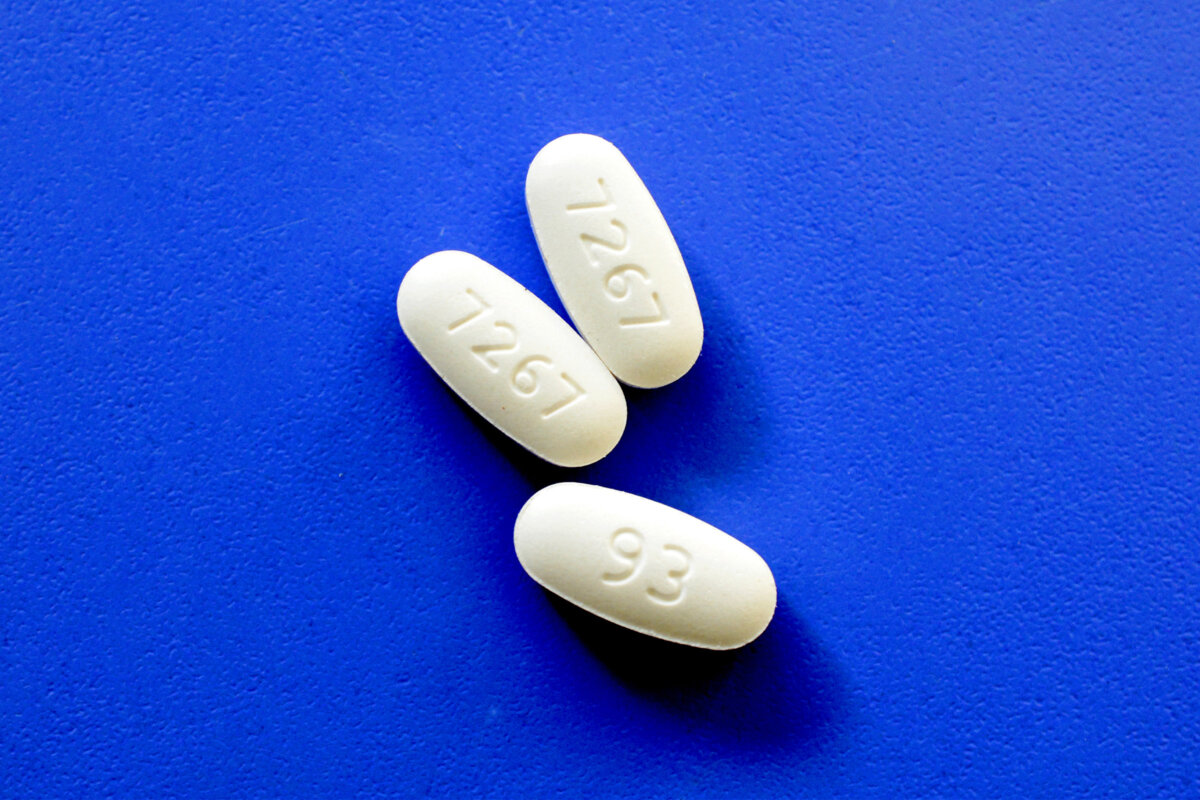
Using a common diabetes pill while hitting the gym might actually dampen some of the benefits you get from exercise, according to a new study.
Research involving more than 800 patients has found that people who take the diabetes drug metformin while following structured exercise see measurably smaller gains in cardiovascular fitness and blood pressure than those who exercise without the drug—a finding that raises questions about whether pairing these two approaches always delivers optimal results.
The comprehensive analysis, published in The Lancet eClinicalMedicine, pooled data from nine controlled trials involving 827 adults with varying degrees of blood sugar dysregulation, from prediabetes to Type 2 diabetes. Researchers compared outcomes in participants who exercised while being prescribed metformin to outcomes in those who exercised without the medication.
The findings revealed that adding metformin to exercise training was associated with modest but notable reductions in the improvements typically seen in fitness and blood pressure.
People taking metformin experienced about a one-unit smaller increase in peak oxygen consumption, an indicator of how well your body can use oxygen during intense exercise. Higher oxygen consumption indicates better heart health.
People taking metformin also saw about 4 millimeters of mercury less reduction in systolic blood pressure, which reflects the pressure in arteries during heartbeats. Reductions in diastolic blood pressure were about 2 millimeters of mercury smaller in the metformin group. Exercise helps lower blood pressure by strengthening the heart, making it more efficient at pumping blood, and reducing resistance.
Metformin Still Works
There was no significant difference between the groups regarding body weight, cholesterol levels, or blood sugar markers such as fasting glucose and glycated hemoglobin, suggesting that metformin’s core metabolic benefits remain intact.
Researchers suggest that metformin may interfere with some of the body’s natural adaptations to exercise, possibly by affecting mitochondrial signaling, redox pathways, and vascular responses that are essential for improving cardiovascular health. In plain terms, the drug may alter how cells generate energy, respond to oxidative stress, and regulate blood vessel function in response to physical exertion—all critical for training benefits.
Despite its widespread use, these findings suggest that co-prescribing metformin and structured exercise might not always be the best strategy for maximizing health gains.
The study authors highlighted the importance of clinicians monitoring blood pressure and fitness levels more closely when patients are on both therapies, to tailor individualized treatment plans.
What Doctors Are Saying
The findings reveal a “dissociation” between the drug’s intended purpose and its effect on exercise adaptation, Dr. Victoria Finn, an endocrinologist with Medical Offices of Manhattan and a contributor to LabFinder.com, told The Epoch Times.
“These findings don’t completely change our approach to diabetes prevention,” she said. “But they remind us that metformin and physical exercise are not a universal combination for every patient.”
Finn emphasized that exercise remains a foundation of care for people at risk of diabetes. It improves insulin sensitivity, decreases insulin resistance, reduces weight and blood pressure, and boosts overall cardiovascular fitness and long-term metabolic health.
She recommends prioritizing lifestyle changes first—a combination of cardio and resistance training, nutrition improvements, weight reduction, and sleep optimization—before deciding whether to add metformin.
“I wouldn’t overreact to these findings,” Finn said. “Metformin remains a beneficial and well-studied option for higher-risk patients as an add-on to an exercise routine. But it should not be viewed as a replacement for lifestyle modification.”
Preventative measures should be individualized, she said, noting that diet and exercise should be prioritized and treated as primary therapeutic interventions on their own.
What This Means for Treatment
The study authors recommend considering exercise-first approaches or adjusting the timing and dosing of metformin to avoid dampening the benefits of physical activity. They also call for closer monitoring of blood pressure and fitness levels in patients on both therapies.
Beyond exercise, Finn said, nutrition changes and sleep optimization can be “powerful tools” for improving insulin resistance, and only after making these lifestyle changes should a decision be made with a doctor about whether to add metformin to enhance benefits.
For patients and providers seeking alternatives, Finn noted that glucagon-like peptide-1 receptor agonists and sodium-glucose cotransporter-2 inhibitors are available options.
“[Glucagon-like peptide-1] receptor agonists are particularly beneficial for weight loss and reducing cardiometabolic risk,” she said. “[Sodium-glucose cotransporter-2] inhibitors, on the other hand, are advantageous for protecting the cardiovascular and kidney systems.”
However, she added that these medications are not direct substitutes for metformin.
“They may have their own indications and contraindications that should be carefully discussed with your healthcare provider,” she cautioned.
Although the differences between those who did use metformin and those who didn’t were relatively small, this study challenges assumptions that combining the two therapies will always produce synergistic effects.