




The Department of Agriculture said no further screwworm infestations have been detected after the first confirmed case of the flesh-eating parasite on a U.S. farm in decades.
New World screwworm is a pest that affects livestock, pets, wildlife, and, less commonly, people and birds. The screwworm maggots burrow into the flesh of living animals, causing serious damage to livestock and economic losses.
The Department of Agriculture and Animal and Plant Health Inspection Service (APHIS) on June 3 confirmed the detection of a New World screwworm (NWS) in a bovine in Zavala County, Texas.
The affected animal is a 3-week-old calf, and larvae were identified in its umbilical area. To date, there have been no further detections.
The federal agency and Texas officials halted the movement of animals in a 12.4-mile infested zone around the detection and implemented quarantines, movement controls, and surveillance in this area.
U.S. Agriculture Secretary Brooke Rollins told reporters on a June 4 call: “If we all work together and follow these treatment and movement restriction guidelines, there is no reason to believe that this incursion will result in any sort of establishment of the pest on our side of the border.”
Rollins earlier told U.S. lawmakers that the Agriculture Department believed it could contain the case, the first in Texas since 1966, and said screwworm is not a food safety threat.
Screwworms were eradicated from the United States in the 1960s when researchers began releasing large numbers of sterilized male screwworm flies that mated with wild female screwworms, producing infertile eggs.
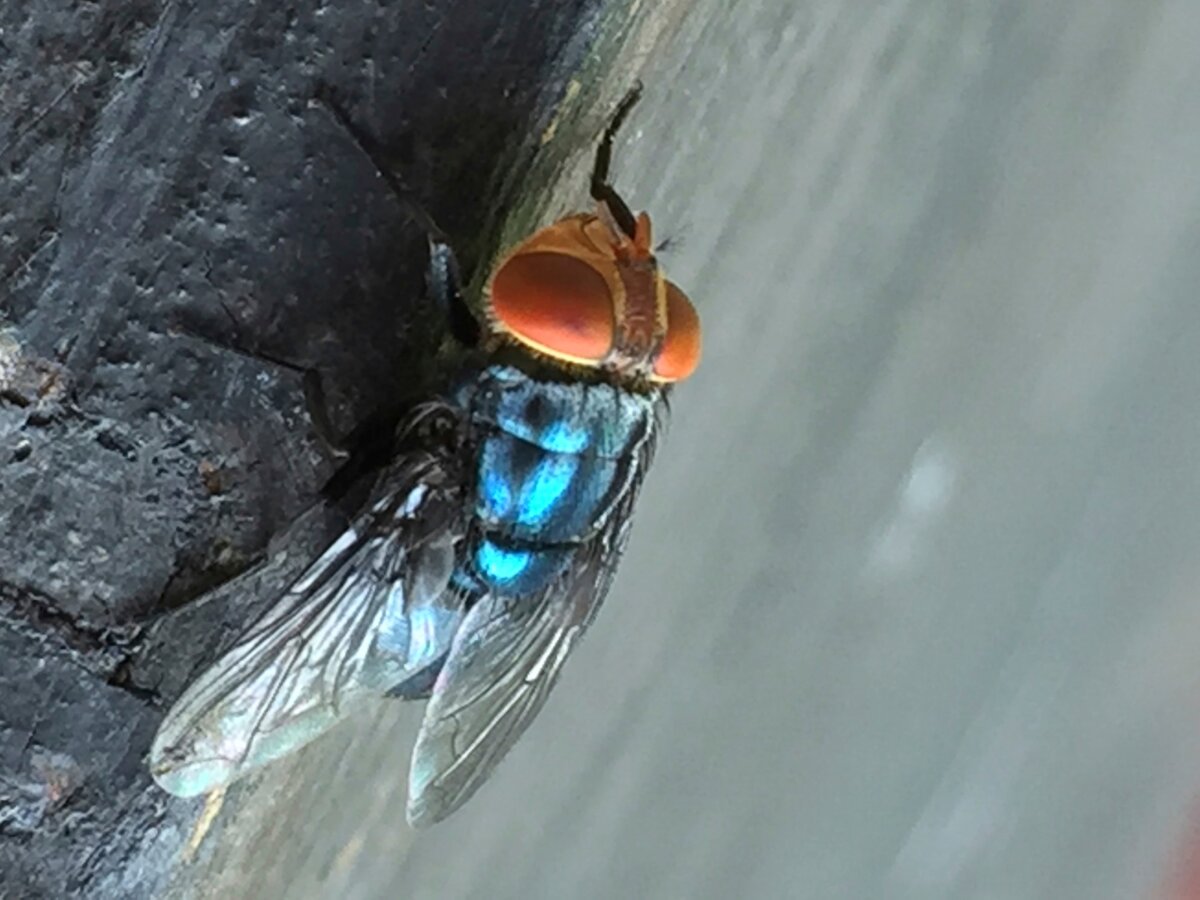
Screwworms cannot fly more than 12 miles on their own, but they can cover large distances while burrowed inside their hosts, said Sonja Swiger, entomologist at Texas A&M University. The flies have already passed through the narrowest stretches of land in Panama and Mexico, meaning exponentially more sterile flies need to be released to control the outbreak.
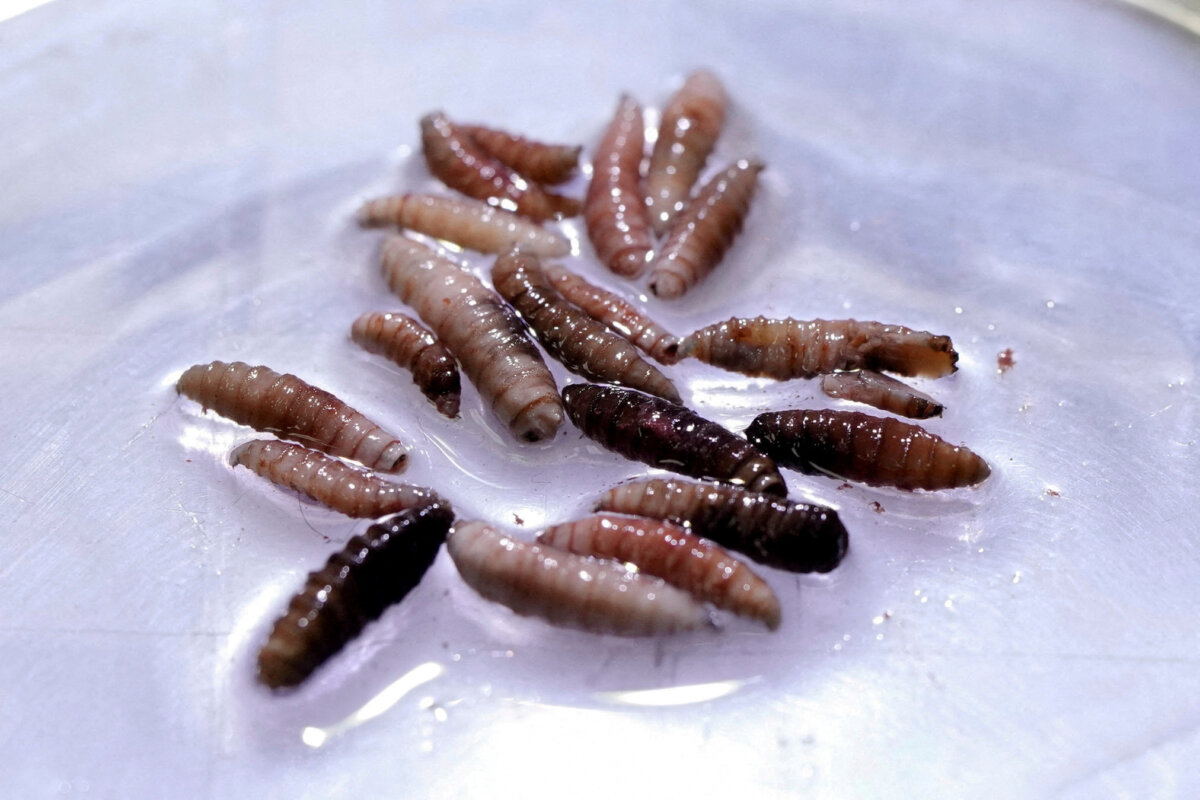
A factory designed to breed and sterilize screwworms in Panama is releasing 100 million sterile flies every week, but experts say more factories would have needed to come online quickly to choke off the fly’s spread north.
A production facility for sterile flies in Texas is not expected to open until late 2027. USDA completed a sterile fly dispersal facility in the state in February.
“All models showed New World Screwworm entering the country in 2025; however, thanks to the hard work across the entire Trump administration and our industry, state, and local partners, we were able to buy time for this moment. Protecting our livestock industry is a national security issue of the utmost importance, and USDA is wasting no time in taking action,” Dudley Hoskins, the Department of Agriculture’s under secretary for marketing and regulatory programs, said.
“USDA invested heavily in the tools needed to eliminate NWS ever since cases started increasing in Central America and Mexico. The United States has defeated this pest before, and we will do it again.”
The Department of Agriculture has estimated a screwworm outbreak would cost the Texas economy $1.8 billion in livestock deaths, labor costs and medication expenses.
David Anderson, livestock economist at Texas A&M University, said, “This is a pest we don’t want back. This is a bad thing. I can’t imagine having to deal with that. It’s gross.”
Reuters contributed to this report.