



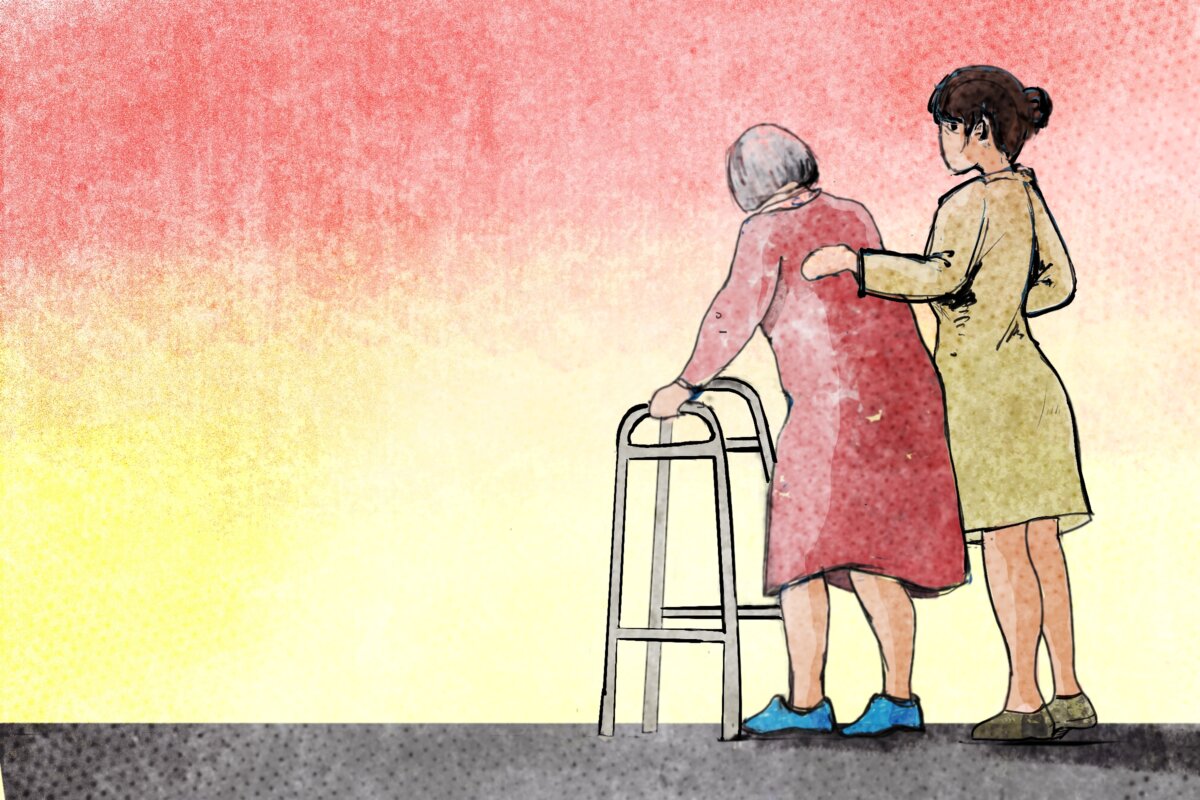
More of us are now caring for our aging parents or an aging spouse, a responsibility that comes with rewards and risks.
The reward is that, when caring for a parent, it’s often our best chance to really get to know them well, adult to adult. We can create new memories and find a connection we may never have found before.
It is also a meaningful act of service that connects us to a natural cycle of human life. Just as parents care for their children, so do children care for their parents as they age.
In more traditional cultures, aging parents are also important support as grandparents, helping parents wrestle with the demands of new children.
In terms of a spouse, caregiving can be a culmination of our love and connection, difficult though it may be.
But the risks caregivers face are also significant. As people live longer, and dementia and chronic disease become more common, the challenges of caregiving also increase. Add to that our increasingly busy lives and ever-shrinking social networks and many caregivers are left feeling alone and overwhelmed.
For those caring for aging parents or others, it’s important to follow the advice of flight attendants: Put your own mask on first. You cannot care well for others if you can’t care for yourself, a point made by many experts in the field.
“Caregiver responsibilities can lead to far more than physical exhaustion. The demands can create a tug on emotional, mental, and physical health and compound the burdens they put on their bodies.
At least 40 percent of caregivers display symptoms of depression, according to the Family Caregiver Alliance, and those who take care of someone with emotional or mental health problems are more likely to report a decline in their own health. About 40 percent of those caring for someone with dementia suffer from depression, more than double the rate in their peers who aren’t caregiving,” writes Epoch Times health reporter Amy Denney.
Caregivers therefore need to be attuned to their own well-being and attentive to changes such as confusion, mood swings, and forgetfulness.
“Your own mental health and physical health is in the balance,” Lori Schlosser, host of the Blessed in this Mess Podcast for caregivers, told Ms. Denney.
Ms. Schlosser reminds caregivers to slow down and simplify their lives; appreciate the time they spend with the loved one they are caring for; and avoid people and activities that leave them feeling drained. She also encourages caregivers to remember to care for themselves.
According to the Caregiver Action Network (CAN), more than 90 million Americans currently care for loved ones facing everything from disabilities, to chronic disease, to the everyday challenges of advanced age. That makes advice like Ms. Schlosser’s all the more important.
If you’re a caregiver and feeling a bit strained by the additional responsibilities, there are organizations that offer insight and assistance, including CAN and the Alzheimer’s Foundation of America. There is also an effort to get caregivers to care for themselves known as Caregiver Monday.
If you are caring for a loved one, do check out those resources and don’t forget that your well-being is essential.
Views expressed in this article are the opinions of the author and do not necessarily reflect the views of The Epoch Times. Epoch Health welcomes professional discussion and friendly debate. To submit an opinion piece, please follow these guidelines and submit through our form here.