


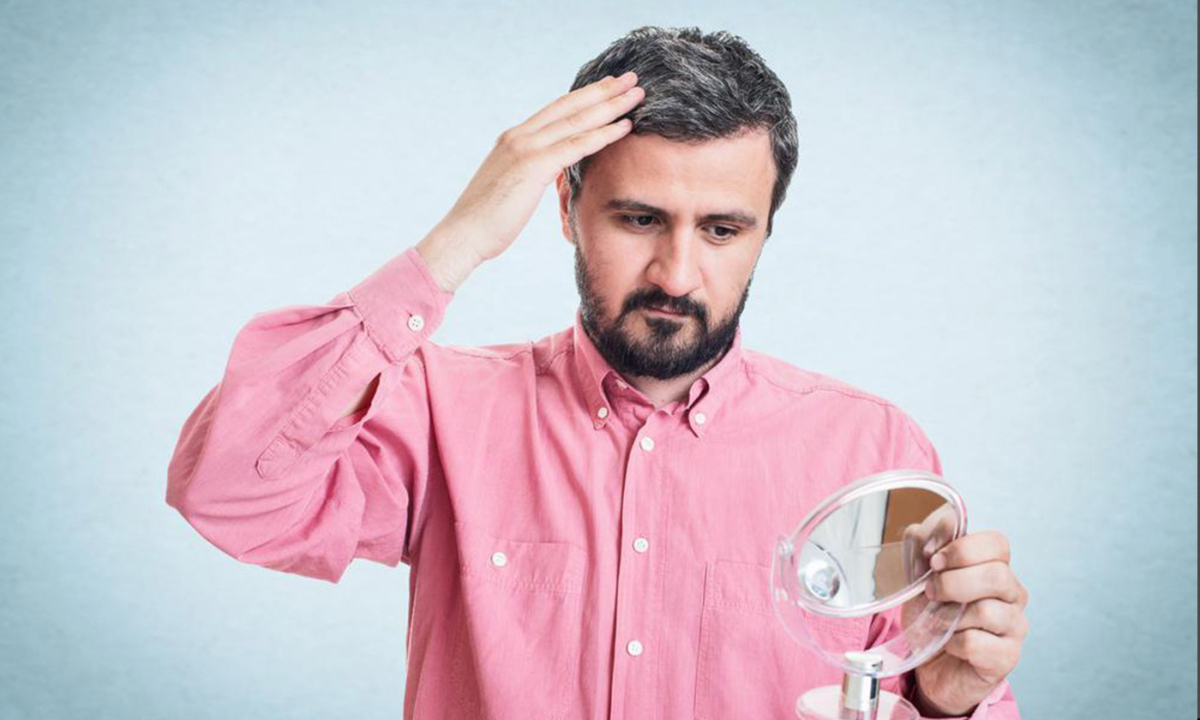
Having white hair can make people feel old. Many dye their hair to conceal the white, but frequent dyeing can be potentially harmful. Why do some have more white hair than others? Is it possible to return white hair to its original color? In an interview with The Epoch Times, Ms. Chen Junru, director of Taiwan Wonderful TCM Clinic, stated that adequate nutrition and removing free radicals and waste are crucial for reversing white hair.
Hair Structure
Hair has the following three layers:
- Cuticle: The outermost layer’s primary function is to protect the hair’s inner structure.
- Cortex: The middle layer controls the hair’s strength and elasticity and contains melanin, which determines hair color.
- Medulla: The medulla is the innermost core, but not all hair contains this layer.
The hair follicles contain melanocytes responsible for producing melanin, the pigment that gives hair its color. As one ages, melanocyte activity decreases, resulting in reduced melanin production, leading to white hair.
Is it possible to turn white hair back to its original color?
Ms. Chen said that the causes of white hair may be related to genetics, age, stress, or excessive attack of free radicals on melanocytes, primarily due to certain energy deficiencies in the body. If the white isn’t the result of genetics, it may be possible to reverse it.
To turn white hair back to its original color, one must ensure adequate nutrition throughout the body to nourish the hair. Surplus nutrients can naturally restore hair by replenishing the relevant energy, turning it from white to its original color. Ms. Chen said she encountered some patients in clinical practice who grew their natural hair color again after improving their overall health.
Relation Between White Hair and Organ Imbalances
Aging is a natural process of hormonal changes in the human body. Ms. Chen pointed out that although aging is generally considered irreversible, TCM can slow the aging process through kidney nourishment. TCM treatments for kidney nourishment include the following:
- Eight-Ingredient Rehmannia Pill.
- Golden Chamber Pill for Tonifying the Kidney.
- Left Kidney-Restoring Pill.
- Right Kidney-Restoring Pill.
- Tortoise Shell and Deer Horn Two Immortals Glue.
For white hair caused by stress, Ms. Chen said TCM emphasizes the importance of soothing the liver and regulating qi to reduce liver stagnation. This approach can help improve mood, reduce stress, and enhance sleep quality, allowing the body to repair itself during sleep and expel harmful substances.
Ms. Chen emphasized that the body cannot produce immediate results; repair takes time. However, with proper health maintenance, the rate of degeneration will undoubtedly slow.
According to TCM, white hair is closely related to the health of the internal organs. Chinese medical theory holds that the liver stores blood, and hair is the residue of blood. This means the liver stores blood supplied to other organs before nourishing the hair.
A healthy spleen and stomach are also crucial for nutrient absorption. The body’s nutritional needs may not be met if the spleen and stomach are imbalanced. Cultivating good daily routines and dietary habits can help improve spleen and stomach function and promote hair health.
Veteran TCM physician Shu Rong once told The Epoch Times that the location of white hair can reflect the health status of different organs. For example, white hair:
- On the forehead may indicate spleen and stomach imbalances and excessive worrying.
- At the temples may reflect liver and gallbladder dysfunction.
- At the back of the head may be due to insufficient kidney qi or other chronic health issues.
In TCM, the human body has a meridian system through which the internal organs are connected to various body parts. Meridians are channels for energy circulation, transporting qi and blood throughout the body. Qi is the energy or power that constitutes life within the body, and in TCM, all nutrients that supplement the body are collectively referred to as blood. The circulation of qi and blood maintains the balance and stability of various tissues and organs. When there is an imbalance or deficiency of qi and blood in the body, diseases or other conditions may occur.
Nourishing Hair Requires Proper Nutrition
Ms. Chen suggested that people follow the nourishing and replenishing blood concept in TCM for hair care. This can be achieved using Chinese medicinal herbs such as Diel’s millettia, Ecliptae herba, donkey-hide glue, black sesame, and fleeceflower root. Alternatively, one can approach it from a nutritional perspective by supplementing hair with essential nutrients such as vitamin B, folic acid, protein, iron, zinc, cobalt, etc. Employing a combination of these approaches can be beneficial.
Ms. Chen also said that a lack of proper nutrition due to a poor diet can lead to hair loss. One common scenario she encounters in her clinic is women experiencing significant hair loss during their menstrual periods due to excessive blood loss, which often results from insufficient nutritional replenishment.
She recommends hair-nourishing porridge and tea to help individuals achieve beautiful, healthy hair.
Mulberry and Goji Berry Soup
Ingredients: Mulberries, goji berries
Method: Wash ingredients and blend them with warm water to make juice or boil them to make soup.
Kidney- and Hair-Nourishing Porridge
Ingredients: Solomon’s seal (0.70 ounce), Ecliptae herba (0.70 ounce), Chinese dates (0.70 ounce), Ophiopogon tuber with core removed (0.70 ounce), rice (5.64 ounces), and pork ribs (21.16 ounces).
Method:
- Wash the ingredients. Slice the dates and cut the Solomon’s seal into small pieces.
- Put all the ingredients into a pot, add enough water (covering the ingredients), boil over high heat, then simmer over low heat until the porridge is cooked.
Hair Strengthening Requires the Body to Self-Cleanse
In addition to energy and nutrition, the body’s self-cleansing ability to eliminate harmful free radicals is crucial.
Ms. Chen pointed out that the origin of all diseases in the body is related to circulation. Stress, negative emotions, and the environment contribute to increased free radicals in the body, leading to harm.
She emphasized that moderate exercise is the best way to accelerate blood circulation and enhance the body’s self-cleansing ability. Exercise can also improve sleep quality and boost the body’s repair capabilities.
Furthermore, Ms. Chen suggests scalp massage to improve blood circulation in the head and reduce hair loss caused by stress-induced baldness.
TCM posits that meridians function as channels for energy flow in the human body. There are 12 main meridians corresponding to 12 internal organs. Acupoints are specific points along these meridians that have particular functions. Specific organ-related diseases can be treated by stimulating the corresponding acupoints through acupuncture, massage, etc.
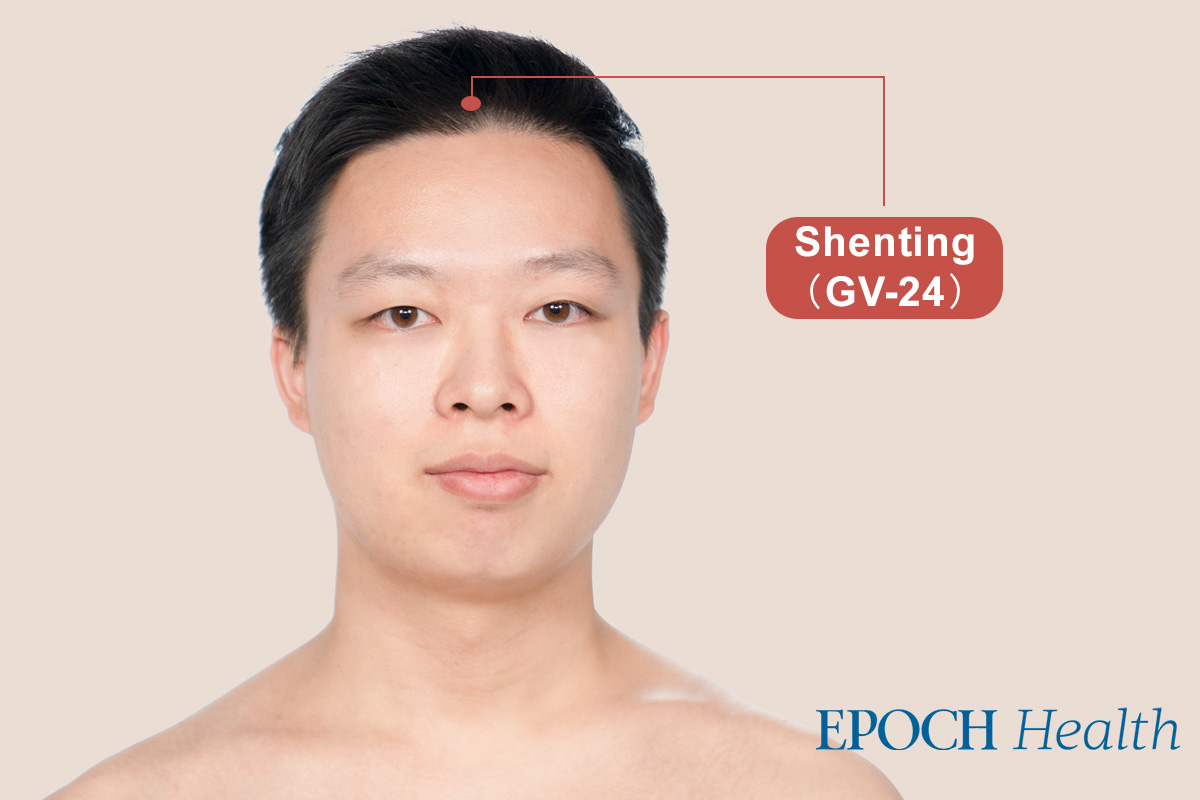
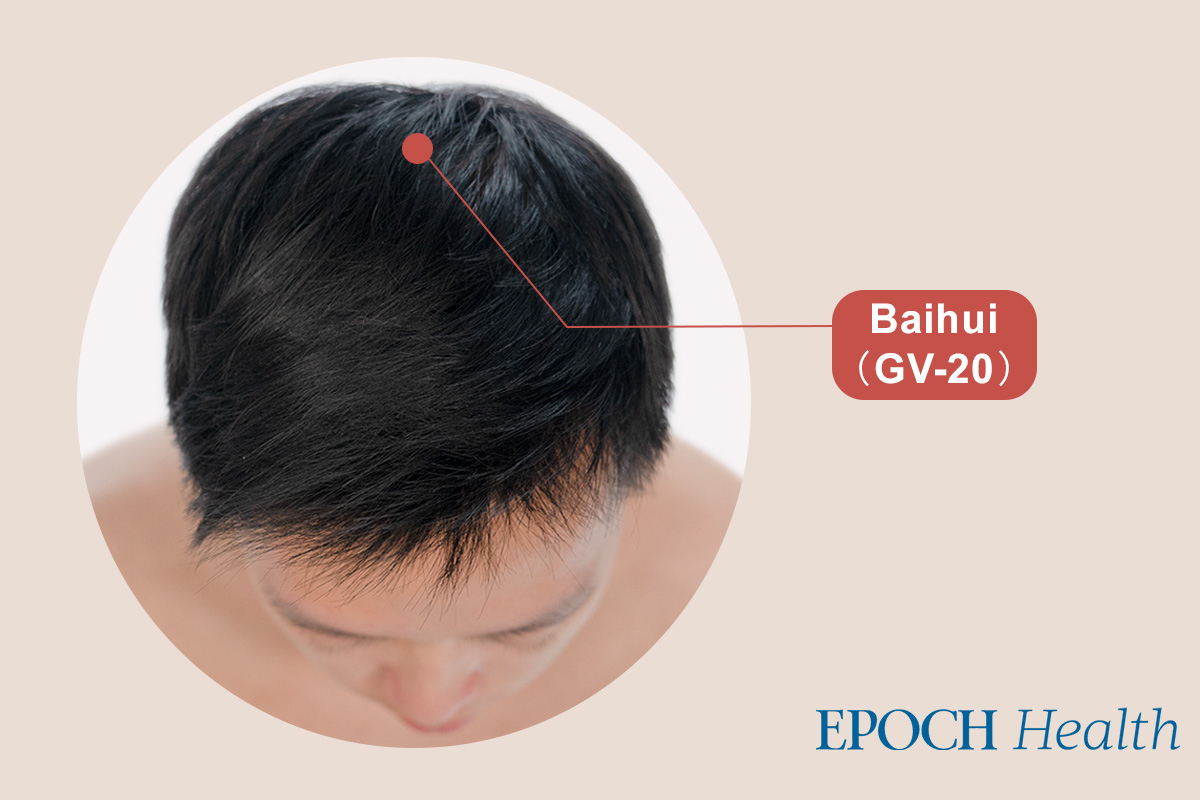
The scalp has many acupoints for hair nourishment. Massaging Shenting (GV 24), Baihui (GV 20), Fengchi (GB 20), Tianzhu (BL 10), and Jiaosun (SJ 20) acupoints can help prevent hair loss and promote hair health.
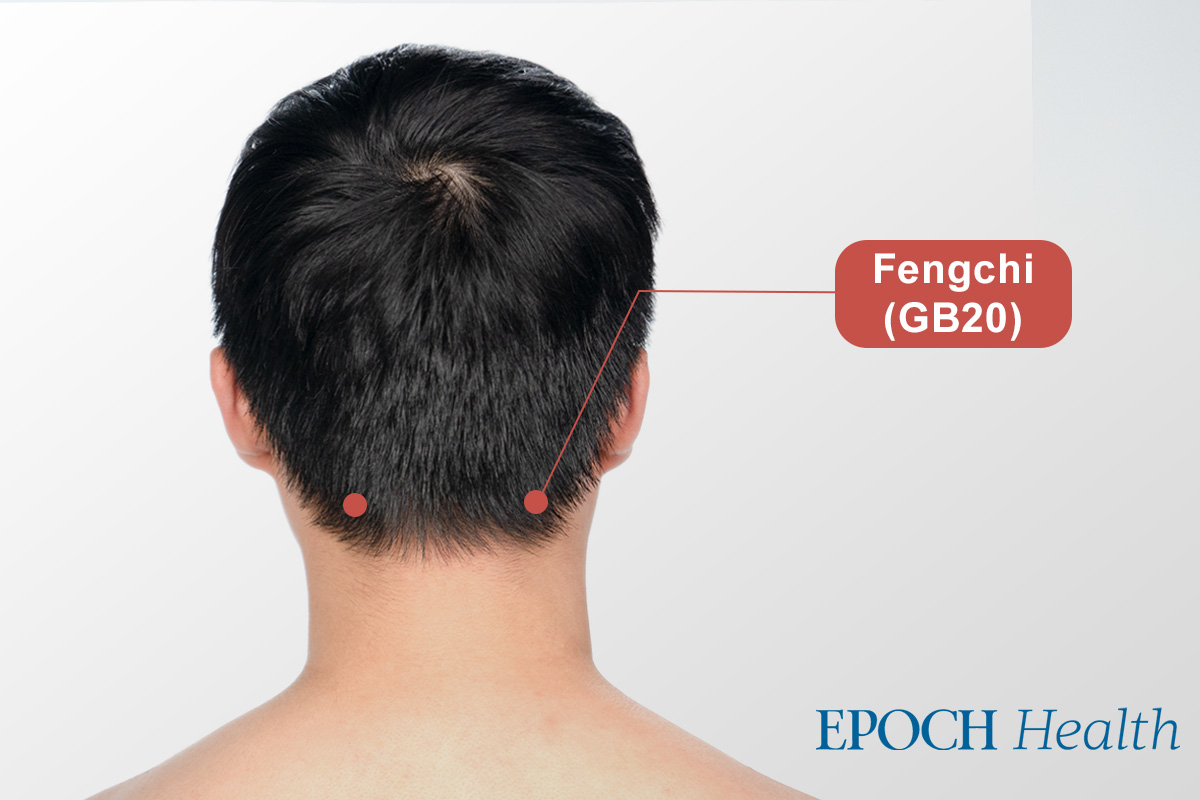
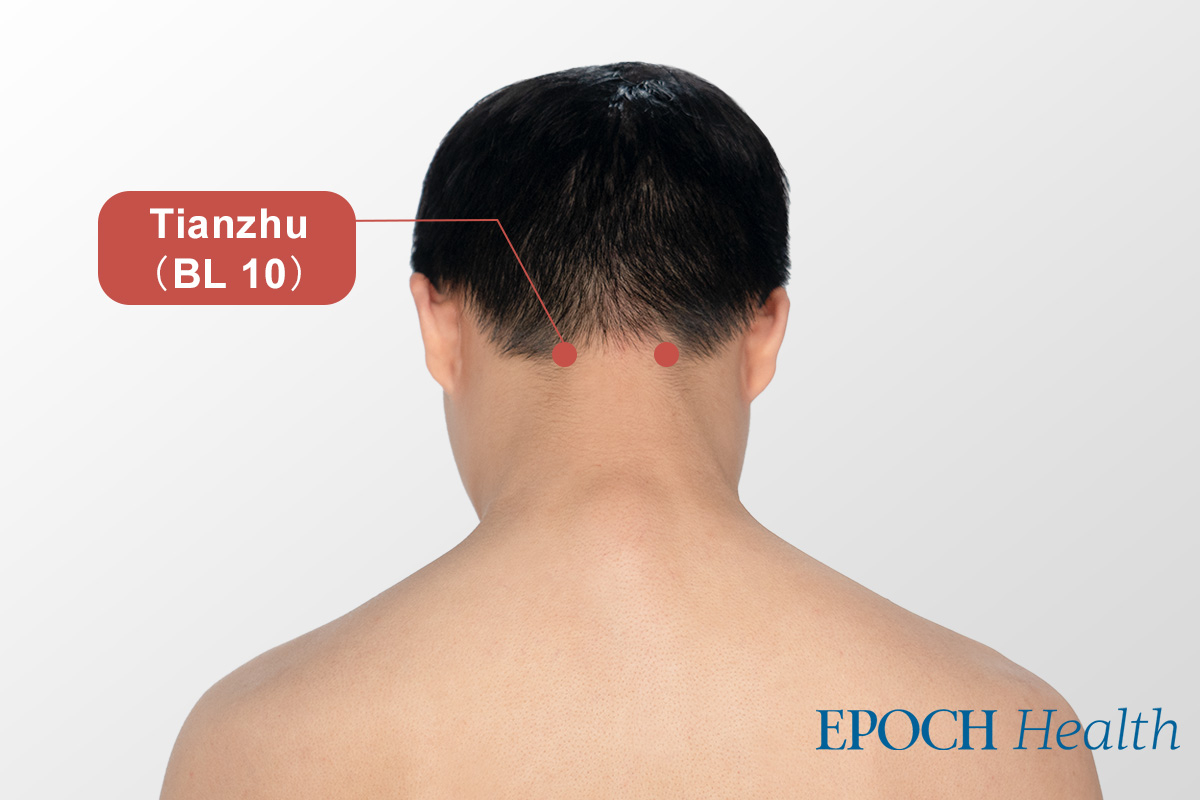
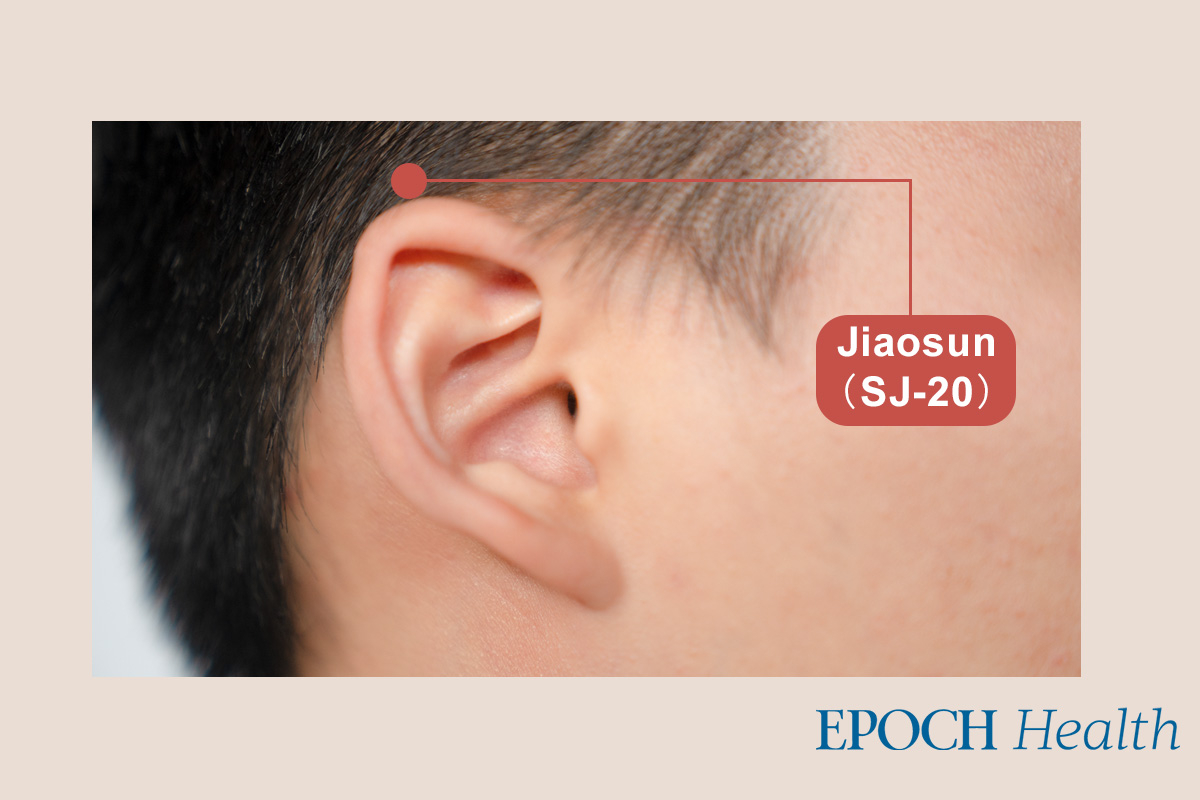
Apart from self-massage, a massage comb for scalp massage is also effective.
A massage comb involves combing from different angles, starting from the hairline and combing up to Baihui (GV 20) at the top of the head. Additionally, one can comb horizontally from both ears, stimulating the acupoints around the ears and above the neck.
This scalp massage technique helps promote scalp blood circulation, relieve headaches, and even reduce facial swelling.
*Note: Although some herbal ingredients may sound unfamiliar, many can be found in health food and Asian grocery stores. The corresponding treatment methods may also vary since each person’s constitution differs. It is advisable to consult with a professional physician for a specific treatment plan.