



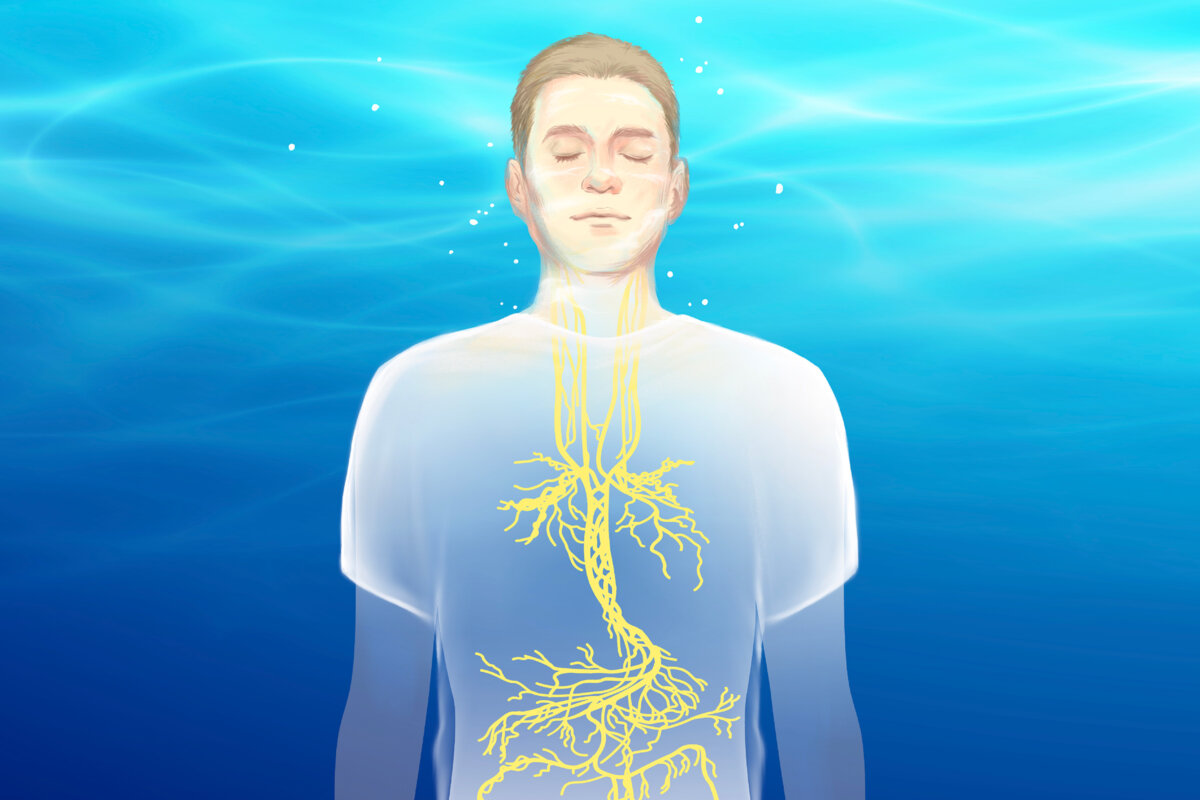
The diving reflex is an automatic physiological response triggered when you immerse your face in cold water or hold your breath. It can have fascinating and practical effects: slowing the heart, conserving oxygen, and even calming the body.
This reflex isn’t just a curiosity; it has real-world applications, from helping people dive deeper underwater to assisting doctors in managing certain heart rhythm problems.
What Causes the Diving Reflex?
The diving reflex is an automatic physiological reaction that helps the body conserve oxygen during submersion in water. When one holds one’s breath underwater, oxygen is gradually depleted from the blood without being replenished—a state known as hypoxia. Because the brain and heart are especially sensitive to low oxygen levels, the body prioritizes delivering oxygen to these vital organs, while extremities such as the arms and legs can better tolerate reduced oxygen supply.
When the face is submerged in cold water, specialized sensors in the skin stimulate the trigeminal nerve, which is the fifth of 12 pairs of cranial nerves responsible for perception across the face. This nerve sends signals to the brainstem, which enhances the vagal tone and activates the vagus nerve, the 10th cranial nerve and a key component of the autonomic nervous system responsible for regulating involuntary functions such as heart rate and breathing.
The diving reflex is like a built-in survival mode that protects your vital organs and helps your body stretch every last breath, like a natural underwater superpower. Its result is a coordinated, three-part physiological response:
- Heart Rate Slows (Bradycardia): The vagus nerve acts as the body’s natural braking system, reducing how hard the heart has to work and reducing its oxygen demand to conserve available oxygen. Often, as your heart rate slows, your body begins to feel more relaxed.
- Blood Is Redirected to Vital Organs: Blood is funneled to the brain, heart, and chest, to ensure oxygen goes to where it’s needed most. Blood vessels in the arms and legs constrict, funneling blood toward the organs least able to tolerate oxygen deprivation. This can sharpen thinking, boost energy, improve movement, and enhance overall function. Simultaneously, water pressure against the body pushes blood from the limbs toward the chest in a process called blood shift. For people who deep dive, this also helps protect the lungs from pressure damage.
- Oxygen-Carrying Capacity Increases: The diving response boosts your blood’s oxygen-carrying capacity by tapping into the spleen, which stores a reserve of red blood cells. Although the spleen can contract almost instantly, trained divers gradually increase its size over weeks, enhancing oxygen reserves even further.
During the diving reflex, the spleen contracts and releases red blood cells into circulation, increasing the blood’s oxygen-carrying capacity. This adaptation is particularly striking in the seaborne Bajau people in Southeast Asia, whose divers have spleens roughly 50 percent larger than those of their land-based neighbors. This enhanced oxygen-carrying capacity allows the Bajau people to stay underwater longer to make a living. Even for people who don’t dive, the spleen’s extra red blood cells can be released during the diving response, giving a temporary boost to oxygen supply that helps you stay alert, energized, and resilient during physical stress or low-oxygen situations.
The diving reflex is most powerfully activated when multiple triggers occur together. The main triggers include cold water immersion, facial wetness and pressure, breath-holding (apnea), and even airflow across the face in infants. Among these, cold facial immersion combined with breath-holding produces the strongest response in adults. In infants, the reflex can be triggered more easily—even by airflow across the face or simple facial submersion—without requiring breath-holding.
What Are the Benefits of Diving Reflex?
The diving reflex is central to the body’s ability to survive submersion. By reducing oxygen demand and concentrating blood flow where it matters most, it extends the window of time a person can remain underwater without harm.
In addition to oxygen conservation and vital organ protection in water, the diving reflex offers several other benefits, including:
1. Stress and Anxiety Relief
Activating the diving reflex produces effects that are almost the opposite of a panic response. It slows the heart, steadies breathing, and shifts the nervous system away from a “fight-or-flight” state. Because it’s a physical, automatic response, it works independently of conscious thought, making it useful even when anxiety interferes with deliberate calming techniques.
Specifically, it can help with:
- Panic Attacks: Counteracting the racing heart, shortness of breath, and dizziness that define a panic episode
- Acute Distress: Providing a practical, immediate intervention that requires no equipment
2. Managing Abnormal Heart Rhythms
The diving reflex can be used as a simple, noninvasive technique to interrupt certain types of fast heart rhythms, including paroxysmal supraventricular tachycardia, a type of abnormal heart rhythm in which a short circuit in the heart’s upper chamber causes a rapid heartbeat that starts and stops suddenly.
By activating the vagus nerve’s braking effect, the reflex can disrupt the abnormal electrical signals and restore a normal rhythm. It is considered a safe, quick, and effective first-line maneuver for temporarily stopping certain types of fast heart rhythms, although no single standardized clinical method for triggering it has been established.
3. Protection of Infants From Drowning
The diving reflex is particularly strong in the first year of life, driven by a highly active parasympathetic nervous system in newborns. This allows the response to be triggered more easily and intensely than in adults. Infants show more pronounced bradycardia—slowing of the heart rate—than adults when their faces are submerged in water, and the reflex can occur without breath-holding.
Although its intensity gradually decreases through infancy, it is thought to offer a survival advantage during accidental submersion, a leading cause of child mortality globally.
The colder the water, the stronger the diving reflex becomes. For example, plunging into icy water triggers a stronger response—cooling the body quickly, protecting vital organs, and improving chances of survival. Therefore, children have an advantage over adults because their higher surface area-to-volume ratio allows for faster cooling, and their bodies can absorb more oxygen into the bloodstream, creating an oxygen reserve during submersion. These factors help explain why some children can survive near-drowning events, as the body enters a natural, oxygen-conserving state that temporarily protects vital organs.
4. Deep Diving Without Gear
The diving reflex plays a direct role in the performance of competitive freedivers and synchronized swimmers. Reducing heart rate and redistributing blood allows the body to function under prolonged low-oxygen conditions. As a result, humans can dive deeply without specialized equipment and remain underwater longer while maintaining safety.
Elite freedivers can hold their breath several times longer than novices, thanks to the diving reflex. Long-term training further amplifies these adaptations, resulting in a more pronounced diving reflex, greater lung volume, and increased oxygen and carbon dioxide storage. Trained divers can tolerate much lower oxygen and higher carbon dioxide levels than nondivers. Similar improvements are seen in synchronized swimmers, who can sustain breath-holds significantly longer than untrained people.
How to Train Diving Reflex
You don’t need to swim to trigger the diving reflex. The diving reflex can be triggered at home to promote calm and manage stress, but it’s best to consult a trained professional before attempting any of the following techniques, especially if you have heart conditions, respiratory conditions, or other medical conditions.
- Cold Water Facial Immersion: You can fill a bowl or sink with cold water and gently submerge your face for about 30 seconds. The colder the temperature, the stronger the effect.
- Cold Compress: If you can’t submerge your face, place an ice pack, a bag of frozen vegetables, or a cold, damp cloth over your face, focusing on the area around your eyes and nose.
- Hold Your Breath Briefly: If you’re using the compress method, hold your breath for 10 to 30 seconds to help activate the reflex.
- Bend Over: For both submersion and compress methods, leaning forward enhances the reflex and further signals your body to shift into a “rest-and-digest” state.
- Other Water-Based Activities: Cold-water face splashes, showers, immersion, and flotation can lower heart rate, blood pressure, and cortisol levels.
- Repeat if Needed: You can repeat the process a few times until you start to feel calmer, as the reflex typically works quickly to slow your body down.
The following groups should avoid triggering the diving reflex:
- People With Heart Conditions: Since the diving reflex can slow your heart rate quickly, avoid these techniques if you have heart problems, a pacemaker, or an unusually low resting heart rate—consult your doctor first.
- People With Seizure Disorders (Epilepsy): Cold water or breath-holding may trigger a seizure. If a seizure occurs while one is submerged, the risk of drowning increases significantly, so extreme caution is essential.
- People With Severe Asthma or Respiratory Conditions: Sudden cold exposure to the face can provoke bronchospasm (tightening of the airway muscles) or difficulty breathing.
- Anyone Exposed to Extreme Cold: Prolonged immersion in icy water can increase the risk of hypothermia or fainting, so it should be avoided.
What Are the Potential Risks of Diving Reflex?
Since the reflex reduces the body’s awareness of its own oxygen depletion, it can suppress the normal urge to breathe, making blackout more dangerous. This masking effect means that oxygen levels can fall low enough to cause sudden loss of consciousness—known as shallow-water or hypoxic blackout—without adequate warning.
Other factors, such as hyperventilation (breathing faster or deeper than the body actually needs), rapid descent, and pulmonary edema, can further impair brain oxygen supply. As a result, even highly trained divers remain at risk of losing consciousness underwater.
“The diving reflex is the most powerful autonomic reflex known,” wrote W. Michael Panneton, retired professor at Saint Louis University.
The diving reflex’s therapeutic value has been recognized since the 1970s, and the reflex is now increasingly used in prehospital settings. Researchers from the Southeastern Regional Medical Center wrote that although full facial immersion in cold water is impractical in clinical settings, the diving reflex can be reliably triggered through simpler methods, such as applying a cold stimulus to the face.
“Initiating the dive reflex is a quick, simple, and noninvasive clinical maneuver that effectively increases vagal tone,” the researchers said.