



Health Viewpoints
It’s hard not to notice the feats of those who can sacrifice and endure. People who are able to push themselves can seem almost superhuman.
And it’s also hard not to notice the suffering of those that cannot sacrifice or endure. Watching loved ones struggle with health issues because they can’t exercise or give up alcohol and ultra-processed foods can be excruciating.
I am currently hundreds of miles from home with my wife because a family member needs special medical care due to their rapidly declining health. In the past year, they’ve lost most of their muscle, much of their physical ability, and their cognitive decline has been sudden and significant.
There are two things I’ve really come to understand about this loved one after living near them for several years: they don’t have much capacity to sacrifice, and they don’t have much determination to improve their health.
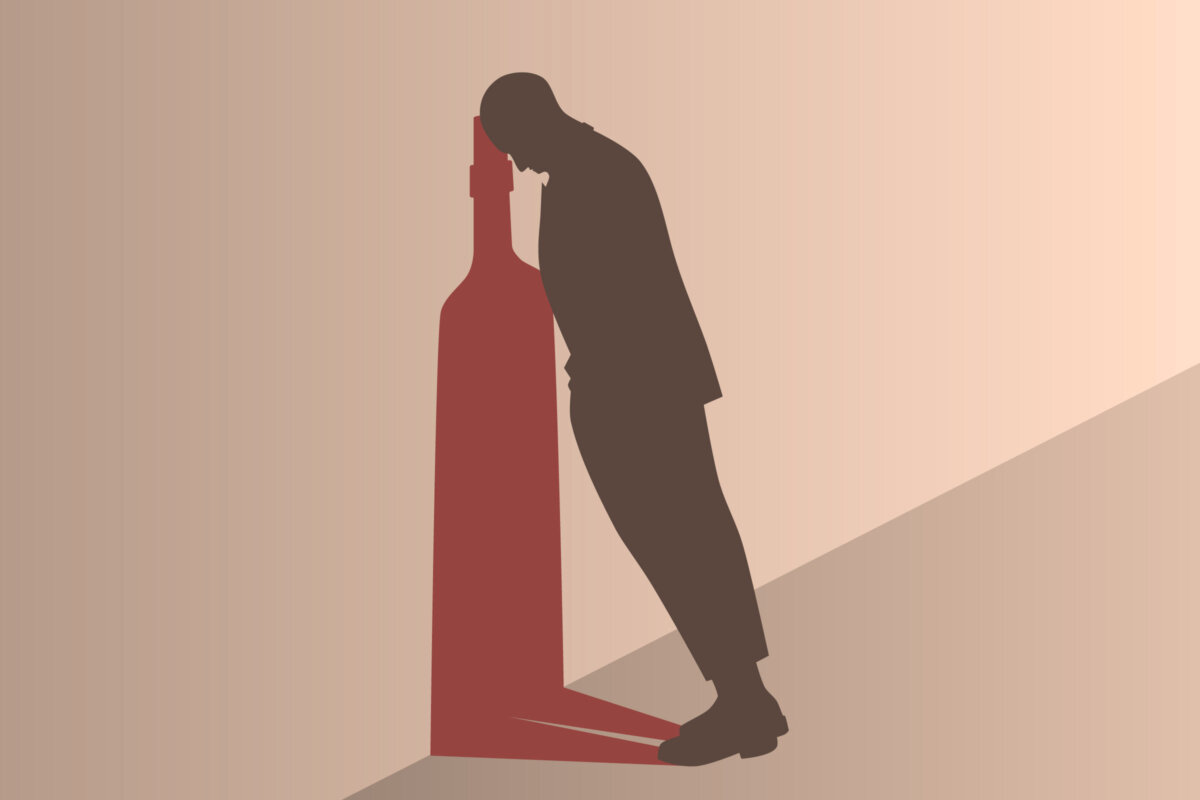
The key stumbling block they face is a lifelong alcohol addiction. This nefarious affliction has caused them untold suffering and health issues. Drinking is linked to everything from cancer to Alzheimer’s, and I’ve seen how it leaves them hopeless and seeking comfort in any way possible.
In trying to learn about how to help them stop drinking, my wife and I have found that the same principles apply to anyone trying to get a loved one to make healthy lifestyle changes.
Many people resort to emotional eating, television, and other escapist behaviors because they can’t cope with their emotions. Despite terrible health consequences, they seem unable to change their diet or exercise habits. The pattern is similar to compulsive gamblers who lose all their money and borrow more. In his report on gambling addiction, Epoch Times writer Huey Freeman spoke with several gamblers and treatment experts, and the key step on their way to recovery involved facing the emotional root of their habit.
Sometimes when we have loved ones who hurts themselves with unhealthy habits, we grow frustrated and push them to change, often in a judgemental way. If you have done this, you’ve likely experienced how futile it is. That is because you end up creating more of the shame, guilt, and negative feelings that trigger their escapist behavior, whether that be drinking or emotional eating.
“It’s understandable why we might feel justified in using a confrontational approach. Looking at an addiction from a distance, it can seem irrational, destructive, and absurd. While we still need to stick by our values, instead of starting in with demands and judgment, consider first fostering a connection,” health reporter Conan Milner reports in his article, “Helping Addicts Avoid Rock Bottom Without Enabling.”
Experts Mr. Milner spoke to say that for many addicts the key barrier to change is an absence of hope. Helping a loved one develop this hope isn’t easy, but it starts with not being a source of despair. A genuine connection takes sincere care, and that means judgments need to be held in check, say experts.
Looking back over the past few years, I can see so many missed opportunities to have kept a lighter heart and offered support and education without criticism. My obligation wasn’t to change my loved one, it was to care for them and be a source of warmth and encouragement. That would also have given them the best chance at making positive changes.
Views expressed in this article are the opinions of the author and do not necessarily reflect the views of The Epoch Times. Epoch Health welcomes professional discussion and friendly debate. To submit an opinion piece, please follow these guidelines and submit through our form here.