


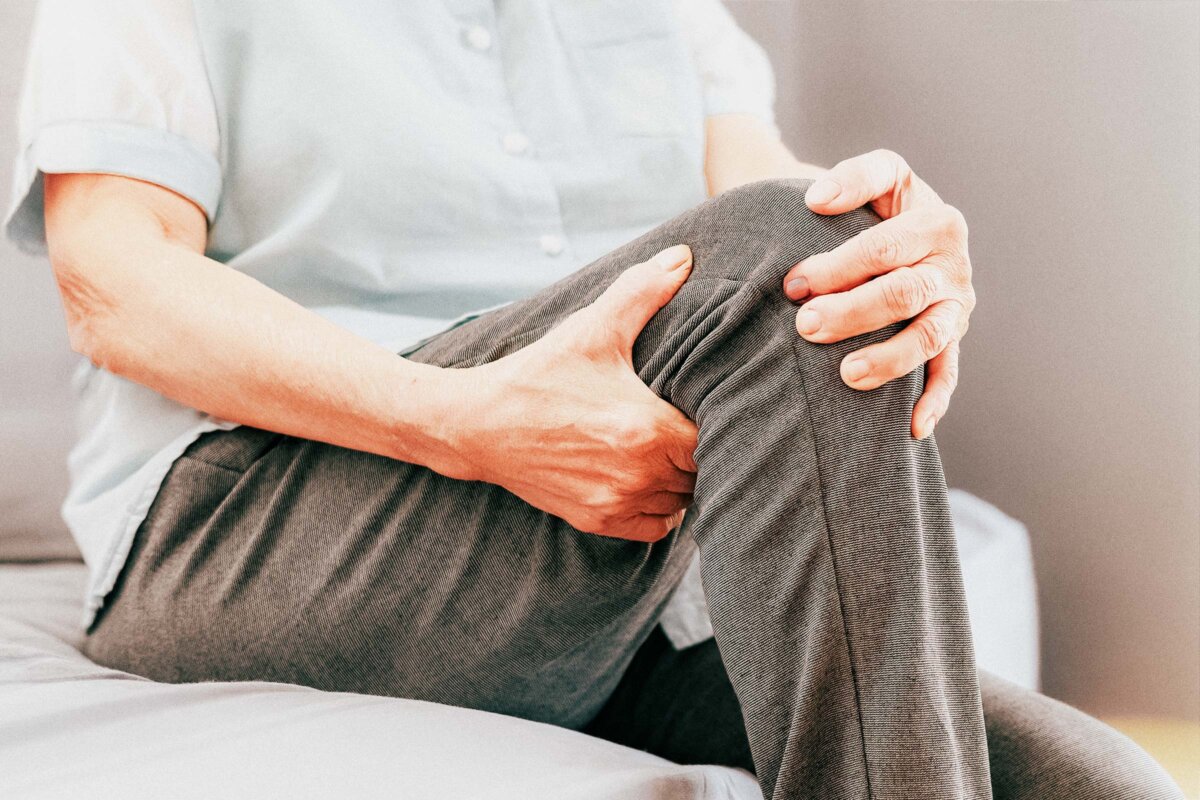
When knee pain makes every step uncomfortable, most people instinctively massage the knee. Traditional Chinese medicine (TCM), however, sometimes begins treatment in a seemingly unrelated place: the opposite elbow.
Known as Pool on Bend (Quchi, LI11), this acupoint illustrates a central TCM principle—pain in one area may be treated by stimulating another part of the body. The same whole-body approach also considers movement, temperature, diet, and everyday habits that can influence the knee.
The Elbow Point That Targets the Opposite Knee
LI11 is easy to locate. Bend your arm with your palm facing you. The point lies at the outer end of the elbow crease.
In a TCM technique known as cross-treatment, the point on the opposite side of the painful knee is selected:
-
For right knee pain, stimulate LI11 on the left arm.
-
For left knee pain, stimulate LI11 on the right arm.
Using your thumb, apply firm but comfortable pressure for about 10 seconds. While pressing, gently bend and straighten the painful knee within a comfortable range. If the technique feels helpful, it can be repeated after a short pause. Stop if the movement increases pain.
Some people may notice a temporary change in discomfort or mobility, while others may feel little difference. Acupressure is best regarded as a complementary self-care method rather than treatment for the underlying cause of knee pain.
Why Treat the Knee From the Elbow?
TCM often selects acupoints far from the painful area. One traditional principle involves treating ailments of the lower body through points in the upper body and treating symptoms on the left through points on the right, and vice versa.
Based on this approach, stimulating LI11 on the arm opposite the painful knee is believed to help regulate the movement of qi and blood through connected pathways, relieving the obstruction associated with pain.
From a modern perspective, researchers have proposed that stimulation of distant acupoints may activate the nervous system’s pain-regulating pathways.
What the Research Found
A 2023 pilot randomized controlled trial enrolled 108 adults aged 50 to 70 with knee osteoarthritis. Participants received acupuncture at local knee points, LI11 on the arm opposite the affected knee, or a combination of both.
Participants received acupuncture six days a week for four weeks, with the needles retained for 30 minutes during each session.
All three groups reported less pain and better knee function after treatment. At four weeks, the response rate was approximately 71 percent in the LI11 group, 51 percent in the local-point group, and 85 percent in the combined-treatment group.
The trial was small; larger studies are therefore needed. Nevertheless, the study reflects a broader lesson: A distant point may help, but supporting a painful knee often requires working from several directions.
A 10-Second Exercise to Keep the Lower Leg Moving
People with knee pain may become reluctant to move. Over time, inactivity can weaken the thigh and hip muscles that support and stabilize the knee, making walking, climbing stairs, and rising from a chair more difficult.
The following gentle exercise keeps the ankle and lower leg moving without placing substantial weight on the knee.
Step 2: Support your calf with both hands to keep your lower leg steady.
Step 3: Move your toes up and down, and from side to side.
Step 4: Repeat with your left foot.
Do this exercise for 10 seconds. Repeat 10 times daily with each leg.
From a TCM perspective, gentle movement helps prevent qi and blood from becoming stagnant. Physically, it helps maintain ankle and lower-leg mobility when pain has reduced activity.
Heat or Ice: Match the Method to the Pain
TCM holds that cold can obstruct the circulation of qi and blood, while warmth encourages flow. This idea is often summarized as “warmth promotes flow, and flow prevents pain.” For this reason, heat is commonly used for chronic knee stiffness, cold sensitivity, and aching that feels better with warmth.
Cold and heat, however, serve different practical purposes. Cold therapy may temporarily reduce pain and swelling following a new injury or an acute flare-up. Heat may help relax surrounding muscles and ease chronic stiffness, particularly after acute swelling has subsided.
Whichever method is used, place a cloth between the skin and the heat or cold source and limit each application to approximately 10 to 20 minutes. People with poor circulation or reduced skin sensation should consult a health professional before using either therapy.
Nourish the Tendons and Bones
According to TCM, “the liver governs the tendons, while the kidneys govern the bones.” When these systems are adequately nourished, the tendons, bones, and joints are believed to receive better support.
Dark-colored foods such as black soybeans and black sesame seeds, along with chestnuts, are traditionally used to nourish the kidneys and support the tendons and bones. They may be particularly suitable, from a TCM perspective, for people who experience knee weakness, difficulty climbing stairs, or aching after prolonged walking.
These foods also provide protein, healthy fats, minerals, and other nutrients that support general muscle and bone health, although they should not be considered treatments for arthritis.
Mackerel, salmon, and sardines can complement this dietary approach. These fish provide omega-3 fatty acids, which help support a balanced inflammatory response. Their effect on knee pain varies, but they can be part of an overall healthful eating pattern.
Support the Spleen and Reduce Dampness
TCM associates the spleen and stomach with digestion and the regulation of fluids. When spleen function becomes weak, fluids are thought to accumulate as “dampness,” which may manifest as heaviness, puffiness, or swelling.
Pumpkin is traditionally regarded as a gentle food that supports the spleen and stomach. It also supplies potassium, carotenoids, and small amounts of several minerals involved in general health. Rather than saying pumpkin directly removes fluid from the knee, it is more appropriate to view it as part of a diet intended to support digestion and fluid balance.
Cherries and berries provide anthocyanins and other plant compounds with antioxidant and anti-inflammatory properties. TCM generally recommends eating fruit at room temperature rather than frozen, particularly for people who are sensitive to cold or prone to digestive discomfort.
From a TCM perspective, frequent consumption of iced drinks, raw or very cold foods, sweets, and excessively greasy meals may weaken spleen function or contribute to cold and dampness. Rather than eliminating these foods completely, people who experience knee heaviness, swelling, or cold sensitivity may consider moderating them and observing how their bodies respond.
Two Habits That Quietly Strain the Knees
Even a comprehensive care routine may be less effective if daily habits continually aggravate the joint.
Prolonged sitting: Sitting for hours can gradually weaken the quadriceps and gluteal muscles that help support and control the knee. Take regular movement breaks, straighten and bend the legs gently, and avoid remaining in one position for extended periods.
Prolonged kneeling or deep squatting: Cleaning, gardening, and other activities performed close to the floor may aggravate knee pain. Consider using a low stool or raised surface, and engage the hips and thighs when standing rather than placing all the effort on the knees.
This does not mean that every squat is harmful. Properly modified squats and sit-to-stand exercises can strengthen the muscles supporting the knees when performed comfortably and with appropriate technique.
When to Seek Medical Care
Seek prompt care if the knee becomes suddenly or severely swollen, looks deformed, cannot bear weight, locks, repeatedly gives way, or becomes red and hot—especially with fever. Severe pain after an injury also requires evaluation.
LI11 may be the most surprising part of this approach, but it illustrates the broader TCM view that caring for the knee involves more than treating the painful joint. Acupressure, movement, appropriate warmth, nourishing foods, and healthier daily habits can work together as part of a comprehensive plan.