
Israel and Iran launched fresh strikes on March 20, a day after the Iranian military struck an Israeli oil refinery, and a major oil site in Kuwait was one of Iran’s targets.
In the early hours of the morning, the Israel Defense Forces (IDF) said in a post on X that it had begun a “wave of strikes” on Tehran, targeting the regime’s infrastructure.
The IDF later said in a post on social media that it was intercepting missiles coming from Iran that were heading toward Israel.
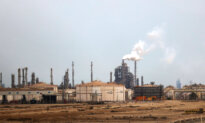
On March 19, an Iranian missile attack hit an Israeli oil refinery in the northern port city of Haifa. It did not cause significant damage, but power was briefly disrupted.
“The damage to the power grid in the north is localized and not significant,” Israeli Energy Minister Eli Cohen said. “Also, in the barrage towards the north, there was no significant damage to Israeli infrastructure sites.”
Persian Gulf nations also experienced renewed attacks. The United Arab Emirates’ Ministry of Defense stated in a March 20 post on X that it was responding to incoming missile and drone threats coming from Iran.
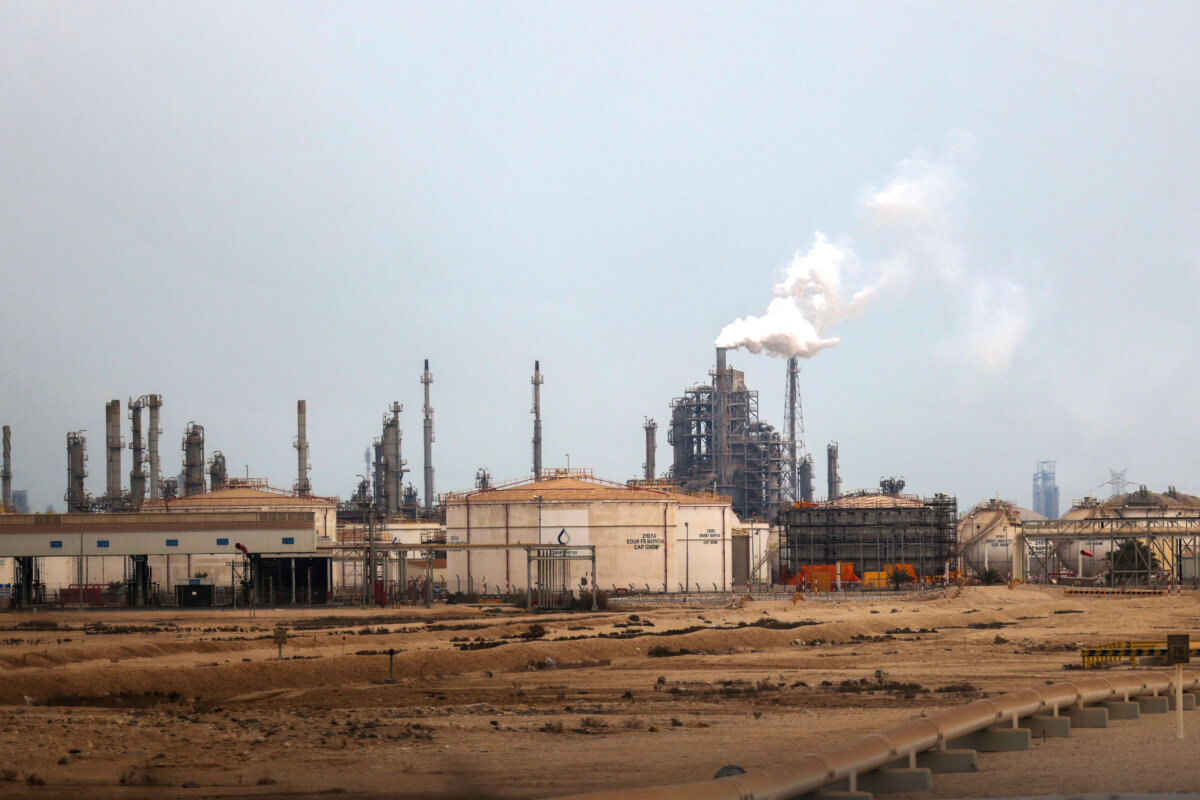
Kuwait said that two waves of drone strikes from Iran had targeted its Mina al-Ahmadi site, sparking a fire that emergency service crews were working to get under control.
This was the second attack against the refinery; the first on March 19 resulted in damage to the site. Mina al-Ahmadi, one of Kuwait’s three oil refineries, can produce about 730,000 barrels of oil per day.
After its energy facilities in South Pars gas field and Asaluyeh were targeted on March 18, Iran retaliated against what it said were U.S.-linked energy sites in Gulf countries, including Ras Laffan Industrial City in Qatar, the world’s largest LNG complex.
U.S. President Donald Trump said the strikes on South Pars were done by Israel “out of anger for what has taken place in the Middle East” and were done without his knowledge.
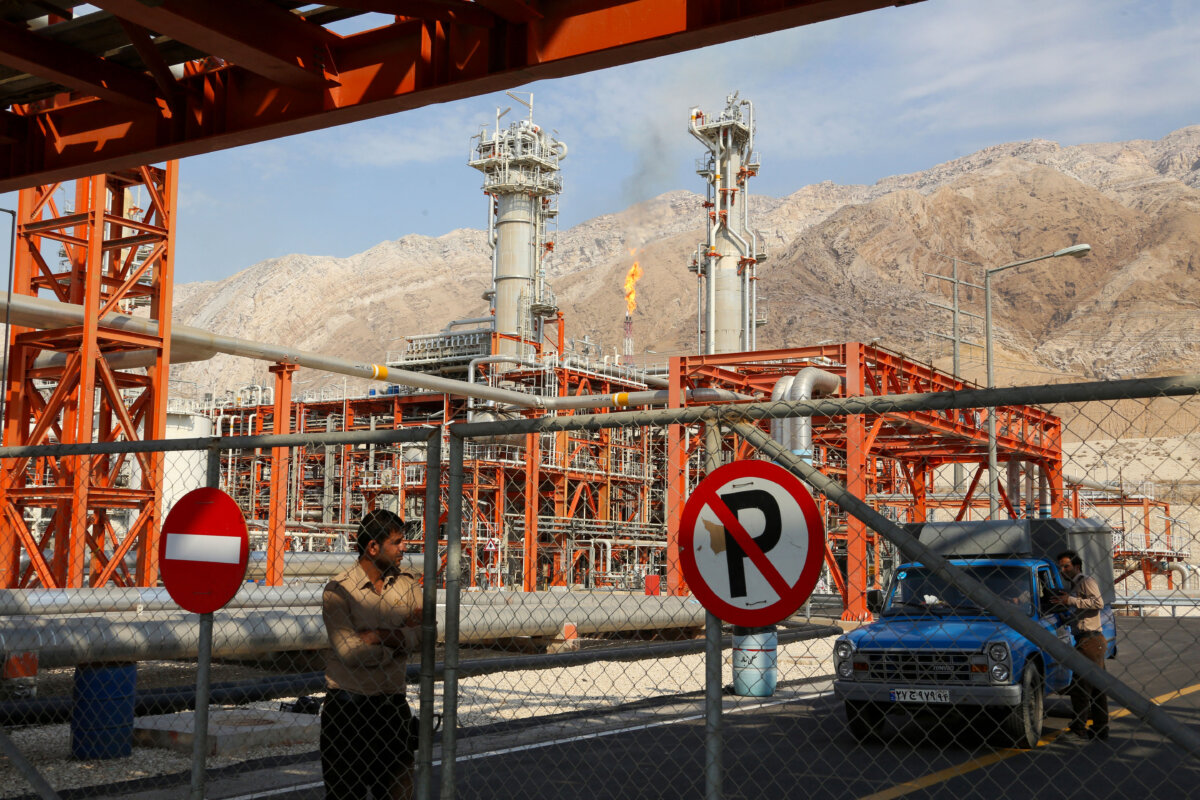
Late on March 19, Israeli Prime Minister Benjamin Netanyahu said the military would hold off on any further attacks on South Pars at the request of Trump, after the Iranian strikes on Gulf energy centers saw oil prices spike to a near-52-week high.
Israeli Strikes in Syria, Caspian Sea
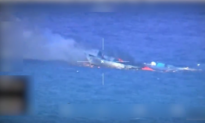
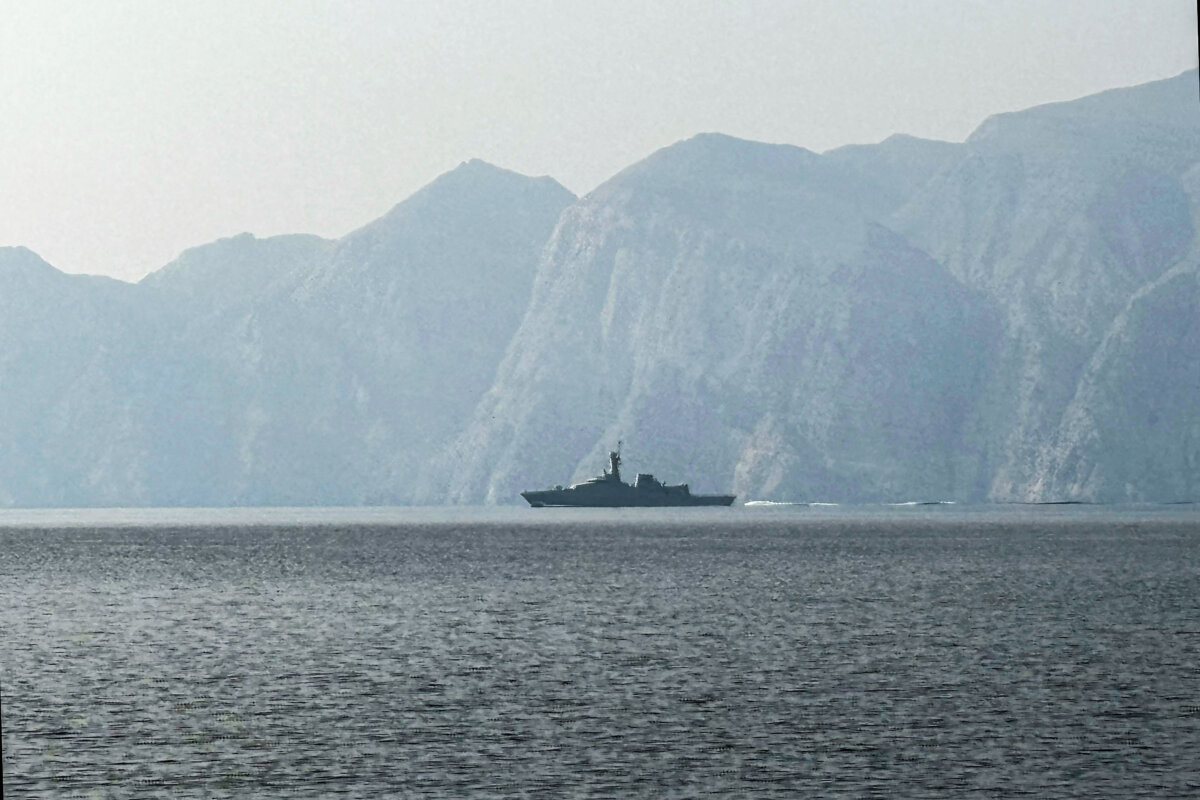
Israel also carried out strikes targeting the Iranian navy in the Caspian Sea for the first time on March 18.
Israeli military spokesperson Lt. Col. Nadav Shoshani told reporters in an online briefing that the Israeli Air Force had struck dozens of missile boats, a corvette—which is a small warship—a command center, and a shipyard used to build and repair vessels.
“We have been able to take out their navy capabilities in the Caspian Sea,” Shoshani said. “That is a systematic strike on all levels of their naval capabilities in the Caspian Sea.”
Israel undertook other campaigns in the past 24 hours, including strikes against infrastructure in southern Syria, in response to attacks against the Druze population in the As-Suwayda area on March 19.
The Israeli military said it struck a command center and combat equipment in Syrian military camps overnight.
“The IDF will not tolerate harm to Druze in Syria and will continue to act for their protection,” the IDF said in a post on X, adding that it would continue to monitor the situation in the region.
IRGC Spokesman Killed in Airstrike
On March 20, a spokesman for the Iranian Revolutionary Guard Corps (IRGC), Gen. Ali Mohammad Naina, was killed in an Israeli airstrike, according to the Iranian state-linked Tasnim News Agency.
The IDF also confirmed the hit, saying in a post on X that Naeini served as the revolutionary guard’s “main propagandist” and for the past two years “disseminated the regime’s terrorist propaganda to its proxies across the Middle East in order to influence and advance terror attacks against Israel.”
Before he was killed, Naeini said that Tehran was still building missiles, in an apparent attempt to counter remarks from Netanyahu that Iran’s ability to produce ballistic missiles had been taken out.
Naeini is the latest senior figure in the Iranian regime that Israel has killed.
Earlier this week, in separate attacks, Israel said it killed Iran’s intelligence minister, Esmail Khatib, security chief Ali Larijani, and Basij militia head Gholam Reza Soleimani.
The Associated Press and Reuters contributed to this report.
 Friends Read Free
Copy
Facebook
Tweet
Friends Read Free
Copy
Facebook
Tweet