





With Hong Kong-born pop singer Coco Lee’s death by depression-spurred suicide in July, mental health has again come into the spotlight. Can depression be overcome? Mr. Zhu Enli, director of Taiwan Chen En Chinese Medicine Clinic, explained how to reduce the risks of developing depression on the Epoch Times “Health 1+1” program. He also shared how he helped patients recover from depression in three months.
Depression is considered to be a disease related to brain structure anomalies. It is manifested by significant changes in the hippocampus, which controls memory; the amygdala, which controls emotions; and the anterior cingulate cortex, which regulates emotions. With such structure alterations, the patient might be led to revisit negative memories related to emotions and become trapped in them and unable to escape. These negative memories may even lead to impulsive actions or suicidal inclinations and behavior.
Mr. Zhu said that in traditional Chinese medicine (TCM) diagnosis, patients with depression often have one thing in common: poor circulation of the liver meridian, usually referred to as “liver meridian stagnation.” Both the liver and gallbladder meridians mentioned in TCM pass through the limbic system in the brain, which includes functional areas such as the hippocampus, amygdala, and others. Chinese medicinal herbs and acupuncture mediate the liver and gallbladder meridians and regulate the limbic system, stabilizing mood.
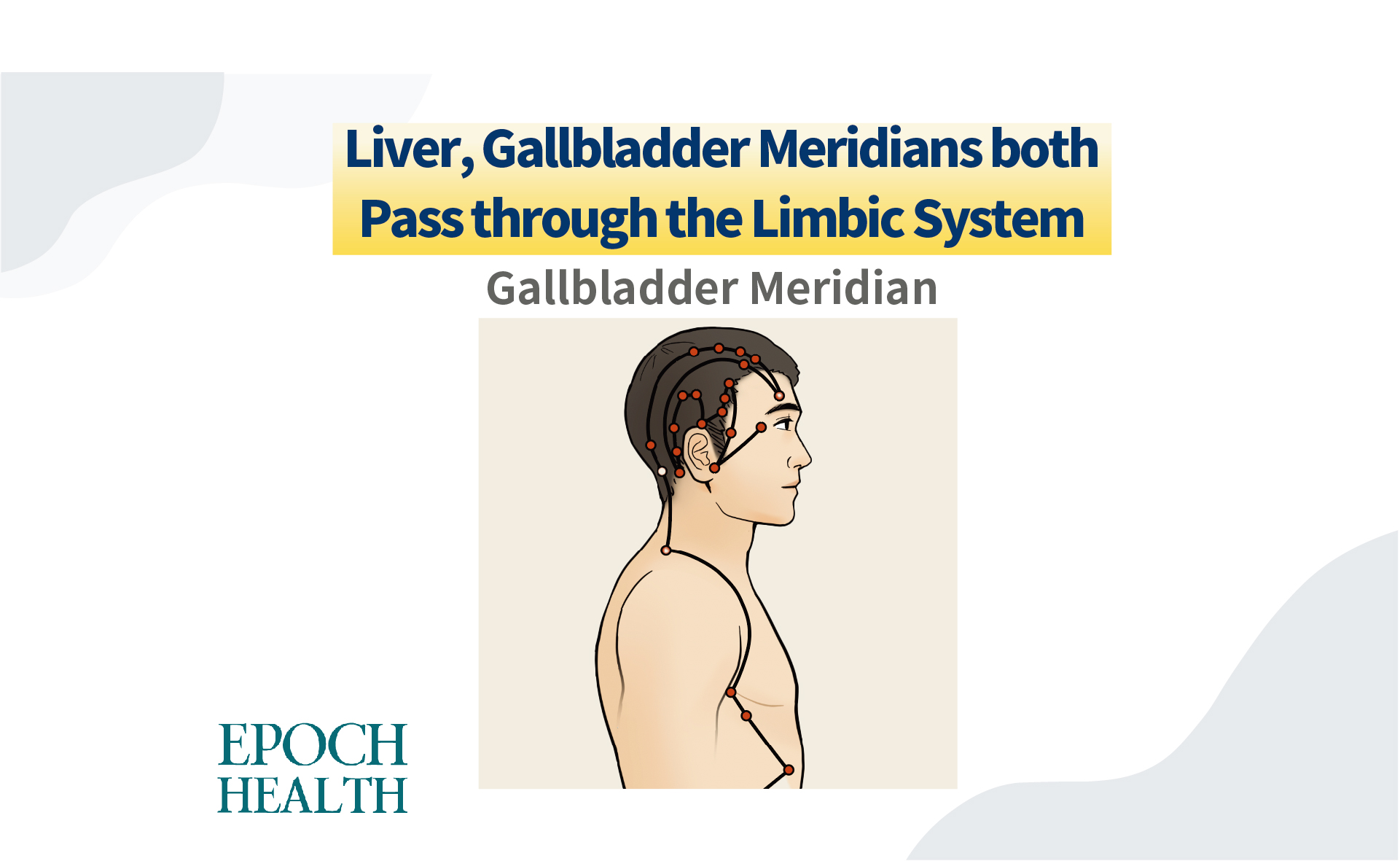
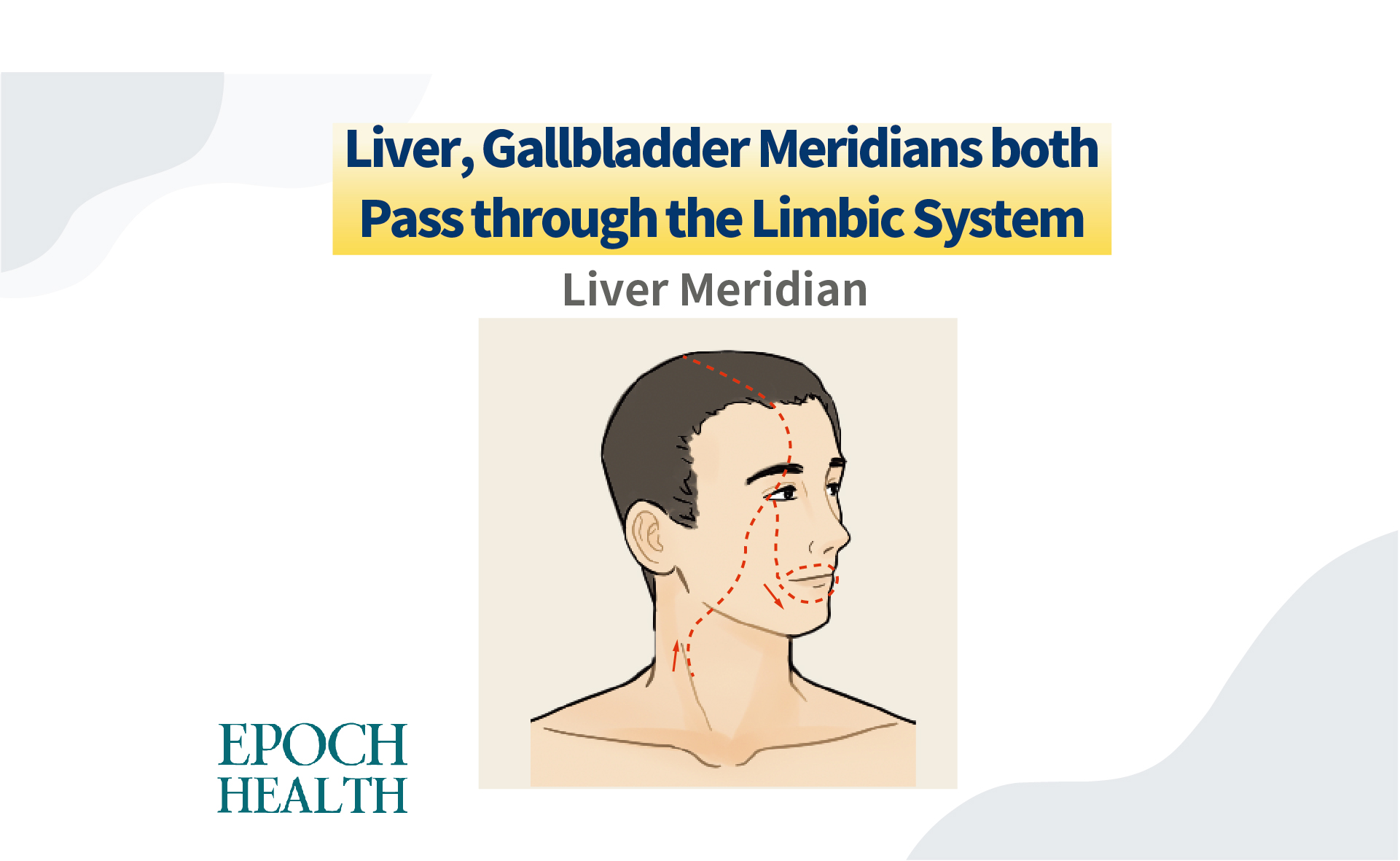
TCM posits that meridians are the energy channels of the human body responsible for transporting qi and blood. These basic substances constitute the human body and maintain its physiological activities. The body has 12 main meridians corresponding to 12 internal organs, and the internal organs are connected to the body’s surface through the meridians. Points on the meridians with particular functionalities are called acupoints. Stimulating the acupoints through acupuncture and massage can treat diseases of the corresponding viscera.
TCM Ways to Treat Depression
A research review published in Frontiers in Pharmacology in 2020 pointed out that TCM believes depression is caused by the dysfunction of multiple physiological systems in the body. As the application of traditional single-target antidepressants is not entirely effective, TCM can be used to treat depression. According to the review, TCM formulations exhibit better effects in clinical practice than single herbal molecules or herbs. As each formulation is usually a mixture of multiple herbs, it is designed to act simultaneously on different pathological targets.
A 2021 study showed that Chinese medicinal herbs can treat depression caused by COVID-19 and exhibit several therapeutic effects.
In addition to exhibiting adverse effects on the mind and mood, depression can highlight problems in the autonomic nervous system, such as proneness to gastrointestinal upset, headache, back pain, chest pain, muscle tension, or soreness. One especially prominent symptom is insomnia.
Clinically, Mr. Zhu found that the development of depression for most patients starts with insomnia, followed by some autonomic nervous system disorders, then the condition deteriorates into depression. The condition can even evolve into bipolar or panic disorder. On the other hand, some patients may first notice chronic pain, which affects their mental and emotional well-being. This is particularly the case for some older people with depression.
Chinese medicinal herbs can improve the sleep quality of most people with depression. When sleep problems are resolved, many other symptoms also improve. Mr. Zhu believes one benefit to taking Chinese medicine is that its potency will accumulate, and its therapeutic effect will not disappear entirely, even if it is not taken for some time.
TCM believes the liver and kidney originate from the same source. As such, they both help and restrict each other, with their physiological and pathological characteristics intimately related.
Mr. Zhu said that when treating depression patients, if the patient just suffers mild liver meridian stagnation, then once the liver meridian is cleansed, the depression will improve. However, if the patient is very old and has a weak kidney, it is not enough to dredge the liver meridian. Therefore, kidney-warming medicine should be applied to improve the energy circulation of the kidney. This will help regulate the stagnation of the liver meridian so that the patient’s depression can be addressed, also relieving physical discomfort.
Patients with severe depression may have suicidal inclinations. At this time, family members’ support becomes vital. Start by accompanying and communicating with the patient more, and encourage him or her to participate in community activities. Let him or her feel psychologically supported. Then, the doctor can use Chinese medicine to improve the patient’s low mood, thereby alleviating thoughts of suicide.
Cases of Depression Treated by TCM
Mr. Zhu said TCM treatment of depression takes about two to four courses, each lasting around three months, so most cases take about six to 12 months to treat. This may be extended if the patient’s symptoms are trickier.
However, the treatment process may be shortened if patients adjust their daily routines and become positive again by joining social communities. Some patients have recovered in as little as three months.
Mr. Zhu mentioned the case of a depressed female student in her third year of high school. She actually always wanted to go to school, but she just felt so depressed that she couldn’t, and she spent most of her time at home. At times, she also had suicidal thoughts and exhibited signs of self-harm.
After the girl received TCM treatment for one to two months, her initial problems of poor sleep, chest tightness, heart palpitations, dizziness, headache, and even menstrual pain began to improve. Her mood, physical strength, and spirit improved, and she started returning to school, chatting and joking with other students, and even participating in swimming classes. After about five or six months of treatment, her spirit improved so much that she could start studying seriously, and she got admitted to a university in due course.
Another case involved a 65-year-old retired teacher. She was earnest about teaching and put a lot of pressure on herself. She developed symptoms of autonomic nervous disorder and insomnia and could only sleep three to four hours a night. In addition, she had a bad relationship with her mother-in-law and often got into spats with her husband. With her child away from home, she was utterly without company, which worsened her depression.
This patient also suffered from anxiety, irritability, and panic. Her TCM diagnosis was a stagnation of the liver meridian, intense liver fire, and weak kidney qi. TCM believes environmental forces like wind, cold, heat, dryness, dampness, and fire can cause many diseases.
Medicine to reduce anger was used in the first treatment stage, which improved her chest tightness, heart palpitations, and sleep conditions, restoring her mood to a more relaxed state. The second stage focused on cleansing the liver meridian, and the patient had to adjust her work and rest routine. She was urged to go to bed early, avoid getting hungry, drink plenty of warm water, and avoid cold drinks. After six to eight months of treatment, her depression was essentially under control. After that, with the prescription of some Chinese medicines to nourish the kidneys and strengthen the body, the patient’s depression improved further.
6 Habits to Prevent Depression
Mr. Zhu said TCM believes both congenital physical problems and acquired bad living habits may cause depression.
He noted the following three important tips for treating depression:
- Use Chinese medicine: Regulate liver meridian circulation, and improve spirit and mood.
- Use Western medicine: In case of severe symptoms, Western medicine may be needed.
- Live healthily: This is the most crucial part. Living an unhealthy lifestyle will deteriorate your mood.
Mr. Zhu offered the following six suggestions of habits to have in your daily life to prevent depression:
- Go to bed early, before 10 or 11 p.m.
- Eat on time, avoid getting too hungry, do not eat too fast, and do not overeat.
- Avoid cold food; if you eat it, drink warm water.
- Take part in positive communities.
- Get regular and substantial exercise, especially in the morning, which will help you sleep at night.
- Meditate for a healthy body and mind.