




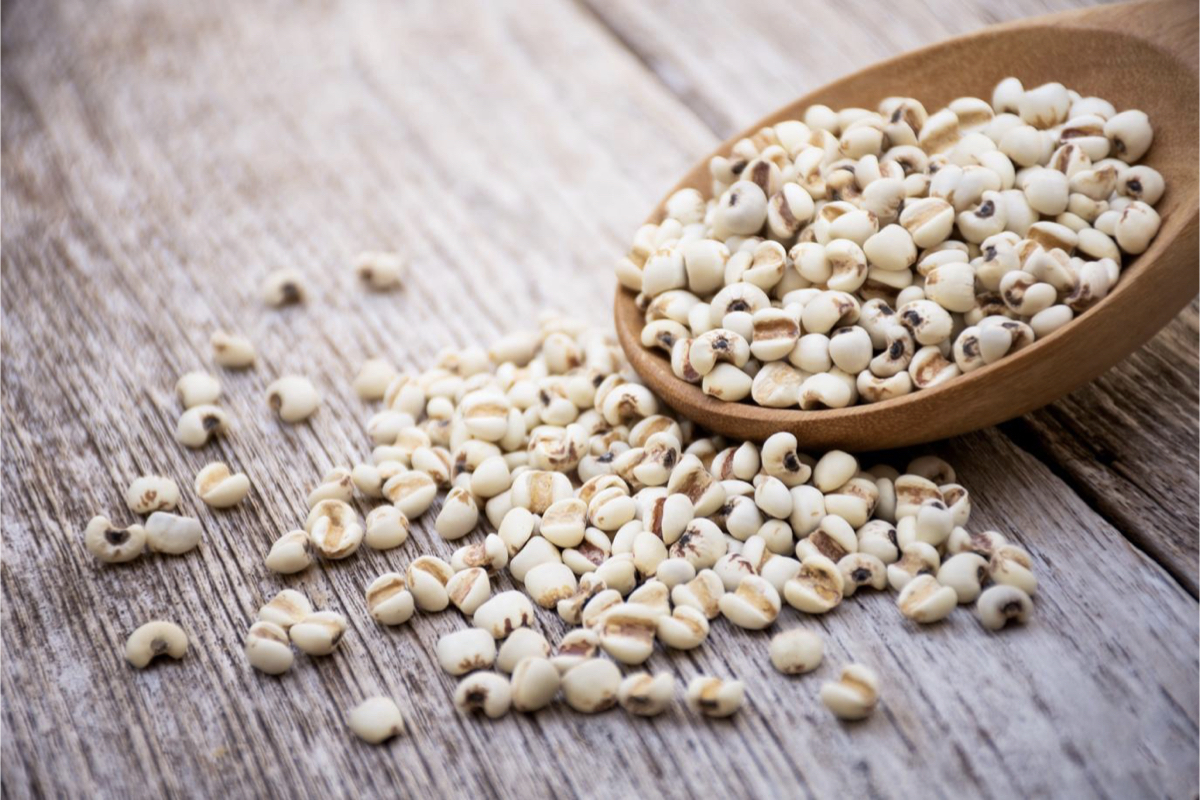
Pearl barley, also known as Job’s tears, is both a food and a medicinal. Traditional Chinese medicine (TCM) believes it can reduce blood sugar, prevent cancer, and improve constipation. Many women drink pearl barley water to whiten and moisturize the skin and reduce edema. Mr. Zhang Weijun, the fifth-generation successor of Huaishengtang in Taiwan, told The Epoch Times that pearl barley is best used for relaxing muscles.
Pearl barley is rich in protein, fatty acids, vitamin B1, B2, vitamin E, potassium, magnesium, phosphorus, and other minerals. It also contains various phytochemical components, including coixin, coix seed ester, coix polysaccharide, and other phytosterols or phenols compounds that significantly benefit the human body. Pearl barley ranks high among medicinals in the TCM classic “Shen Nong’s Materia Medica.”
Pearl Barley’s Best Benefit
TCM believes environmental forces cause many diseases. These are called the six exogenous evils: wind, cold, heat, dryness, dampness, and fire. TCM posits that internal dampness is either caused by the dampness evil invading the body or by visceral dysfunction. Either can result in water metabolism disorders where excess moisture is retained in the body, causing edema, fatigue, joint pain, and other complications.
According to TCM, pearl barley is a diuretic that helps eliminate moisture inside the body and reduces swelling. Mr. Zhang explained that TCM cites three common sources of dampness:
- Environmental humidity: When the environment is humid, moisture enters the body, making people feel clumsy, heavy, and weak. Spending extended periods of time outside in the heat or a humid place, such as near water or in a poorly ventilated environment, will exacerbate the effects.
- Edema: This can mean puffy eyelids in the morning or swollen feet in the evening. This dampness is caused by a deficiency of spleen and stomach qi or insufficient kidney qi, which prevents the normal metabolism of water. In TCM theory, qi is a vital substance continuously circulating within the human body. Qi deficiency can be a result of either insufficiency or excess consumption. Mr. Zhang said pearl barley can reduce edema but is less effective than red beans and winter melon.
- Dampness in the bones and muscles: This kind of moisture stiffens muscles, bones, and shoulders. The stiffness may even cause pain or lead to a twisted back or sprained neck.
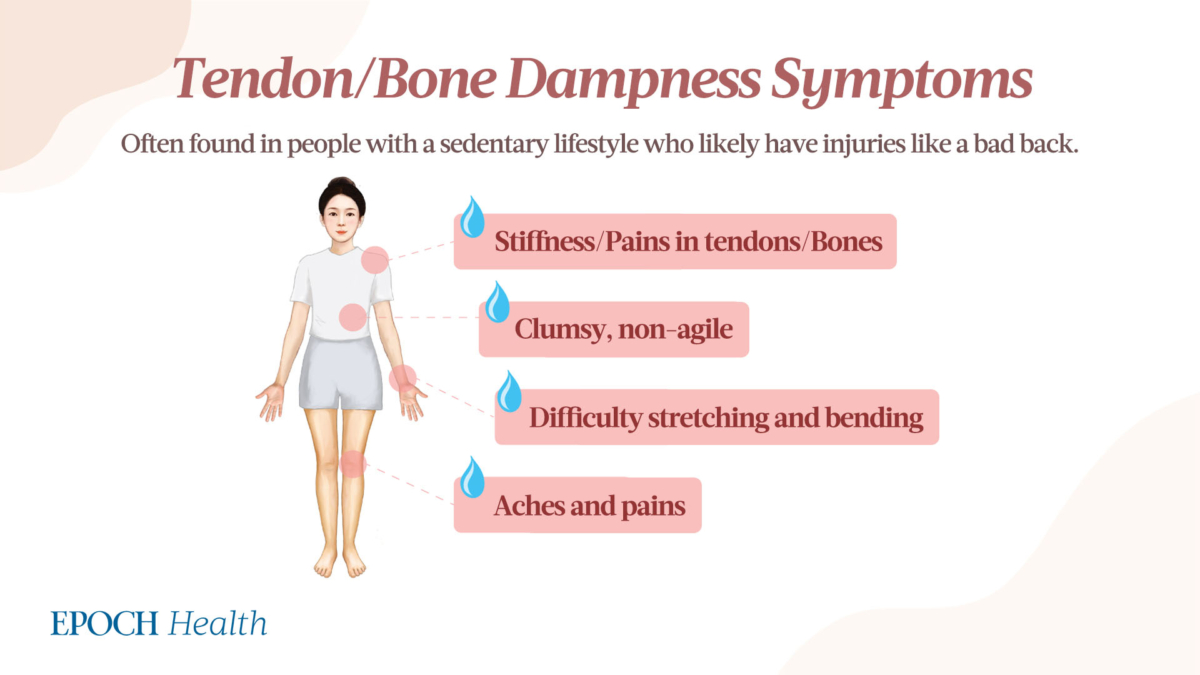
Mr. Zhang explained that TCM believes twisted backs, stiff joints, and arthritis are signs of excessive dampness. Pearl barley is effective in treating dampness in bones and joints because of its muscle-relaxing properties.
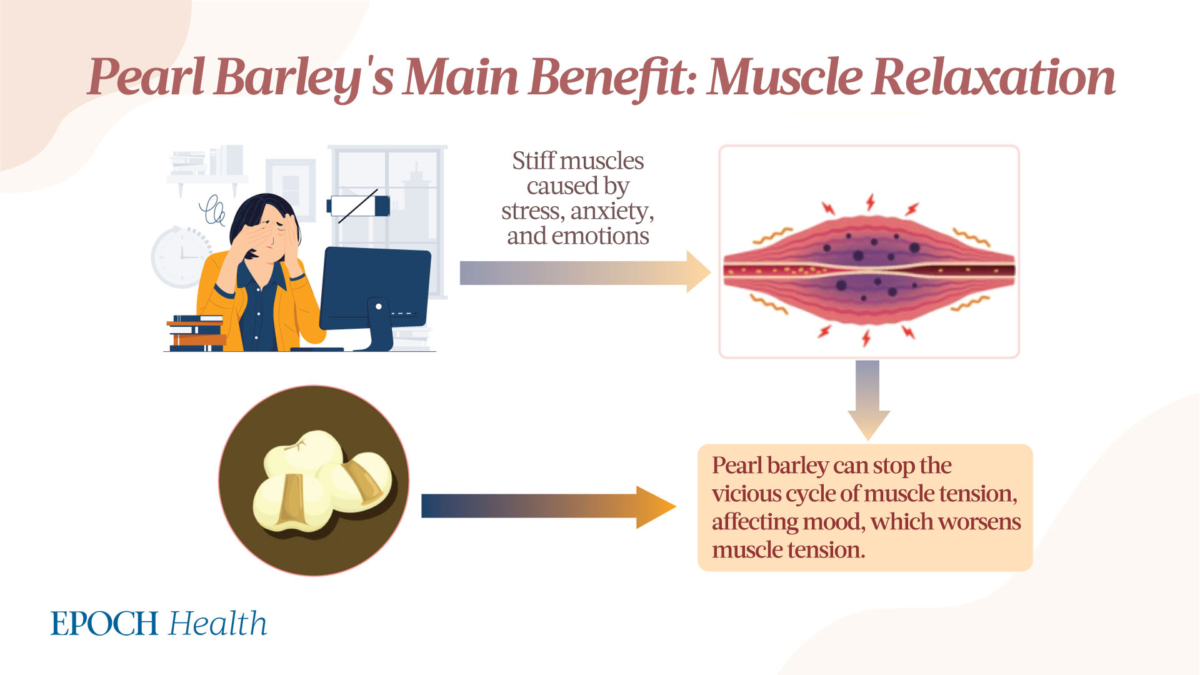
“Shen Nong’s Materia Medica” states: “Pearl barley governs cramps and spasms, targets rigid joints, long-term rheumatism numbness, insufficient qi, and long-term use of it lightens the body and nourishes qi.” In other words, pearl barley can ease muscle tension, relieve joint pain, and make people feel more relaxed. Mr. Zhang said that if a person is often tense, anxious, and irritable, he will lose his vitality quickly and become fatigued. Therefore, eating pearl barley frequently will relax muscles, make the body feel lighter, soothe the spirit, and improve vitality.
Pearl barley is an anti-inflammatory and can relieve rheumatoid arthritis pain. Another TCM classic, “Synopsis of Prescriptions of the Golden Chamber,” mentions a decoction combo with Ephedrae herba, almond, pearl barley, and licorice for treating rheumatism. The ancient Chinese medicine literature “Wonderful Well-Tried Recipes” also says pearl barley soup can treat joint pain in the hands and feet, numbness, and difficulty flexing and stretching.
Mr. Zhang emphasized that the pearl barley soup mentioned in “Wonderful Well-Tried Recipes” is not simply pearl barley but also a mixture of other Chinese herbs that nourish blood and stimulate menstruation. Therefore, patients with rheumatoid arthritis should seek advice from professional TCM practitioners to take medicines according to their constitution.
Pearl Barley’s Beauty Benefits
Pearl barley also makes an excellent beauty supplement for women. Mr. Zhang listed four such benefits:
- Whitens skin: Tyrosinase is the source of skin melanin. The sun will stimulate the secretion of tyrosinase, and the skin will form melanin to block sunlight damage. Pearl barley can inhibit the formation of tyrosinase, especially red Job’s tears with bran.
- Helps discharge menstrual blood: Pearl barley’s fat content helps the uterus contract and accelerate the discharge of menstrual blood.
- Helps with ovulation: Ovulation can be influenced by stress and emotion. Long-term tension and anxiety can inhibit the female reproductive system’s function. Pearl barley can relax muscles and emotions. When emotions are relaxed, the reproductive system is better supported, and problems such as menstrual disorders, abnormal ovulation, and infertility will improve.
- Helps prevents gynecologic cancer: Certain fatty components in pearl barley have anti-tumor effects, helping prevent gynecologic cancer. Many anti-cancer Chinese remedies contain pearl barley for this reason.

Pearl Barley Regulates Autonomic Nerves and Prevents Inflammation
A sweltering summer coupled with strong ultraviolet (UV) rays can lead to eczema (atopic dermatitis), resulting in skin symptoms such as dryness, redness, and itching. Mr. Zhang said that since pearl barley is cold in nature, it can clear heat, reduce skin inflammation caused by UV light, and relieve eczema symptoms.
Mr. Zhang believes pearl barley is even more effective in treating sweat eczema (sometimes called sweat herpes). Sweat eczema occurs mainly between the folds and creases on the hands and feet because the sweat glands are more developed there. Therefore, when sweat glands become blocked by sweat in the summer, inflammation, rash, and itching can occur.
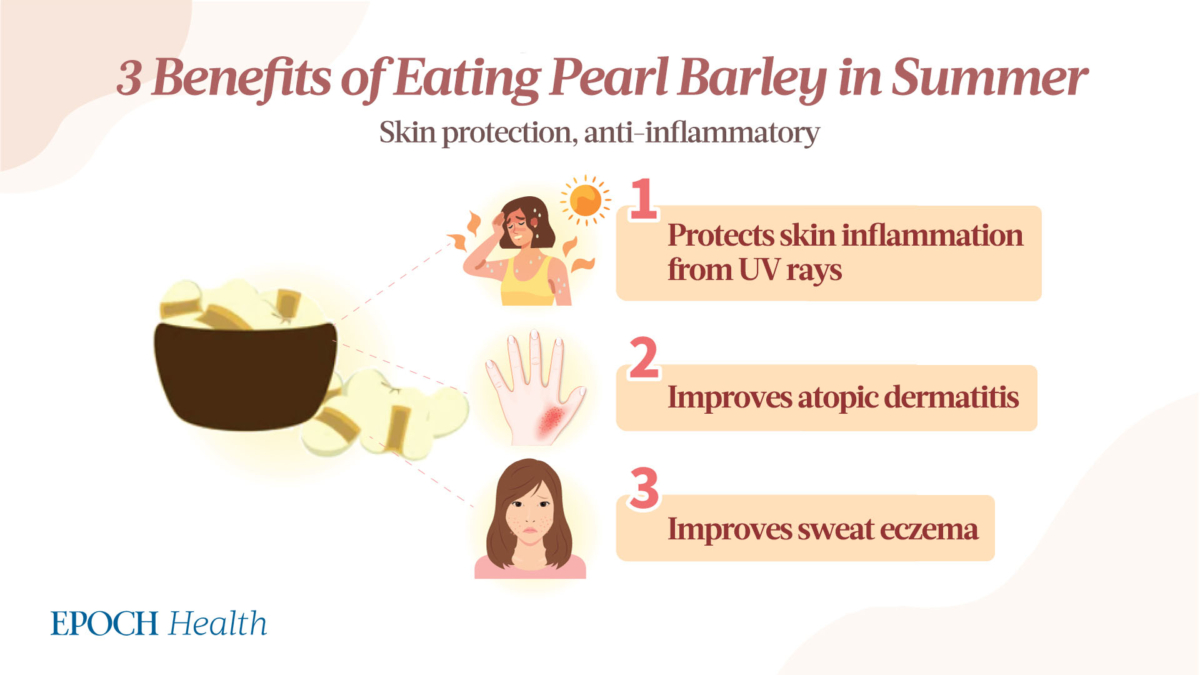
Pearl barley’s heat and dampness clearing property thins sweat, making it less likely to block sweat glands. When a person is stressed, sweat becomes stickier, and the hair and T-zone get greasier. Pearl barley’s relaxation effects can relieve stress and the symptoms that arise from stress.
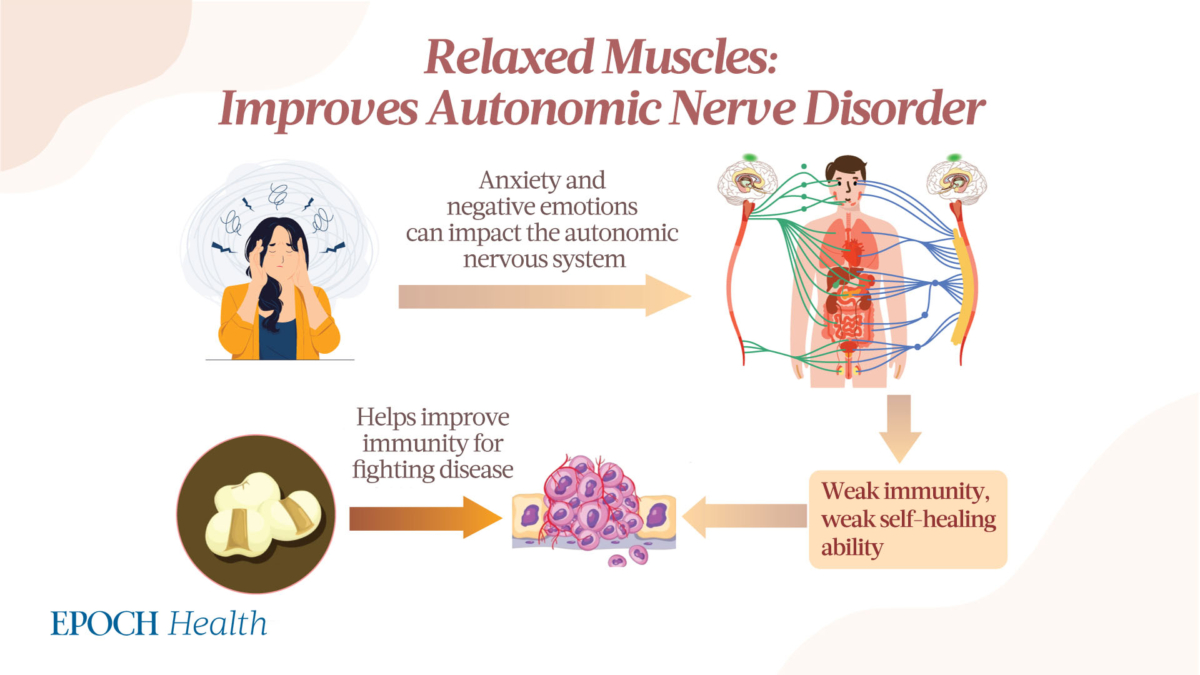
Pearl barley’s muscle relaxing effects will also regulate the autonomic nervous system to improve mood. When stress is relieved, the autonomic nervous system follows suit, leading to a well-functioning immune system.
Mr. Zhang said that people with a dysregulated immune system have tight autonomic nerves, weakening the immune system. However, consuming pearl barley to relax muscles will relieve tension in the autonomic nerves, improving immune function. Mr. Zhang believes many diseases are related to stress, emotion, and immune function. If immunity can be improved, the body will be better able to self-recover.
5 Types of People Should Avoid Pearl Barley
Despite pearl barley’s health benefits, some people are better off avoiding it. Mr. Zhang indicated the following five groups not suited to eating pearl barley:
- Pregnant women: Pearl barley can promote uterine contraction that leads to miscarriage.
- Frail people: Pearl barley is a muscle relaxer. Consuming pearl barley will further weaken muscles in frail people. Mr. Zhang said he once consumed 30 grams (1.1 ounces) of pearl barley (a large quantity, as you shouldn’t eat more than 15 grams) in one sitting. After, he couldn’t get out of bed, felt weak, and just wanted to sleep.
- People prone to cramps: There are two types of cramps. Pearl barley can relieve thermal cramps such as muscle inflammation. But for cold cramps, such as those from running an electric fan at night or cramping feet due to air conditioning, you should not eat pearl barley to relax muscles further.
- People with constipation due to weak muscles: Pearl barley can help people with constipation caused by a lack of dietary fiber, but it is unsuitable for those with constipation caused by weak stomachs and peristalsis problems. In this case, eating pearl barley will make one’s stomach weaker, and constipation will worsen.
- People with hypothyroidism: These people often appear frail, have a hoarse voice or inability to speak, and have edema and lethargy. Eating pearl barley will only aggravate this condition.

A TCM Physician’s Secret Family Recipes
Mr. Zhang’s family members have been TCM practitioners since the Qing dynasty, with more than 120 years in the business. He shared his family’s secret health-boosting pearl barley recipes.
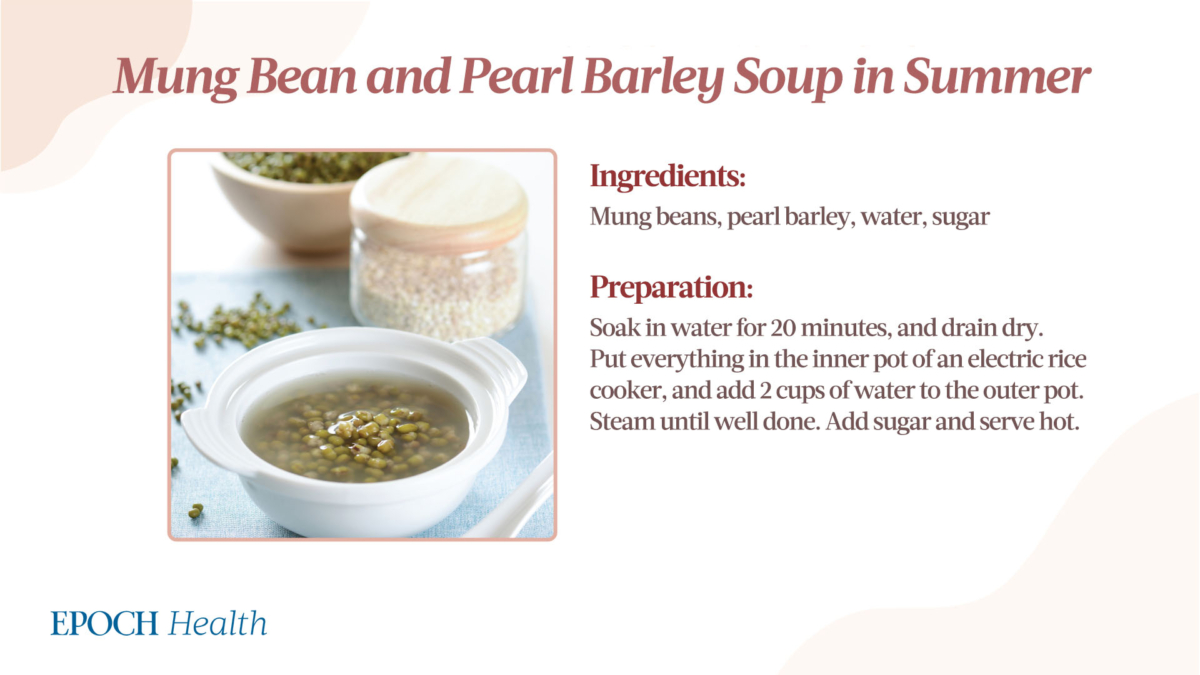
1. Mung Bean Pearl Barley Soup
Season: Summer
Ingredients:
- 300 grams (10.6 ounces) mung beans
- 120 grams (4.2 ounces) pearl barley
- 1,800 cubic centimeters (60.9 fluid ounces) water
- 150 grams (5.3 ounces) sugar
Preparation:
- Wash the mung beans and pearl barley. Soak in water for 20 minutes, and drain dry.
- Put everything in the inner pot of an electric rice cooker, and add 2 cups of water to the outer pot.
- Steam until well done (around 30 to 40 minutes).
- Add sugar and refrigerate before serving.
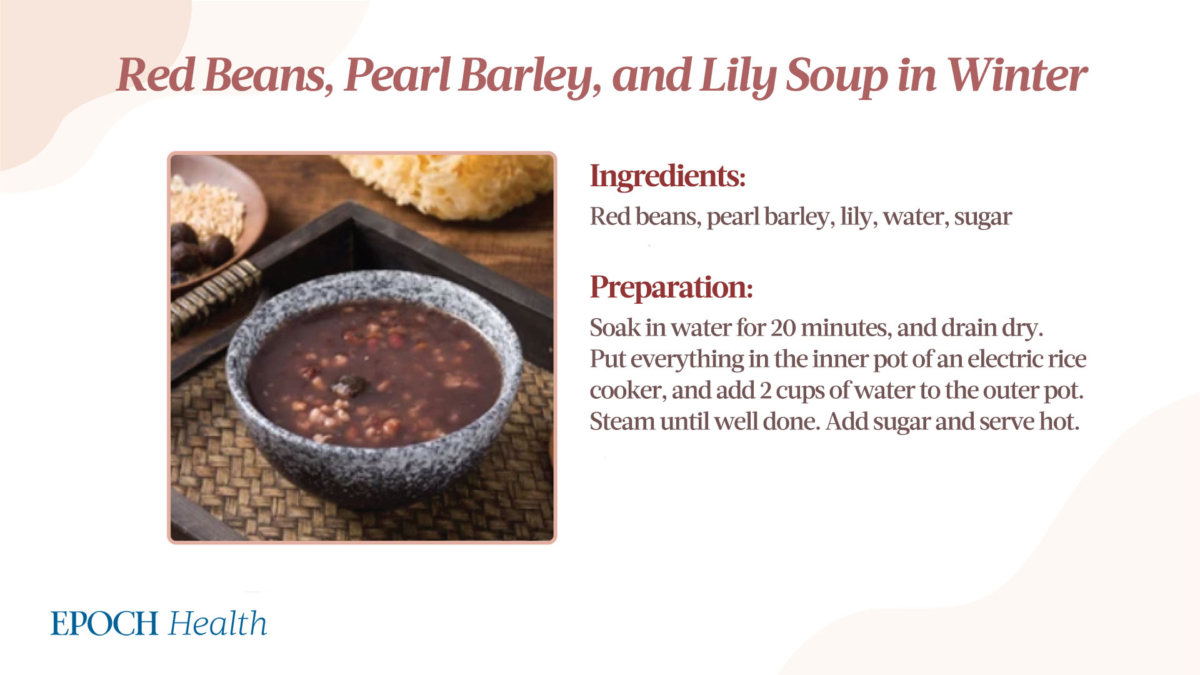
2. Red Bean, Pearl Barley, and Lily Soup
Season: Winter
Ingredients:
- 300 grams (10.6 ounces) mung beans
- 120 grams (4.2 ounces) pearl barley
- 50 grams (1.8 ounces) lily
- 1,800 cubic centimeters (60.9 fluid ounces) water
- 150 grams (5.3 ounces) sugar
Preparation:
- Wash the red beans, pearl barley, and lily. Soak in water for 20 minutes, and drain dry.
- Put everything in the inner pot of an electric rice cooker, and add 2 cups of water to the outer pot.
- Steam until well done (around 30 to 40 minutes).
- Add sugar and refrigerate before serving.
Like pearl barley, lily also has the effect of calming nerves. When blood circulation is not smooth, and muscles are stiff in winter, eating hot red bean, pearl barley, and lily soup at night can speed up blood circulation and make you feel more comfortable.
Red Job’s Tears
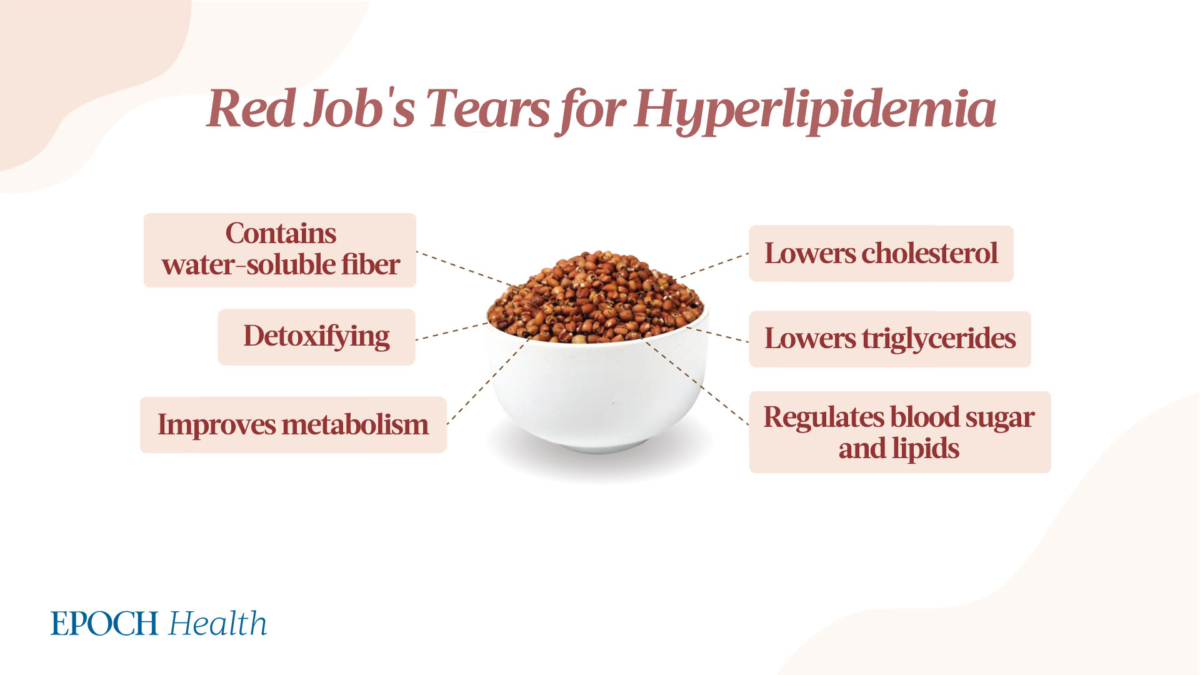
The red variety of pearl barley targets hyperlipidemia, a condition of high blood lipids. Red Job’s tears’ high water-soluble fiber content enhances metabolism, regulates blood sugar and lipids, and lowers cholesterol and triglycerides. This variety is more nutritional than oatmeal and benefits people with metabolic syndrome.
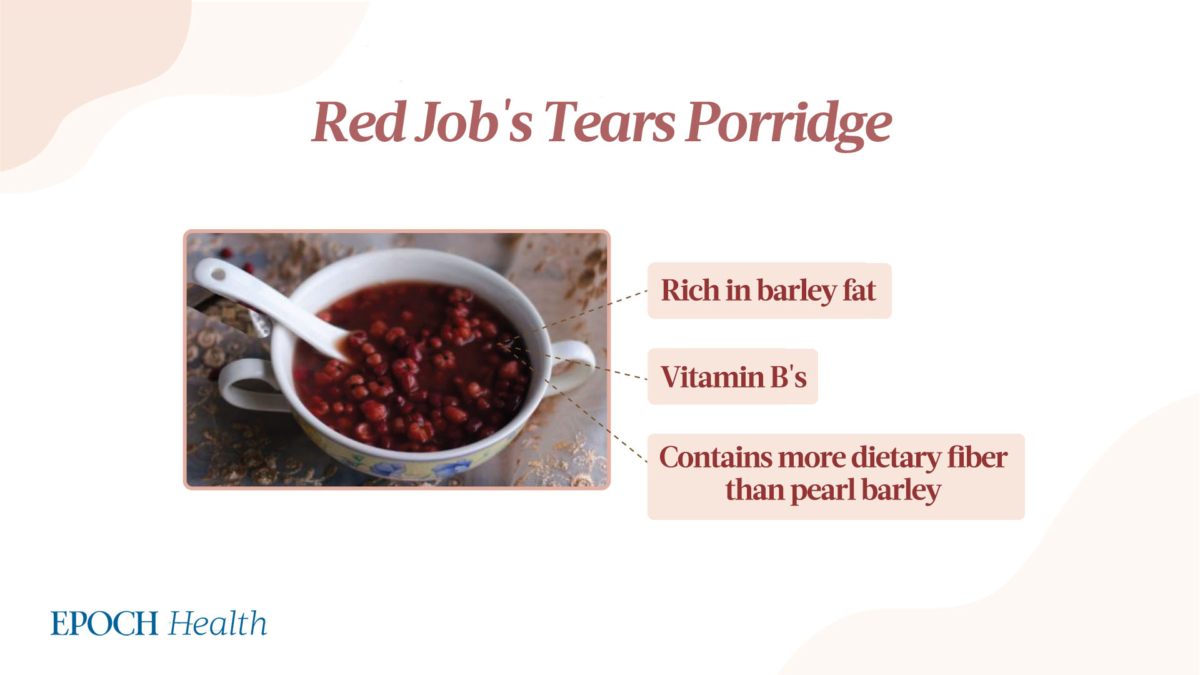
Red Job’s Tears Porridge
Red Job’s tears bran is rich in barley fat and has more dietary fiber than white barley, promoting gastrointestinal motility and preventing constipation.
*Some herbs mentioned in this article may be unfamiliar, but they are generally available in Asian supermarkets.
Note: Because different people have different constitutions, consulting your doctor or TCM experts is recommended.
Views expressed in this article are the opinions of the author and do not necessarily reflect the views of The Epoch Times. Epoch Health welcomes professional discussion and friendly debate. To submit an opinion piece, please follow these guidelines and submit through our form here.