



Health Viewpoints
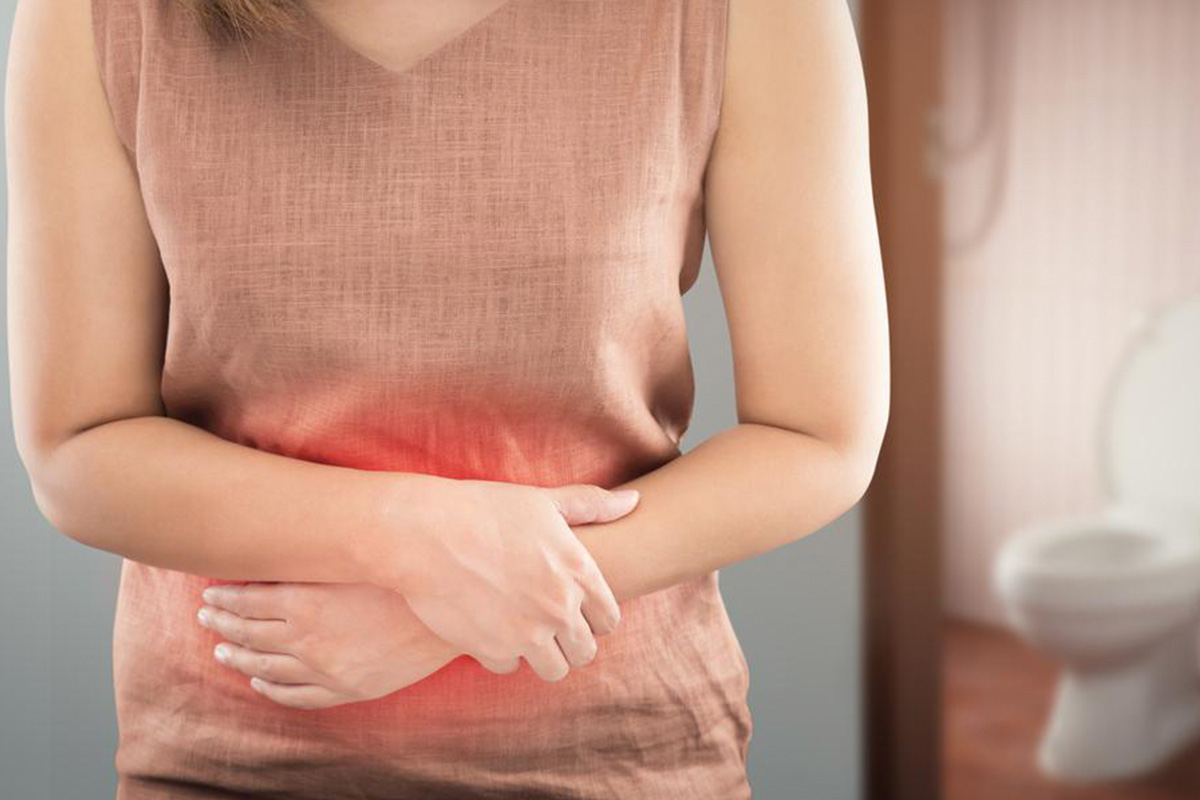
Constipation seriously affects one’s quality of life and makes one physically and mentally exhausted. Many people have adopted different ways to relieve constipation, including eating probiotic-rich foods or more vegetables and fruits, and even taking laxatives, but these methods are not always effective.
Let me start by explaining several myths about relieving constipation, followed by a few ways traditional Chinese medicine (TCM) treats constipation. Finally, I will teach you a few simple exercises to improve constipation by enhancing intestinal peristalsis.
The simplest definition of constipation in the medical world refers to a frequency of bowel movements fewer than three times a week, with a low excretion volume and some difficulty in doing so. Or, even if you have a bowel movement every day, it takes too long to finish. Maybe it is not smooth each time, or it feels like you haven’t fully emptied the waste.
Constipation causes feces to accumulate in the intestines, leading to a buildup of toxins in the body, which may cause acne. In addition to causing symptoms such as abdominal distension, abdominal pain, and long-term hemorrhoids, poor bowel movements can also affect the brain, making people feel irritable and depressed.
The intestinal tract is considered our “second brain.” The gastrointestinal (GI) tract from the esophagus to the rectum contains more than 100 million nerve cells, with a large variety and amount of intestinal flora, allowing the intestinal tract to communicate with the brain. This phenomenon has also been recorded in ancient TCM classics: For instance, after a mania patient is able to defecate, her or his mind sharpens, and the mood calms.
Top 5 Common Causes of Constipation
There are many causes of constipation. Here are some common ones:
- The diet lacks fiber and oil, and insufficient water intake results in dry, hard stool.
- Lack of exercise reduces intestinal motility.
- Tension and stress make the sympathetic nerves hyperactive, making the bowels tense and not easy to move, resulting in difficulty having a bowel movement.
- Side effects of painkillers, antidepressants, and calcium tablets, among others, can cause constipation.
- If people don’t have a fixed time for a bowel movement, they may hold back their stools.
This is often the case when someone wakes up too late and needs to rush to work. At the time, even if they desire to defecate, they have to hold back. The likely result is that when they eventually find the time, they might have missed the best opportunity. If this becomes a habit, it can lead to constipation over time.
There are 12 main meridians in the human body, corresponding to the viscera. TCM believes the meridians are channels for energy to flow. Each meridian has its own active period during the 24 hours of a day.
The active time of the large intestine meridian is between 5 a.m. and 7 a.m., so it is best to let the bowel move after getting up. After the bowels are emptied, one feels more desire to eat. Enjoying a more sizeable breakfast certainly helps provide the energy you need during the day. That is why trying to induce bowel movements in the early morning is very important.
Why Am I Still Constipated Even After Eating Many Vegetables?
Many people suffering from frequent constipation choose to eat more fiber-rich leafy vegetables, but they may still have trouble passing stools.
Why is that? One reason may be a lack of water. After absorbing moisture, cellulose will expand, and a bulkier stool will enhance intestinal peristalsis, resulting in a laxative effect.
However, be mindful when hydrating. You should drink water slowly in small sips to facilitate intestinal absorption and replenish body moisture. Drinking a lot of water in one go will increase the frequency and speed of urination, which doesn’t help hydrate the body.
Also, some people believe that drinking water on an empty stomach in the morning can help with bowel movements. This does work for some people, but it is not suitable for people with a poor appetite and prone to edema. These people should drink around 50 milliliters of water in the morning to quench their thirst. Drinking water one hour after a meal is best.
Best Way to Eat Lettuce to Help With Bowel Movements
Some people eat a lot of lettuce to promote bowel movements, but the effect is not particularly good. What is the reason?
First, lettuce is relatively raw and cold in nature, which is not very good for people with weak and cold physiques. TCM finds that most foods are either “cold” or “hot” in nature, and eating cold foods will chill the body.
Moreover, the lettuce we usually eat is relatively tender and has a low cellulose content. Lettuce is also bulky, making one feel full after consuming a large bowl of it, resulting in less cellulose intake. If lettuce is cooked, its volume will shrink, so you can consume more of it, increasing your fiber intake. That is why it is best not to eat raw vegetables in general but to cook them as often as possible.
In addition, you can always add some colloid-rich foods to help with defecation, such as fungus and kelp.
Eating more fruits, such as blueberries, plums, dates, oranges, and mandarin oranges, is also very helpful.
How to Eat Probiotic Foods
Some people eat cheese to supplement probiotics and help promote bowel movements. However, some cheeses are high in sugar and calories and are usually stored in the refrigerator, which is cold and unsuitable for people with weak stomachs.
Kiwifruit is rich in prebiotics, which can promote the production of probiotics and help with defecation. However, kiwifruit is cold in nature, so it is unsuitable for people with weak stomachs and intestines.
A 2012 study published in Microbial Ecology in Health and Disease showed that kiwifruit has prebiotic effects, promoting the growth of beneficial intestinal lactic acid bacteria (Lactobacillus and Bifidobacteria). However, their prebiotic meta-availability is determined primarily by an individual’s constitution, and the effect only lasts while eating the kiwifruit.
Other probiotic-rich foods include kimchi, natto, and miso, which help with bowel movements.
However, some people will suffer from constipation when supplementing probiotics. Why? Usually, it’s because you don’t drink enough water or don’t eat enough vegetables. Most probiotic products now add water-soluble cellulose, and drinking more water can help achieve better results.
Why Eating Enzymes Does Not Help With Constipation
Some people take enzymes to help with bowel movements, but sometimes to poor effect. Enzymes can adjust people’s physiques, so the effect of consuming enzymes for defecation will vary according to a person’s physique.
Whether eating enzymes, probiotics, or vegetables and fruits, the most important thing is to hydrate enough. Water promotes metabolism and swells food in the gut, which helps it excrete better.
Long-Term Use of Laxatives Should Be Avoided
Some people take laxatives to lubricate the intestines and help defecation, but if it is done too often, the intestines will become fatigued, and the effect will wane. Moreover, laxatives are generally bitter and cold for clearing fire and heat in the body and are unsuitable for long-term use.
In my clinical observations, I found that most people with chronic constipation who overuse laxatives have weak intestinal peristalsis.
When I treat constipation in my clinic, I will not prescribe laxatives but other medicines that warm the intestines and promote intestinal peristalsis. After taking these, patients’ stools become smoother, and the peristalsis of the stomach and intestines improve. Appetite, energy, and physical strength also improve.
Therefore, the best way to cure constipation caused by weak intestinal peristalsis is to encourage the intestines to move more.
5 Tips to Relieve Constipation
Here are five methods to help promote bowel movements and thus improve constipation.
- Set aside a period to go to the toilet in the morning so you have enough time to feel the need to defecate.
- Practice “zombie gymnastics.” Start by standing on tiptoes with both feet, trot in place, let your hands hang down naturally, relax your body, and swing from side to side. Zombie gymnastics can also strengthen heart and lung function. When the body is shaking like this, the intestines can wriggle, allowing the stool to sink toward the anus, and there will be a feeling of falling stool.
- Do belly dancing movements. Keep your feet slightly bent and hips retracted, and wriggle your belly back and forth, training the abdominal muscles and tightening the lower abdomen. Through the abdominal muscles, peristalsis can also move the intestines and push the stool toward the anus. This method is very effective.
- Use a small bench to prop up your feet when you defecate, and at the same time, lean your body slightly forward. This angle will help you do the job more smoothly.
- Swing your upper body from side to side. First, raise your left shoulder and lean to the left, then raise your right shoulder and lean to the right. Alternate so the intestines move along with the left and right swing, and your desire to defecate will be particularly strong at this time.
While sitting on the toilet, do not use the anus to exert the force, but let the belly wriggle naturally to perform the push so that the amount of stool coming out increases with each push.
Views expressed in this article are the opinions of the author and do not necessarily reflect the views of The Epoch Times. Epoch Health welcomes professional discussion and friendly debate. To submit an opinion piece, please follow these guidelines and submit through our form here.