



Health Viewpoints
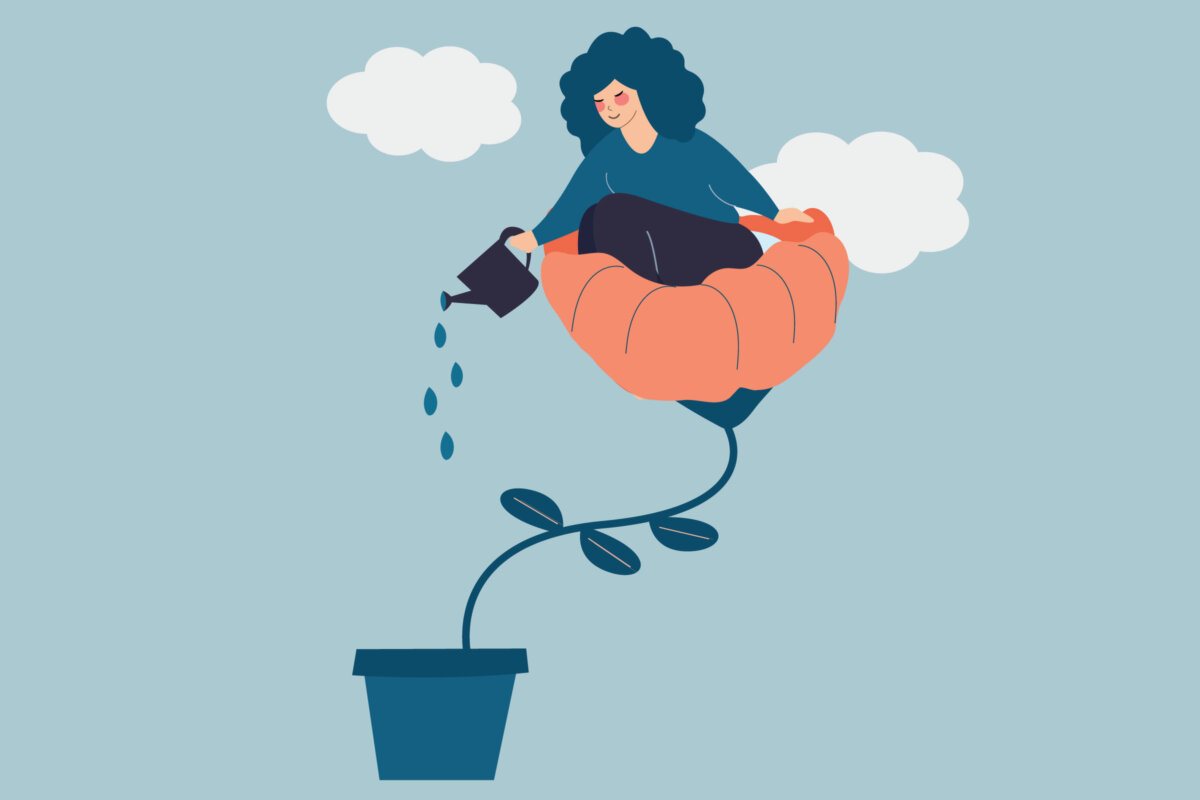
Spring is the time to grow, so if your New Year’s resolutions have withered, don’t worry about it. Winter is a poor season to sprout new habits or projects—but these final weeks of the season are the perfect time to prepare for a spring bloom.
The Ebb of the Year
Poets and painters have used the seasons as metaphors for everything from the stages of human life to the rise and decline of civilizations. Seasons were a universal language. People intrinsically knew how the cycle of the year changed nearly every aspect of their lives, from what they ate to how long they slept.
We may think our migration to indoor work and play has disconnected us from the seasons, but even our hermetically-sealed homes and offices can’t fully separate us from the solar cycle’s effect on all life on this planet. Especially for those in the northern climates, winter is the time of things ending, a time of stillness and retreat.
Winter is a great time to set resolutions to stop doing things, to withdraw yourself from activities, and to recede from certain endeavors. But it is a poor time to take up an exercise regimen or start a project that requires abundant energy. For these activities, you want to catch the wave of growth that comes with spring, when life reawakens and sets its intent upon expansion. This pattern is one humans have lived with for millennia and is imprinted in our bones. When we time our growth with that of springs’, the whole hemisphere grows with us.
Preparing to Plant
Many gardeners are now planning their plots, pondering what plants will do best where and when they should set their seeds in the soil. They are anticipating spring’s arrival and the rebirth it brings.
We can apply this idea to the rest of our lives as well. Now is a great time to take stock of where we are at and where we may want to make progress in the months ahead. This requires some reflection. It may not yet be time to start working on our goals, but it is an important time to identify them.
The very best goals arise from our truest selves. They are self-concordant, writes happiness researcher Pelin Kesebir.
“Self-concordant goals are goals aligned with who we are and what we really want to do in our lives. They are born directly from our authentic values and interests, rather than external pressures,” she writes.
Winter is a time of self-reflection and letting go—a process that creates clarity for focused efforts in spring. If you haven’t done this yet, now is the time. This process can remind us of the true value of virtues and give us a clearer sense of ourselves.
Why Set Goals at All?
If you don’t normally set goals or resolutions, you may not believe it to be a worthwhile process, however, both our ancestors and researchers have affirmed the value of doing so. “Decades of research reveal that having goals and making progress on our goals is linked with greater well-being,” writes Ms. Kesebir.
If you don’t set goals because you’ve tried and repeatedly failed in the past, it may be because you need some support from others, better insight into what makes for effective goals, or a deeper understanding of how to recover from failure. Setting the right goals at the right time will certainly set us on the right path, but staying on track isn’t effortless. Sooner or later we’re going to struggle.
To stay on the path, we’ll need forbearance and a resilient mindset. Leo Babauta, author of Zen Habits, writes that we can nurture a resilient mindset by staying keenly focused on reasons for our goals and finding a deep sense of commitment.
In the few remaining weeks of winter, you still have time to learn more about yourself, set some goals, and craft a plan for the season of growth.
Views expressed in this article are the opinions of the author and do not necessarily reflect the views of The Epoch Times. Epoch Health welcomes professional discussion and friendly debate. To submit an opinion piece, please follow these guidelines and submit through our form here.