



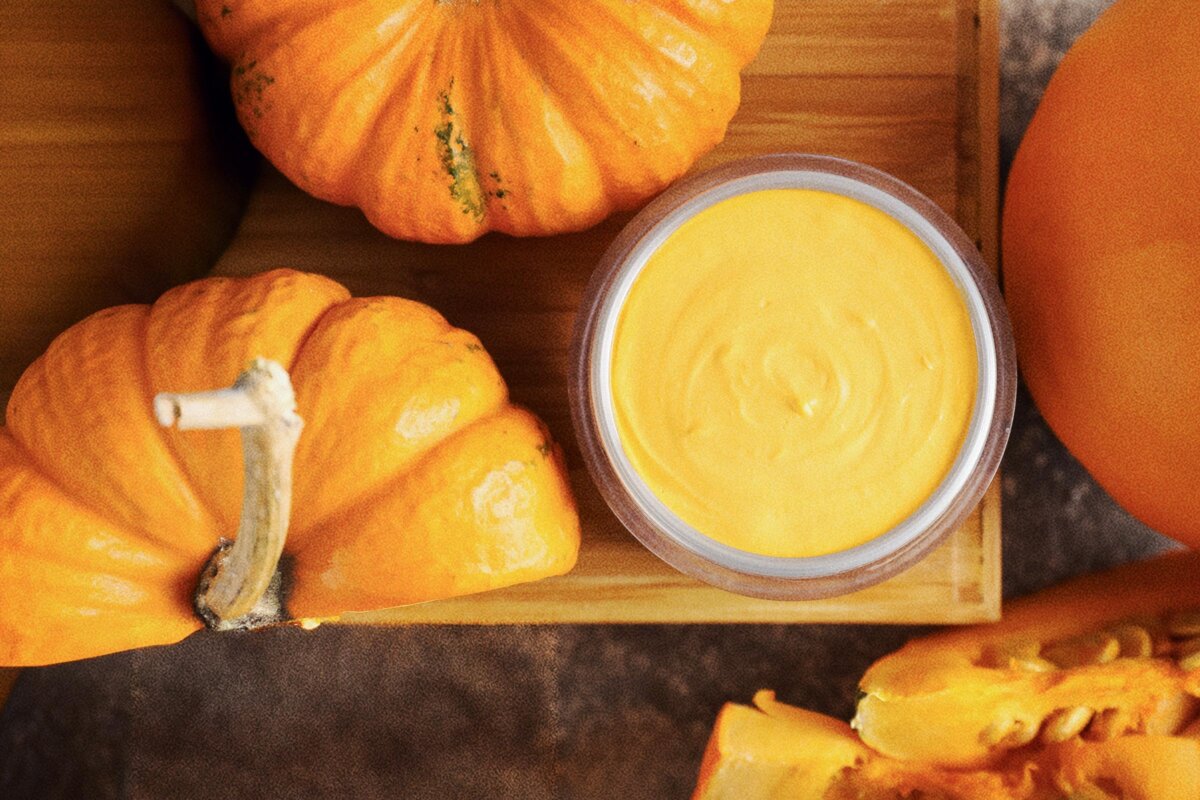
As the air turns crisp and the colors deepen, winter squash takes center stage—from market bins to front porch displays. Long cultivated across the Americas for its nourishment and natural healing properties, this fall favorite offers more than comfort food. Its vibrant colors capture the spirit of the season and hint at the powerful nutrients inside that support healthy, resilient skin.
Colorful Nutrients Nourish Skin
Orange pumpkins are rich in antioxidants, including beta-carotene and carotenoids—nutrients that play a key role in skin protection and renewal.
Yellow squash provides a good source of potassium, magnesium, and fiber, which indirectly support skin health by ensuring bodily processes such as hydration and cellular function.
Green varieties of squash offer a range of essential vitamins and minerals. Vitamin A aids in cell turnover, and vitamin C helps with the production of collagen, a necessary component in maintaining skin appearance and health. Vitamins B, D, and E play a crucial role in maintaining moisture and tone, as well as protecting the skin.
Winter squash is incredibly versatile. Although most people benefit from eating its flesh, it can also be transformed into a nourishing face mask or a gentle hand moisturizer that delivers rejuvenating vitamins and antioxidants straight to the skin—a perfect remedy for the dry, chilly months ahead.
Winter Squash for Skin Care
Winter squash is packed with nutrients that help skin stay soft, smooth, and resilient. Both its seeds and its flesh contain omega fatty acids, carotenoids, and vitamin E—natural compounds that nourish and repair the skin while helping it defend against daily stressors such as sunlight, pollution, and free radicals, unstable molecules that can damage skin cells over time.
Antioxidants such as beta-carotene help combat free radicals, protect the skin from ultraviolet damage, support cell renewal, and prevent premature aging. The body also converts beta-carotene into vitamin A—a key nutrient for maintaining smooth, radiant skin.
Vitamins such as A, C, and B6 help calm and hydrate the skin, and minerals such as potassium and vitamin E aid in wound healing and moisture retention. Together, they make winter squash a soothing, natural ally for dry or sensitive skin.
Turn Winter Squash Into a Nourishing Skin Mask
Although gentle, skin masks are concentrated treatments designed to target specific skin care concerns.
Research suggests that very ripe, deep-colored squash—particularly red and orange varieties of pumpkins and winter squash—contain higher levels of beta-carotene, making them ideal for this recipe. One of my favorite types to use is Hokkaido squash, also known as red kuri. When purchasing pumpkins or squash for eating or skin care treatments, choose mature, organic fruit from a trusted source.
Soothing Skin Mask
Use this mask on your face, neck, or hands to leave them soft, hydrated, and refreshed.
Milk’s lactic acid adds a mild exfoliating effect to this recipe, helping remove dead skin cells and open the pores for the mask’s nutrients to enter. Honey adds extra moisture and offers gentle antibacterial benefits.
Ingredients:
- 1/3 cup squash or pumpkin flesh
- 1/4 teaspoon whole milk or heavy cream
- 1/2 teaspoon raw honey
Instructions:
- Use only the flesh of the squash or pumpkin.
- Cook the squash or pumpkin until soft, then purée into pulp.
- Add milk and honey and mix well.
Application:
- Apply the mask evenly to the skin and allow it to penetrate for 10 to 15 minutes.
- Remove with a washcloth and plenty of warm water.
- Store any leftover squash mask in a sealed, airtight container in the refrigerator for up to one week.
- Before reusing, let the mixture come to room temperature or gently warm a small amount on the stovetop. Test the temperature before applying it to sensitive facial or neck skin.
- If you are prone to food allergies or skin sensitivities, test a small amount of the skin mask on the underside of your wrist before use.
If you have ideas or questions about herbalism, health, or gardening that spark your curiosity, leave a comment and let us know what you’d like us to explore next.