


You know that feeling when a sharp remark suddenly changes your whole body? Your jaw tightens, your heart races, and your mind begins loading comebacks.
Anger rises up your throat, reaches your head, and ruins your peace. It bothers you for hours. Although there is nothing “wrong,” you soon feel drained, you can’t focus, and your stomach is unsettled. Sleep eludes you that night.
In traditional Chinese medicine (TCM), your response is not about what kind of person you are—rather, it reflects where your system is stuck. TCM recognizes anger and rumination as the emotional pattern of wood—one of the elements in its five elements theory. Yet the pressing impact of the wood element doesn’t end at the emotional response.
In Western science, it is said that your body is composed of various chemical elements. In TCM, it is believed that your body is made of five elements—the same elements that make up nature: wood, fire, earth, metal, and water. In your body, the elements comprise a single ecosystem, in which everything is interconnected and interdependent. The five elements theory offers a simple way to spot emotional triggers before they ripple into affecting your health.
5 Elements Reflect Dynamics in Your Body
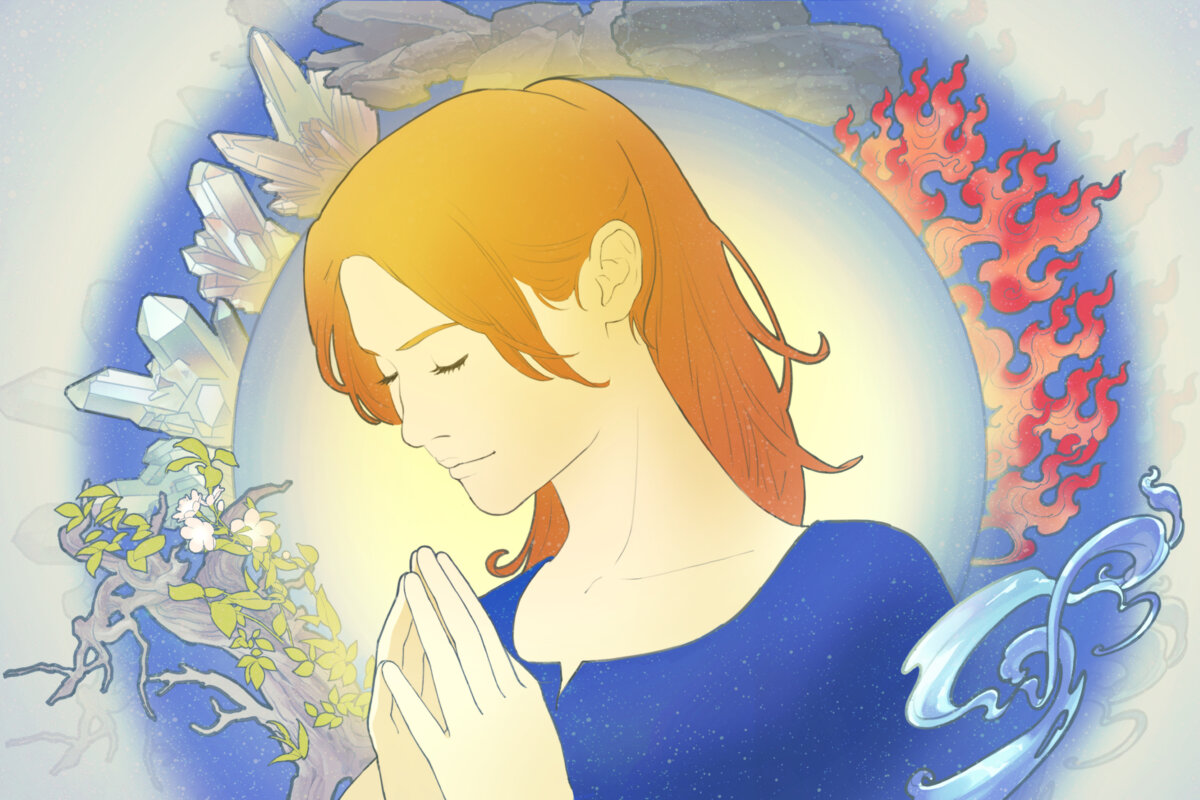
The five elements are dynamic phases in a cycle of support and regulation, in which wood feeds fire, fire creates earth, earth bears metal, metal collects water, and water nourishes wood, completing the cycle.
Each element reflects a specific kind of movement in life and in the body. Wood gives you direction and drive. Fire warms you with connection and joy. Earth grounds you, governing digestion, nourishment, and the ability to feel centered. Metal helps you discern, set healthy limits, and let go. Water holds your deepest reserves—your willpower, rest, and capacity to recover.
The five elements theory explains why a single emotional trigger can disrupt your mood, digestion, and sleep. Just like the seasons shift, the elements describe how life’s vital energy, known as “qi,” flows through your body, influencing your emotional and physical health.
For example, in the context of the inconsiderate comment discussed earlier, wood is the force that seeks growth, direction, and forward motion. When wood can’t spread its branches, it doesn’t stop growing—it naturally presses and twists, like a tree trapped in a corner. In other words, when forward-moving energy feels blocked—by disrespect or rudeness, in this case—it leads to anger and a feeling of being stuck. Pent-up wood energy then affects other elements.
A healthy fire element is associated with the heart and represents joy, warmth, enthusiasm, and connection. However, if fueled by emotions such as suppressed anger, fire can flare up as a vengeful response. Momentarily, you feel as though you have the upper hand, but later you may feel that you compromised your own values. Even if you stay silent, the inner fire can keep burning, turning you overly critical, which feeds metal.
A healthy metal element is like a finely forged knife that cuts and sorts, supporting clear thinking and discernment. It corresponds to the lungs and large intestine, and manages breathing, release, and detoxification—taking in what is pure and releasing what no longer serves you. When the metal energy is too weak, it cannot cut off negative emotions, and you may experience sadness. Physically, it may present as tight breathing, a heavy chest, or constipation, alongside recurring negative thoughts.
Over time, that same tension can sink into earth, showing up as worry. When worry lingers on, water is affected, too. You may develop anxiety or fear of the future.
TCM’s five elements theory helps you recognize where the cycle is out of balance right now, and how to rebuild lost harmony.
[series_posts_list][/series_posts_list]
Rebuilding the Balance
As a TCM physician, I recommend paying attention to which “season” you tend to live in. Cultivating emotional awareness is the key.
Notice which element is dominant: Some people are always in wood mode, busy planning and stressing, and some in fire, overstimulated and restless. Others are either stuck in earth, overthinking and worrying, or in metal, sad and grieving. Others are submerged in water, shut down and fatigued.
Rather than labeling these traits as “personality flaws,” TCM sees them as the way qi energy moves through the body’s systems. A person can be effectively guided toward balance through daily choices. You can embrace these small rhythms to turn the five elements into practical health solutions:
- Supporting the body through daily practices of slow, mindful breathing strengthens metal.
- Eating warm, cooked meals in regular routines stabilizes earth.
- Connecting with friends and family or going for a light walk together calms fire.
- Movement and gentle stretching exercises free wood.
- Early bedtime, self-reflection, and rest nourish water.
Beyond emotions, the five elements are linked to the five major organs, the five colors, the seasons, flavors, virtues, and more. However, the five elements are more than a set of specific correspondences; they are a broader philosophy of health and life.
In TCM, health is about recognizing the earliest moment your system loses its balance and making a small intervention to keep the cycle flowing. The next time you feel emotionally overwhelmed or have unexplained symptoms, pause and ask: “Where is this showing up right now, and which element needs my support?”
Remember, when you view the human body not as isolated organs but as a living ecosystem in continuous transformation, health becomes a process of relationship—with nature, with time, and with yourself.
Views expressed in this article are the opinions of the author and do not necessarily reflect the views of The Epoch Times. Epoch Health welcomes professional discussion and friendly debate. To submit an opinion piece, please follow these guidelines and submit through our form here.