



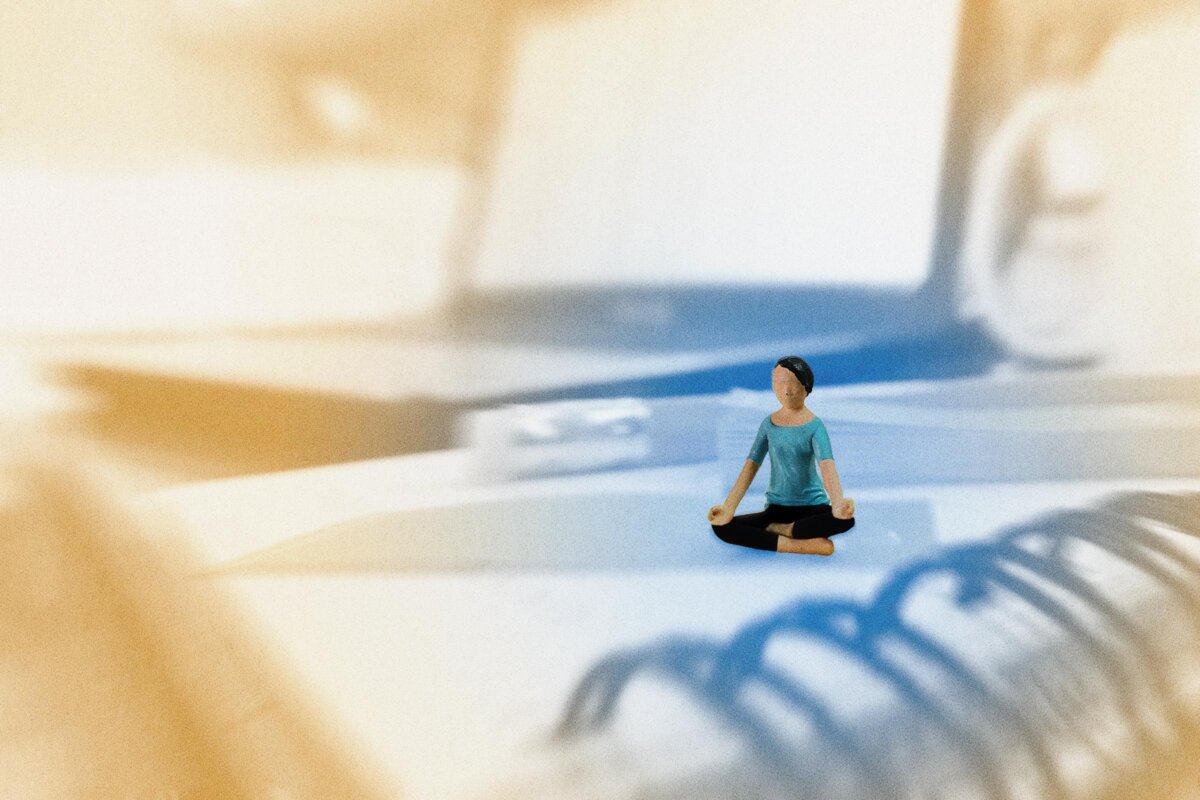
Calm. Just saying the word makes you feel, well, calm. Tensions melt away, your breathing and heart rate slow, and your mind feels serene and uplifted.
Why does something that brings such peace often feel so elusive? Why are some people able to access it more easily than others? Perhaps it’s because they have experienced and understand the benefits it brings—less stress, fewer regrets for things said, less repair needed for actions taken in the heat of the moment.
Calm is not reserved for when life is easy or flows as we wish. The moments when calm is most needed—and most difficult to access—are precisely when life is chaotic, when the unexpected happens, when stress arises. It is in these moments that we are tested. Will we become angry, resentful, or unkind? Or will we take a step back, remain calm, and see the situation rationally rather than reacting out of fear or frustration?
Calm, far from being passive, is an active choice. When we react, we surrender control to others or to our circumstances. Our bodies tense, words spill out before we think, and we are driven by urgency and emotion. Reacting is immediate—and sometimes even justified—but often escalates problems rather than resolving them.
Calm in Action
Think back to times when you reacted impulsively. How did you feel afterward? Now, recall moments when you remained calm in a difficult situation. Did things seem lighter, clearer, easier to manage? Like turbulent waters, a stressed mind distorts reality. A calm mind allows clarity to surface, letting us respond intentionally rather than instinctively. Calm does not mean we don’t care—it means we care enough to respond thoughtfully. It means we understand that what we put out into the world eventually comes back to us.
We may not be able to control the world around us, but we can control how we respond. We can do this by noticing our thoughts in the moment and reframing them positively—such as saying, “I want a good outcome from this situation, not just to win the argument or prove my point”—which sets the stage for better outcomes. We can also pause to consider the other person’s perspective; perhaps that person is having a bad day or dealing with personal issues we’re not aware of. Responding calmly and with empathy can even turn a situation around, making life feel more harmonious.
While it may not be easy in every moment, remaining calm is always worthwhile—it bestows a sense of empowerment, replacing feelings of hopelessness or helplessness. Calm opens the door to understanding. Problems feel more manageable. Other people’s words or behaviors feel less personal. Our mistakes feel less catastrophic. Calm provides perspective—the ability to see things as they are, rather than through the lens of stress and emotion.
Staying calm leaves a positive impression on others, reflecting patience, composure, and strength of character. True strength, contrary to what we might sometimes believe, is not found in yelling at or outdoing someone, or winning an argument. It is found in self-control, consideration for others, and the ability to show compassion—even in the face of unkindness.
Health and Harmony
Beyond mental and emotional benefits, science shows that calm also has tangible effects on our physical health. A 2020 study published in Psychoneuroendocrinology found that worry and stress put the body on high alert, raising stress hormones and disrupting heart function, while staying calm or relaxed lowers stress hormones and supports the immune system.
Another study published in Brain, Behavior, and Immunity found that older adults who frequently use an adaptive emotion-regulation strategy called “cognitive reappraisal” (reframing stressful situations in a calm, thoughtful way) show lower levels of inflammation and healthier immune aging after stressful life events. The findings suggest that effective emotional regulation may protect the immune system and reduce stress-related health risks as we age.
The beauty of calm is that it’s always available. You don’t need perfect circumstances, silence, or a vacation from your life to access it. You can choose calm in traffic, in difficult conversations, and in moments of disappointment. Sometimes, calm is as simple as taking one slower breath and reminding yourself: “I don’t have to let emotion control my response.”
The more often you choose calm, the more natural it becomes. It shapes how you speak, how you listen, and how you move through the day. Slowly, life begins to feel less like something happening to you and more like something you’re thoughtfully participating in. Calm is not avoidance. Calm is not weakness. Calm is a conscious choice—a choice to respond with confidence, compassion, and self-restraint.
The next time you’re faced with a difficulty—when a person or circumstance throws you a curveball, as will inevitably happen in life—pause for a moment and ask yourself: “Will I simply react, or will I respond with a calm heart and mind?”
The choice is yours.