




Sleep plays a crucial role in human health. Sleep disorders such as insomnia, poor sleep quality, or inadequate sleep duration not only weaken the immune system, impair memory, and disrupt hormonal balance but also potentially increase the risk of cancer.
In traditional Chinese medicine (TCM), sleep is considered a crucial factor in maintaining the body’s balance of yin and yang. Therefore, TCM offers various methods to improve sleep quality, including acupressure, diet therapy, herbal teas, and exercise. These methods help alleviate issues such as nocturia (sleep disruption due to the need to urinate) and restlessness, thereby promoting restful nights.
3 Major Harms of Sleep Disorders
The following are the main effects sleep disorders can have on the body:
- Impaired immunity: Poor sleep quality not only affects the immune system, rendering it ineffective in combating viruses, bacteria, and other foreign invaders, but also increases susceptibility to various diseases, including certain types of cancer.
- Memory decline: Insufficient sleep can leave the brain feeling sluggish, diminishing concentration, cognitive abilities, and judgment and making it difficult to handle daily tasks or learning activities effectively. Sleep serves as a time for bodily repair and plays a crucial role in consolidating long-term memory. Inadequate sleep duration deprives the brain of sufficient time to form long-term memories. This can lead to difficulties in memory retention, such as remembering facts for an exam, regardless of one’s efforts to study during the day.
- Hormonal imbalance: Staying up late disrupts the body’s natural physiological rhythms, leading to hormonal imbalances. Notably, this poses a greater risk to women, as it could potentially trigger gynecological cancers.
Effective Ways to Overcome Insomnia
If you frequently experience the following three types of insomnia, consider trying TCM methods to improve sleep quality and enhance your overall quality of life.
Problem 1: Difficulty Sleeping Due to Excessive Daytime Sleepiness
This type of sleep disorder is prevalent among older people. They often leave the television on during the day and unintentionally doze off. Then, they find it difficult to fall asleep once they lie down at bedtime. This is because their sleep has been “fragmented” and they haven’t established a complete sleep cycle. The solution is simply to avoid napping for more than half an hour during the day to prevent it from affecting nighttime sleep.

According to TCM, meridians are the channels through which energy flows in the human body. The body consists of 12 major meridians, each corresponding to a specific organ. Along the meridians are specific points known as acupoints, which possess unique functions. By stimulating the corresponding acupoints through techniques such as acupuncture and massage, it is possible to treat diseases related to specific organs.
You can massage a specific acupoint called the pain relief acupoint during the day to help you help you stay alert and prevent daytime drowsiness, thus facilitating easier sleep at night. First, locate the flat surface of the tragus, the pointed nub above the ear lobe. Divide the tragus vertically into two halves, then further divide it horizontally into three parts; the uppermost intersection of those dividing lines is where the acupoint is located. Press and massage this acupoint in the morning and afternoon for five to 10 minutes each time.
Note: Do not press the pain relief acupoint at night, as it may increase alertness and lead to difficulty falling asleep.
Problem 2: Difficulty Falling Asleep Due to Racing Thoughts
This type of sleep disorder is often seen in people experiencing high work-related stress. Despite lying in bed, their minds are constantly filled with racing thoughts: “Do I have everything covered for tomorrow’s meeting? Have I overlooked any details in my presentation? Is the budget properly managed?”
A simple solution is to keep a notebook by the bedside and jot down any worries that come to mind. Writing them down instead of ruminating over them engages your hands and mind, prompting deeper reflection. By externalizing your worries, you will feel more relaxed, improving your sleep ability.
Herbal Soup to Promote Sleep and Ease Anxiety
Additionally, you can prepare a pot of chicken soup with mushrooms and dried daylilies in the evening.
From a TCM perspective, one reason a person cannot get sleep is liver qi stagnation linked to stressful feelings. Dried daylilies help regulate liver qi, calm the mind, clear heat, detoxify, promote sleep, and alleviate anxiety. A study published in the Chinese Journal of Physiology in 2023 revealed that adult volunteers who received water extracts of daylily flowers experienced improvements in sleep quality, sleep efficiency, and daytime functioning. Additionally, they exhibited reduced sleep latency compared with adult volunteers who received water alone.
On the other hand, shiitake mushrooms contain polysaccharides, which enhance the immune system. Sun-dried shiitake mushrooms have higher vitamin D content, aiding in calcium absorption and contributing to the growth and development of bones and teeth. Below are the ingredients and instructions for making this soup.
Ingredients:
- 0.7 ounces dried daylilies
- 3 pieces dried shiitake mushrooms
- 1 chicken thigh (cut into pieces)
- 3 slices mature ginger
- Pinch of salt
Preparation:
- Rinse the dried shiitake mushrooms and daylilies thoroughly and soak them until soft. Slice the shiitake mushrooms.
- Blanch the chicken thigh pieces in hot water and set aside.
- Bring a pot of water to a boil, then add the chicken thigh pieces, ginger slices, and shiitake mushrooms. Reduce the heat and simmer for 25 minutes.
- Add the daylilies and continue to simmer for an additional 10 minutes.
- Season with salt to taste before serving.
2 Acupoints to Calm the Mind and Promote Sleep
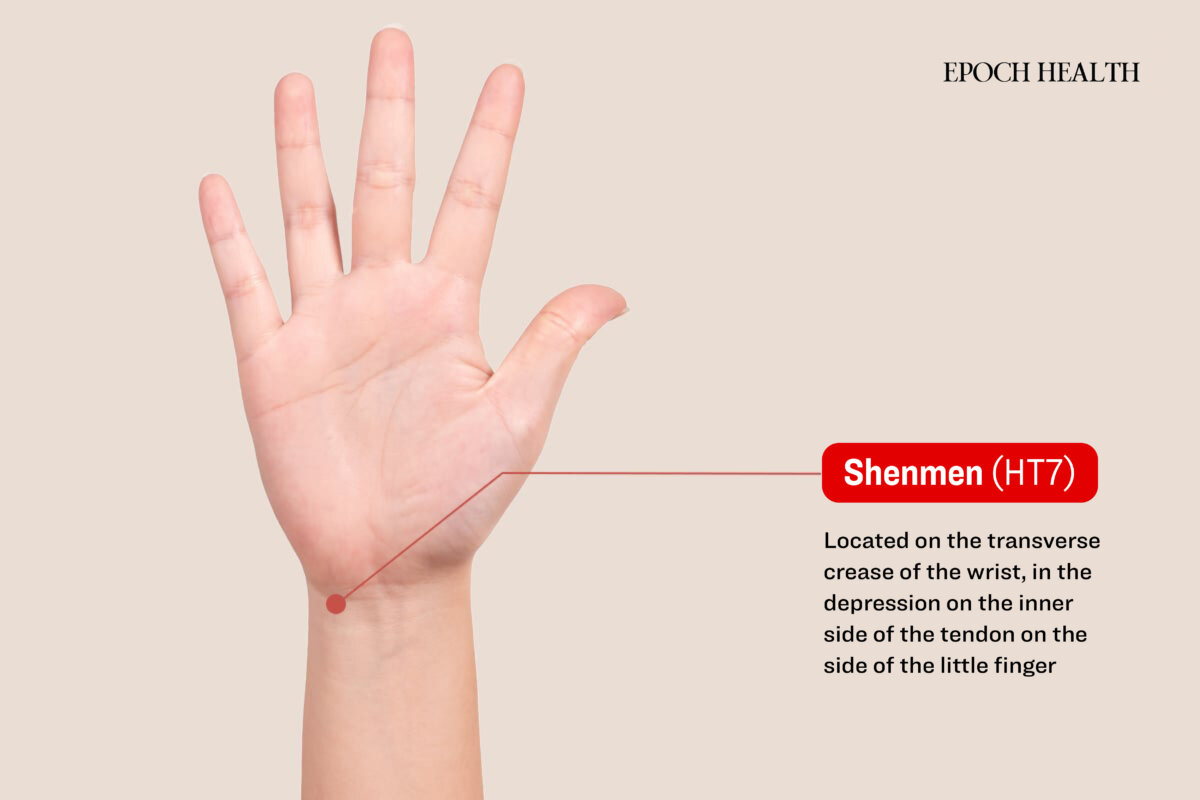
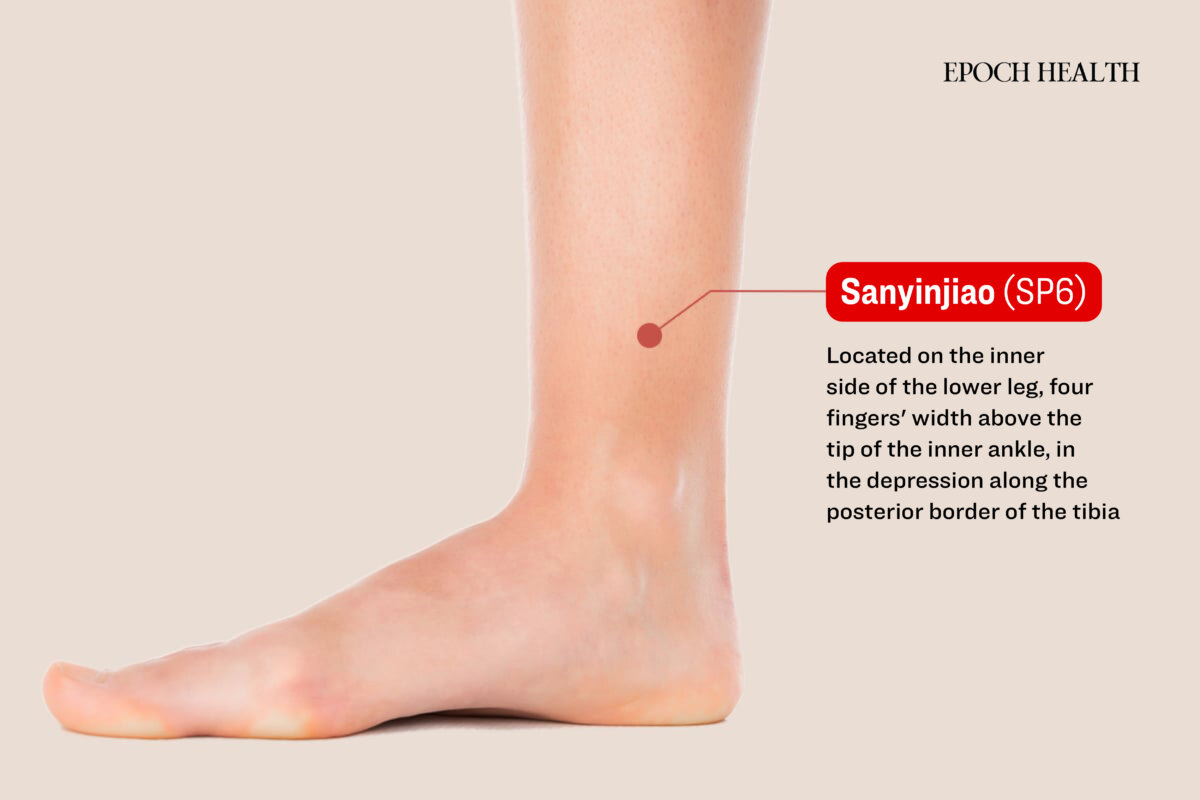
Another method to calm the mind involves massaging two acupoints before bedtime: the Shenmen and Sanyinjiao acupoints.
Research has shown that stimulating these acupoints can calm the mind and promote sleep. The Shenmen acupoint is located above the inner wrist crease, toward the pinky finger side, and the Sanyinjiao acupoint is located on the inner side of the leg, four fingers’ width above the ankle bone. You can massage the Shenmen acupoint with one hand and the Sanyinjiao acupoint with the other hand, each for five to 10 minutes. Doing so can regulate your nerves and endocrine system, making it easier to fall asleep.
Problem 3: Disrupted Sleep Due to Frequent Urination
This type of sleep disorder is common among those with kidney deficiency. They are often awakened by nocturia and may experience symptoms such as frequent urination, soreness and weakness in the lower back and knees, soreness of muscles and bones, tinnitus, dizziness, and fatigue. These are due to a deficiency in kidney qi, leading to an inability to retain fluids and a loss of bladder control. The solution is to nourish the kidneys and promote diuresis, thereby improving the health of the urinary system and gradually alleviating nocturia.
Consume Kidney-Nourishing Tea to Help Alleviate Nocturia
One effective method is to drink a cup of kidney-nourishing tea in the afternoon. Its ingredients include four herbs: Astragalus root, Plantaginis seed, corn silk, and Herba Lysimachia. These Chinese herbs are known for their diuretic, anti-inflammatory, and heat-clearing properties, making them beneficial for people who experience frequent urination with low urine output. The tea is also suitable for individuals with hypertension and diabetes.
Ingredients:
- 0.5 ounces (15 grams) of Astragalus root
- 0.9 ounces (25 grams) of Plantaginis seed
- 0.9 ounces (25 grams) of corn silk
- 0.9 ounces (25 grams) of Herba Lysimachia
Preparation: Rinse the above ingredients thoroughly, add 34 fluid ounces of water, bring to a boil, then simmer over low heat for five to 10 minutes before consuming.
Engage in Pelvic Floor Exercise to Reduce Frequent Urination
Another method is to dedicate time before bed each day to perform pelvic floor exercises. This exercise can strengthen your pelvic muscles, improve bladder function, and even tone your lower abdomen. Here are the steps for performing the exercise:
- Lie flat with your knees bent, ensuring your back remains flat against the ground. Lay your hands flat beside your body.
- Slowly lift your hips, tightening your buttocks and pelvic floor muscles, and hold for about 10 seconds before lowering back down.
- Repeat step 2, performing 5 to 10 repetitions.
Developing the habit of performing the pelvic floor exercise every night helps maintain bladder function and tone the lower abdomen.
Some herbs mentioned in this article may be unfamiliar, but they are generally available in health-food and Asian grocery stores. It is important to note that treatment methods may vary depending on the individual. Please consult a health care professional for a specific treatment plan.