




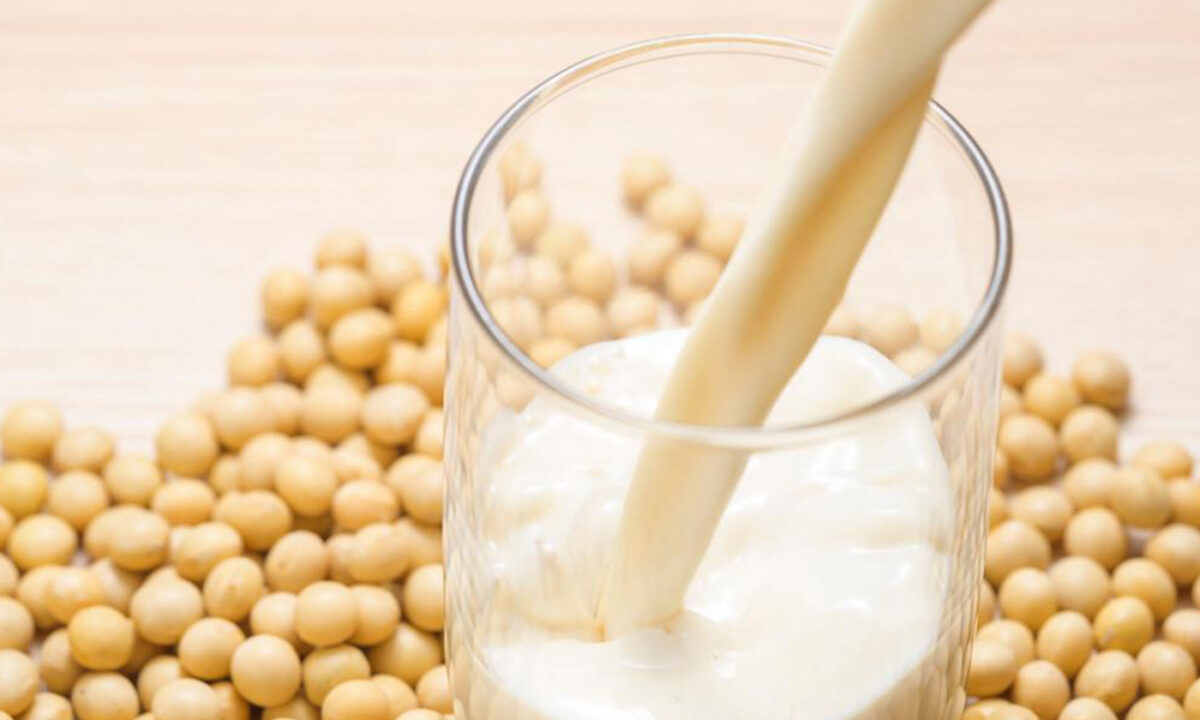
China has used soybeans to make soy milk for health purposes for 2000 years. Although studies have found that soybeans have many health benefits, some believe their soy isoflavones are carcinogenic or may affect thyroid function. Should we drink soy milk or not? If so, what is the best way to drink it?
On the TV program “Health 1+1,” Zhang Weijun, a fifth-generation traditional Chinese medicine practitioner of Taiwan Huai Sheng Tang, reveals these mysteries and shares the healthiest way to drink soy milk.
Legend says that during the Western Han Dynasty in China, Liu An, prince of Huainan, soaked, then ground yellow beans to make soy milk daily and gave it to his sick mother. His mother’s condition gradually improved, and soy milk was passed down through generations.
Modern research has also found that soy milk has many benefits, such as lowering cholesterol, promoting bone health, relieving menopausal symptoms, and improving memory. Why does soy milk have so many health benefits?
Nutritional Value of Soy Milk
Soy milk is an excellent source of plant protein. According to Zhang some women over 40 years of age attempt to manage increased anxiety by consuming starches but neglect protein supplementation, which causes clinical symptoms such as fatigue, anxiety, depression, low mood, palpitations caused by anemia, muscle atrophy, immune function decline, susceptibility to infection, and inflammation. These symptoms usually improve when the patients consume more protein.
Protein is a nutrient needed for liver metabolism and detoxification. Protein deficiency may lead to abnormal liver function and symptoms such as fatty liver. With years of clinical experience, Zhang pointed out that drinking soy milk can effectively improve fatty liver regardless of the severity of the condition.
4 Health Benefits of Soy Lecithin:
1. Reduces Blood Fat
Soy lecithin acts as a cleaner for blood vessels, inhibiting cholesterol absorption in the intestines and converting it into bile acid, thereby reducing fat in the blood.
2. Helps Nervous System, Improves Cognitive Impairment, and Memory Function.
Phosphatidylcholine in soy lecithin is an essential component of acetylcholine, a neurotransmitter, which can help increase memory and cognitive ability.
3. Has Antioxidant Effects
Soy lecithin prevents free radicals from damaging DNA and causing bodily dysfunction or abnormalities.
4. Dilutes Bile, Reduces Cholesterol Crystals, and Prevents Gallstones
Concerns About Soy Estrogen
Isoflavones in soy are plant estrogens. Menopausal women often experience hot flashes, sweating, palpitations, and anxiety due to a significant decrease in estrogen levels affecting calcium absorption. Zhang said that menopausal women can increase calcium intake by consuming soy milk to alleviate hot flashes and improve osteoporosis.
Zhang pointed out that reproductive system cancers are estrogen-dependent and rely on estrogen to develop and grow, and that some people worry that increasing isoflavone intake by drinking soy milk will cause those types of cancers.
Zhang said that studies have overturned this worry because estrogen must bind to receptors to function correctly. Ingested isoflavones compete with human estrogen for receptor binding sites, slightly reducing excessive human estrogen levels. When human estrogen levels are insufficient, isoflavones can supplement them—therefore, isoflavones have a dual regulatory function that balances estrogen levels in the body and thus reduces the incidence of reproductive system cancers.
Zhang mentioned that compared to Western countries where people mainly drink cow’s milk, Eastern women who often consume soy have a lower incidence of reproductive system cancers. If soy is fermented into miso or sprouted soy milk is consumed, it will have a better preventive effect on reproductive system cancers.
Does Soy Isoflavone Affect Thyroid Function?
Zhang said that estrogen inhibits thyroid function, and the higher the estrogen level, the lower the thyroid function. However, since isoflavones are weaker estrogens, their inhibition of thyroid function is also weaker.
It is important to have one’s thyroid condition assessed. Zhang pointed out that for people with hyperthyroidism, consuming isoflavones in soy can help inhibit the condition, and they can drink up to two cups (500 ml) of soy milk per day. But if one is unsure about their thyroid function, Zhang recommends drinking, at most, 7 fluid ounces (207 ml) of soy milk daily.
Black Soy Milk and Sprouted Soy Milk
The nutritional value of black soybeans is different from that of yellow soybeans. The outer skin of black soybeans is rich in antioxidants called anthocyanins, which contain more antioxidants than those found in yellow soybeans. Black soybeans also have higher protein and fiber content than yellow soybeans, which can help with bowel movements, regulate blood sugar, and lower cholesterol. In addition, black soybeans have lower fat content, making black soy milk more suitable for those with high blood lipids and high cholesterol, and those who require low-fat diets.
Sprouted soy milk is made from sprouted soybeans. Zhang said that black and yellow soy milk contain phytic and oxalic acids, which can hinder the body’s absorption of minerals such as zinc and iron. Lack of these minerals may cause anemia or male sexual dysfunction. Sprouting reduces the amount of phytic and oxalic acids in soybeans, making it easier for the body to absorb these minerals.
In addition, yellow and black soybeans contain protease inhibitors that hinder the digestion and absorption of protein in the body. Some people may experience bloating after drinking soy milk. However, digestive enzymes produced by sprouted soy can help the body better absorb protein in soy milk, reducing bloating.
After sprouting, soybeans’ vitamin C and B content increase significantly, especially vitamin B6. It participates in hundreds of biochemical reactions in the body and can improve mood and increase vitality.
Zhang said that sprouted soy milk also conforms to the characteristics of “germination” in traditional Chinese medicine (TCM) theory. TCM believes that after food fermentation or germination, the body’s yang qi (energy) will rise, increasing vitality and improving sleep quality. Sprouted yellow soybeans can improve a weak physique while also removing some spots on the skin or dark circles on the face. Drinking sprouted soy milk can also make hair less dry.
How to Make Sprouted Soy Milk
Soak the soybeans in water for a few hours until they sprout. The soaking time is shorter in summer—about two to three hours—and longer in winter—about eight hours. After draining the soak water, cook the soybeans in fresh water until they are soft. Then put the cooked soybeans and water into a blender and blend until very fine and smooth. Do not add sugar or strain the milk to obtain all the nutrients from the whole soybean.
Zhang suggests adding sesame seeds, red dates, Job’s tears, pumpkin, or almonds to create your favorite flavor and add variety.

Soy Milk or Cow’s Milk, Which Is Better?
Zhang believes both kinds of milk are good protein sources, and the choice depends on personal dietary habits and nutritional needs.
-
Protein
Cow’s milk is an animal protein with complete amino acids, containing about 3.3 grams of protein per 100 grams of milk. Soy milk is a plant protein that lacks certain amino acids, such as methionine and cysteine, containing 2.6 grams of protein per 100 grams of soy milk. However, because a healthy daily diet also includes other protein sources such as meat, fish, and eggs, soy milk’s lack of amino acids has little impact.
-
Allergy Considerations
The main protein in cow’s milk is casein, which can cause allergies and symptoms such as itchy skin, respiratory allergies, and gastrointestinal discomfort. Soy milk causes fewer allergies.
-
Digestive Problems
Some people may experience diarrhea after drinking cow’s milk, due to an intolerance to the lactose in the milk. In this case, fermented dairy products or soy milk can be consumed instead. However, although soy milk does not contain lactose, some people may experience bloating after drinking it due to indigestion. Drinking a small amount of soy milk gradually can help the digestive system adapt. If bloating still occurs, it is usually because the soy milk was not boiled during production—saponins in the soybean will stimulate the gastrointestinal tract less if boiled.
-
Calcium Content
Cow’s milk is a rich source of calcium easily absorbed by the body but also contains high concentrations of casein that can excrete calcium from the body and reduce calcium levels. Thus, countries with high dairy consumption like Europe and America have higher osteoporosis rates. Although soy milk contains less calcium than cow’s milk, the isoflavones in soy milk can help absorb and utilize calcium, so drinking soy milk can provide more calcium overall.
-
Fat
Cow’s milk has a higher fat content, especially saturated fat, and contains some cholesterol. Soy milk has a much lower fat content and is more suitable for people with high blood lipids or cholesterol. However, for vegetarians, cow’s milk can supplement protein and fat and also contains vitamin B12, which vegetarians usually lack—therefore, it may be a better choice.
Who Is Suitable for Drinking Soy Milk?
Soy milk consumption is good for those with:
1. Constipation or Irregular Bowel Movements
Soy milk can promote intestinal probiotics, especially the plant fiber in soybean dregs which is food for intestinal bacteria. Zhang suggests that people with constipation can drink soybean dregs to help with bowel movements. If the stool is very thin, there are not enough probiotics in the intestines—drinking soy milk can cultivate intestinal probiotics so that stool becomes thicker and more moderate.
2. Gallstones
Soy lecithin can dilute bile composition, reduce bile viscosity, decrease cholesterol crystals, improve gallstones, and protect the gallbladder.
3. Declining Memory
Nerve conduction requires lecithin. Soy makes nerve conduction smoother and less prone to disconnection. Sometimes we forget something halfway through thinking about it—this indicates memory decline. Soy lecithin can enhance nerve cell conduction function and improve cognitive function and memory.
4. Cardiovascular Disease
Saponins and flavonoids in soybeans can reduce cholesterol levels and improve cardiovascular disease.
5. Osteoporosis
Soy milk is rich in calcium and contains isoflavones that help absorb calcium.
6. Viral Infections
Soy saponins have antiviral effects.
7. Lower Limb Edema or Ascites
TCM literature suggests that drinking 200ml of black soybean milk can help reduce swelling for those with lower limb edema or ascites.
8. Skin Rashes
Boiling black soybean milk and licorice in a 2:1 ratio and drinking the resulting mixture can help alleviate skin rashes.
Who Should Not Drink Soy Milk?
According to Zhang, people with gout or high uric acid levels should reduce their soy milk intake due to its relatively high purine content.
In addition, since soy contains incomplete proteins, people with poor kidney function should avoid drinking soy milk. These individuals can consume moderate amounts of animal protein, such as milk and chicken, under the guidance of a doctor.
People with poor gastrointestinal function or indigestion should limit soy milk consumption.