



This article includes affiliate links, which may earn us a commission, to support truthful and independent journalism (at no extra cost to you).
Teeth whitening can mean different things depending on a person’s teeth, goals, and oral health. Some people may benefit from professional options such as in-office whitening, veneers, or all-ceramic crowns, while others simply want to reduce everyday stains from coffee, tea, wine, or other habits. Because not every type of discoloration responds to the same approach, it is helpful to understand the options before choosing a product. This article focuses on common at-home methods—including whitening strips, gels, pens, and toothpaste—and what to consider before adding them to your routine.
Healthy Teeth Are Not Always Perfectly White
When people think of a “healthy smile,” they often picture teeth that are bright white. But in real life, healthy teeth are not always perfectly white. If your teeth have a slightly yellow tone, it may simply be your natural tooth color—not a sign that something is wrong.
A tooth has a white outer layer called enamel. Underneath that enamel is dentin, a hard tissue that naturally has a yellowish color. Some people have thicker enamel, while others have thinner enamel that allows more of the dentin color to show through. This is one reason why tooth color can look different from person to person, even when the teeth are healthy and well cared for.
Natural tooth color is only one part of the picture, however. Discoloration can also develop for reasons that go deeper than ordinary surface stains.
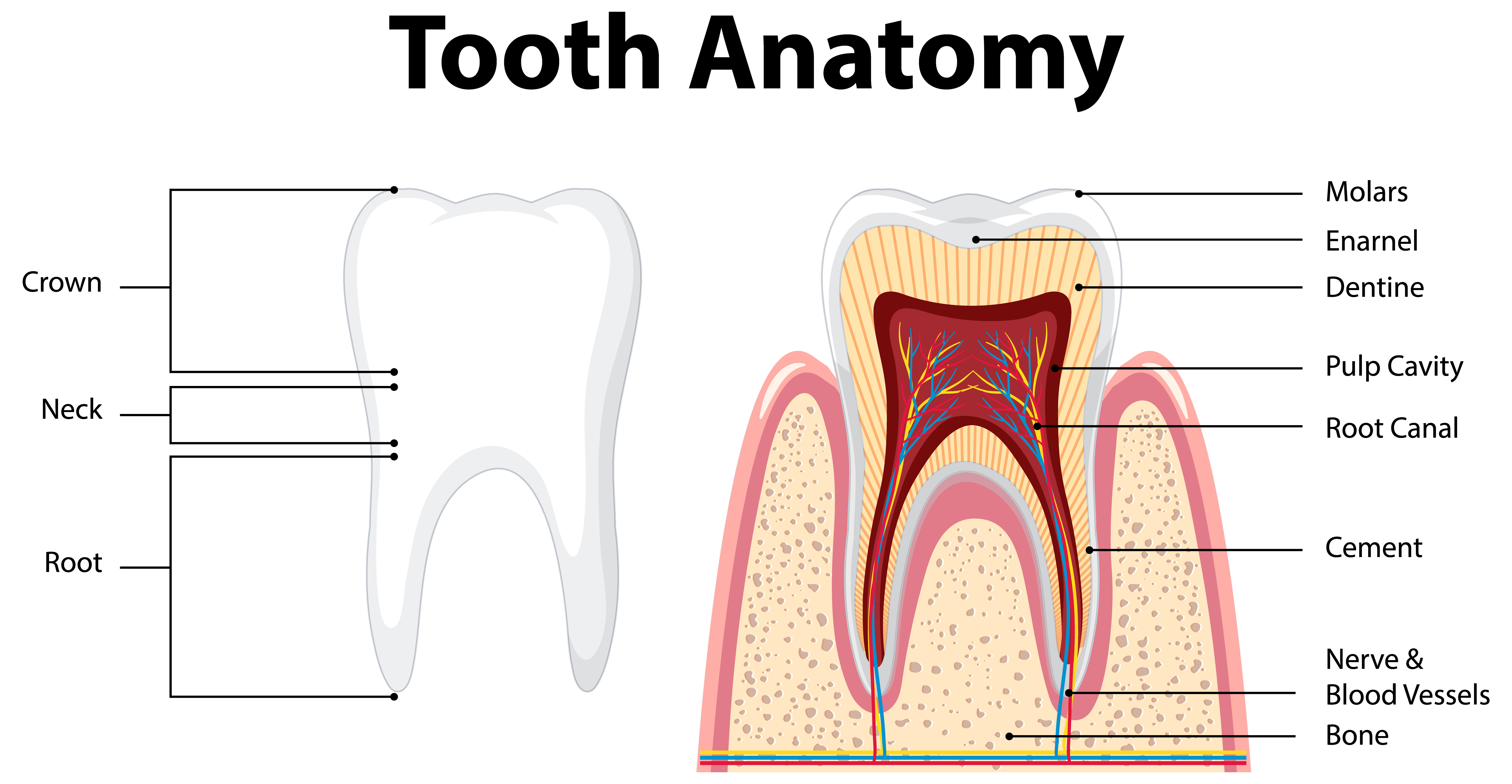
Image by Brgfx via Magnific
Tetracycline Staining and Dental Fluorosis
Not all tooth discoloration comes from coffee, tea, or daily habits. Some types of discoloration are deeper and may not respond well to simple at-home whitening products.
One example is tetracycline staining. This can happen when tetracycline antibiotics become incorporated into the tooth structure during tooth development, leading to long-lasting discoloration within the dentin.
Another example is dental fluorosis. This usually happens when too much fluoride is taken in during childhood while the enamel is still developing. It can leave white patches, yellow-brown spots, or uneven areas on the tooth surface.
If your teeth have this kind of deeper staining, it is best to speak with a dentist before trying to whiten them at home. Depending on the condition of your teeth, a dentist may discuss options such as veneers, all-ceramic crowns, or other professional treatments. These situations are different from ordinary surface stains, so they usually need a more personalized approach.
While these deeper forms of discoloration may require professional care, many of the stains people notice over time come from much more ordinary causes.
Tooth Discoloration From Diet and Daily Habits
For many people, tooth discoloration develops gradually through everyday life. Coffee in the morning, tea in the afternoon, red wine at dinner, or years of smoking can all leave stains behind. These stains often build up slowly, so you may not notice the change right away.
At-home whitening products may help improve certain types of surface stains or mild discoloration. Before choosing a product, it helps to look at the habits that may be contributing to the color change.
1. Dark-colored foods and drinks
Coffee, black tea, cola, red wine, soy sauce, berries, and other dark-colored foods and drinks can leave pigments on the tooth surface. Over time, these pigments may make teeth look more yellow or dull.
2. Repeated temperature changes
Frequent shifts between very hot and very cold foods or drinks may place stress on the tooth surface. Over time, small surface irregularities may make it easier for pigments to collect and become more noticeable.
3. Incomplete cleaning
When brushing is irregular or flossing is skipped, plaque and tartar can build up. This can make teeth look yellow, dull, or less clean, even if the natural tooth color itself has not changed much.
4. Brushing too hard
Brushing harder does not always mean brushing better. Over time, using a hard-bristled toothbrush or brushing with too much pressure can wear down enamel. When enamel becomes thinner, the yellowish dentin underneath may show through more clearly.
📝 A note before whitening: At-home whitening is generally better suited for people with healthy teeth and gums. If you have untreated cavities, gum disease, significant gum recession, mouth ulcers, or ongoing tooth sensitivity, whitening products may cause more discomfort. In some cases, whitening ingredients can reach sensitive areas through cavities or inflamed gum tissue, leading to pain or irritation.
💡 Before starting an at-home whitening routine, it is a good idea to have a dentist check your oral health. This is not just a precaution—it can help you avoid unnecessary sensitivity and choose a method that is safer for your teeth.
At-Home Teeth Whitening Products
At-home teeth whitening products come in several forms. The most common include whitening strips, whitening gels used with trays, whitening pens, and whitening toothpaste. Each type works a little differently, and each may fit a different routine.
Whitening strips are often easy to use and are designed to stay on the teeth for a set amount of time. Whitening gels, especially those used with trays, can offer more coverage and are often used as part of a more structured whitening routine. Whitening pens are usually better for small touch-ups or travel. Whitening toothpaste is generally best for daily maintenance and surface stain removal, rather than dramatic whitening.
When comparing products, you may see two common ingredients: hydrogen peroxide and carbamide peroxide. Knowing the difference between them can help you better understand how a product may feel, how quickly it may work, and whether it may be suitable for sensitive teeth.
Hydrogen Peroxide
Hydrogen peroxide is a common whitening ingredient that works more directly. When it touches the teeth, it releases oxygen molecules relatively quickly. These oxygen molecules help break down stains on the tooth surface and in the shallow layers of the tooth structure.
However, faster action can also mean a greater chance of temporary sensitivity for some people. During or after use, some people may feel tooth soreness, sensitivity to cold air or drinks, or mild gum irritation. This does not happen to everyone, but it is something to keep in mind, especially if your teeth are already sensitive.
Carbamide Peroxide
Carbamide peroxide is often described as a slower-release whitening ingredient. When it comes into contact with moisture, it gradually breaks down into hydrogen peroxide and urea. The hydrogen peroxide provides the main whitening effect, while the urea helps make the release process slower and more gradual.
Some people may find carbamide peroxide gentler than hydrogen peroxide, though sensitivity can still happen. As with any whitening product, the concentration, treatment time, and condition of your teeth and gums all matter.
At-Home Whitening Products to Compare
To help you compare your options, we gathered several popular at-home whitening products, along with brief descriptions, ingredient information, and safety considerations. The goal is to make it easier to see how the different approaches compare and which type may fit your routine.
💡 A stronger product is not necessarily the better choice. Consider your goals, sensitivity level, oral health, and whether you can comfortably follow the recommended treatment schedule.
Whitening Strips
Whitening strips are among the simplest at-home options because they come premeasured and require little preparation. The products below include both peroxide-based and peroxide-free formulas.
Crest 3D Whitestrips Professional Effects Whitening Kit (Contains Hydrogen Peroxide)

Crest 3D Whitestrips Professional Effects Whitening Kit (Contains Hydrogen Peroxide)
Brighten your smile at home with Crest 3D Whitestrips Professional Effects, an enamel-safe whitening kit made with the same whitening ingredient dentists use. Each box includes 22 treatments with upper and lower strips, featuring Advanced Seal Technology to help them stay in place while whitening. Designed for professional-level results, it helps remove stains and can make teeth up to 19 levels whiter in 22 days.
📋 Ingredients: PVP, PEG-8, Water, Hydrogen Peroxide, Acrylates Copolymer, Sodium Hydroxide, Sodium Saccharin
📌 Safety Information: Do not apply gums or other soft tissue. Do not use this product for sensitivity for more than four weeks unless advised by a dentist. Stop use and consult a dentist if sensitivity continues or gets worse, as it may indicate a more serious issue.
$45.99 on Amazon $38.46 on Walmart
(Price at Time of Publishing)
Crest 3D Whitestrips Sensitive Whitening Kit (Contains Hydrogen Peroxide)

Crest 3D Whitestrips Sensitive Whitening Kit (Contains Hydrogen Peroxide)
Whiten sensitive teeth more gently with Crest 3D Whitestrips Sensitive, an at-home whitening kit specially formulated for teeth sensitive to whitening. Accepted by the American Dental Association, this enamel-safe treatment helps remove up to 15 years of stains in three weeks, leaving teeth noticeably whiter with less irritation.
📋 Ingredients: Water; Glycerin; Hydrogen Peroxide; Carbomer; Polyvinylpyrrolidone; PEG; Acrylates Copolymer; Sodium Hydroxide; Sodium Saccharin; Pyrophosphate
📌 Safety Information: Do not apply gums or other soft tissue.Contains hydrogen peroxide, which may cause tooth or gum sensitivity. Do not use if you have sensitive teeth or gums, or if you are pregnant or nursing.
$39.9 on Amazon
(Price at Time of Publishing)
GuruNanda 7-Day Teeth Whitening Strips Kit (Contains Hydrogen Peroxide,Menthol, Coconut Oil)

GuruNanda 7-Day Teeth Whitening Strips Kit (Contains Hydrogen Peroxide,Menthol, Coconut Oil)
GuruNanda Teeth Whitening Strips make a 7-day whitening routine easy to fit into daily life, whether at home, at work, or while traveling. The dry-strip formula combines hydrogen peroxide with coconut oil, and the non-slip design helps the strips stay in place for up to 60 minutes. The kit includes five professional treatments and two express treatments to help lift stains from coffee, wine, and smoking.
📋 Ingredients: PVP K30, Glycerin, Hydroxypropyl cellulose, PVP K90, Water, Alcohol, Hydrogen peroxide, Menthol, Coconut Oil.
📌 Safety Information: These strips are intended for use on teeth only. Avoid contact with eyes or other sensitive areas. Do not apply whitening strips directly after brushing; allow some time to pass to prevent gum irritation.
$9.97 on Amazon
(Price at Time of Publishing)
InoPro Peroxide-Free Teeth Whitening Strips Kit (Hydrogen Peroxide-Free, Coconut Oil & Arbutin)

InoPro Peroxide-Free Teeth Whitening Strips Kit (Hydrogen Peroxide-Free, Coconut Oil & Arbutin)
For a gentler cosmetic whitening routine, InoPro Teeth Whitening Strips offer a 14-treatment, peroxide-free option made for sensitive teeth. The enamel-safe formula uses bearberry extract, arbutin, green antioxidants, and coconut oil to help deeply remove stains and lift discoloration without harsh bleaching effects or sensitivity. Its ingredients are tested by an accredited third-party laboratory for quality and purity, and are suitable for cosmetic use on teeth.
📋 Ingredients: Glycerin, Aqua, Cellulose gum, Disodium EDTA, Sodium chlorite, Chlorophyllin-copper complex, Coconut oil, Arbutin, Menthol, Citric acid.
📌 Safety information: Stop use if you notice irritation or experience any sensitivity. Do not swallow a plastic strip. The product should not be used in case of dental ulcer. Do not use after orthodontic and dental surgeries. Not recommended for pregnant women. Avoid contact of strips with eyes, cloth, leather or fabric.
$27.98 on Amazon $38.99 $29.99 on Walmart
(Price at Time of Publishing)
Lumineux Peroxide-Free Teeth Whitening Strips Kit(Hydrogen Peroxide-Free,Coconut Oil, Dead Sea Salt)
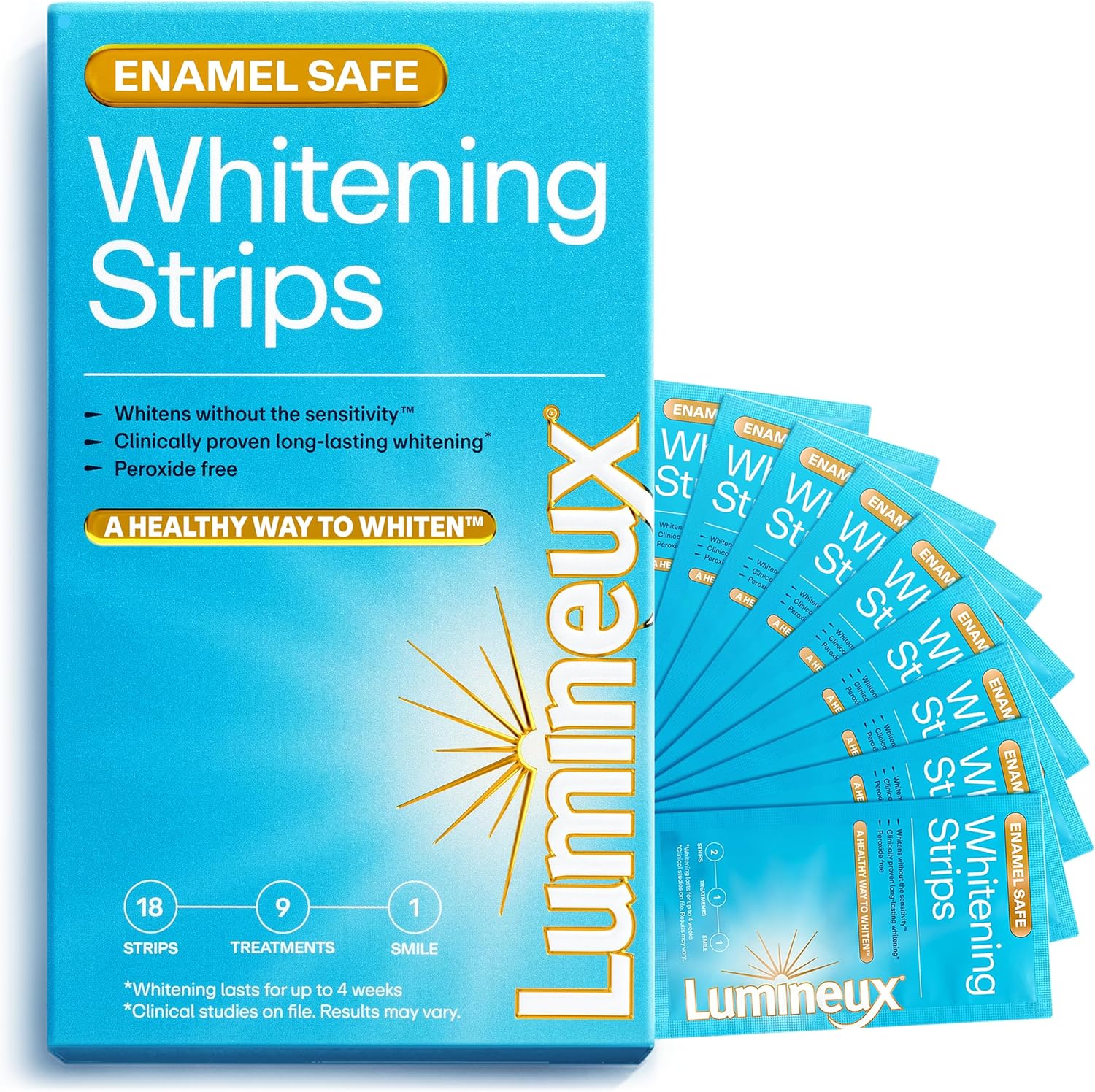
Lumineux Peroxide-Free Teeth Whitening Strips Kit(Hydrogen Peroxide-Free,Coconut Oil, Dead Sea Salt)
Whiten without the sensitivity with Lumineux Teeth Whitening Strips, a peroxide-free kit formulated by a dentist to help lift stains from coffee, tea, and wine while respecting enamel health. Made with coconut oil, sage oil, lemon peel, and Dead Sea salt, the clean formula is gentle on teeth and gums, including sensitive teeth and veneers.
📋 Ingredients: Vegetable Glycerol, Deionized Water, Carbomer, Carboxymethyl, Coconut Oil, Dead Sea Salt, Sage Oil, Lemon Peel Oil
📌 Safety Information: For external use only. Do not swallow.
$22.99 on Amazon
(Price at Time of Publishing)
Whitening Trays & Gels
Trays and gels generally provide broader coverage than strips and may use higher concentrations of whitening ingredients, so following treatment times and safety instructions is especially important.
Opalescence Go 15% Prefilled Teeth Whitening Trays (Contains Hydrogen Peroxide)

Opalescence Go 15% Prefilled Teeth Whitening Trays (Contains Hydrogen Peroxide)
With prefilled trays that comfortably conform to your teeth, Opalescence Go 15% makes at-home whitening simple and more convenient. Each made-in-the-USA treatment uses 15% hydrogen peroxide gel to help reduce deep stains and discoloration in just 15 to 20 minutes. Potassium nitrate and fluoride are included to help ease sensitivity during the whitening process.
📋 Ingredients: Glycerin, Water (Aqua), Hydrogen Peroxide, PVP, Carbomer, Potassium Hydroxide, Silica, Dipotassium Phosphate, Xylitol, Citric Acid, EDTA, Flavor and Fragrance, Sodium Lauryl Sulfate, Sucralose.
$69 on Amazon $84
(Price at Time of Publishing)
Opalescence 35% Carbamide Peroxide Whitening Gel Syringes

Opalescence 35% Carbamide Peroxide Whitening Gel Syringes
Whiten with your own trays using Opalescence 35% Carbamide Peroxide Gel, a professional-level refill kit made in the USA by Ultradent, backed by over 30 years of expertise and 50+ teeth whitening awards. The mint-flavored gel comes in four syringes and is compatible with Invisalign trays, aligners, retainers, and custom dental trays. Worn 30 to 60 minutes a day, it helps lift stains from coffee, wine, soda, smoking, and more.
📋 Ingredients: Glycerin, Water (Aqua), Carbamide Peroxide, Carbomer, Hydrogen Peroxide, PEG6, Xylitol,. Sodium Hydroxide, Pepermint Oil, EDTA, Sucralose
📌 Safety Information: May cause tooth sensitivity. Do not swallow. Consult dentist if sensitivity occurs. Clean tray after use.
$28.89 on Amazon $34 $28.89 on Walmart $34
(Price at Time of Publishing)
Auraglow LED Teeth Whitening Kit with Carbamide Peroxide
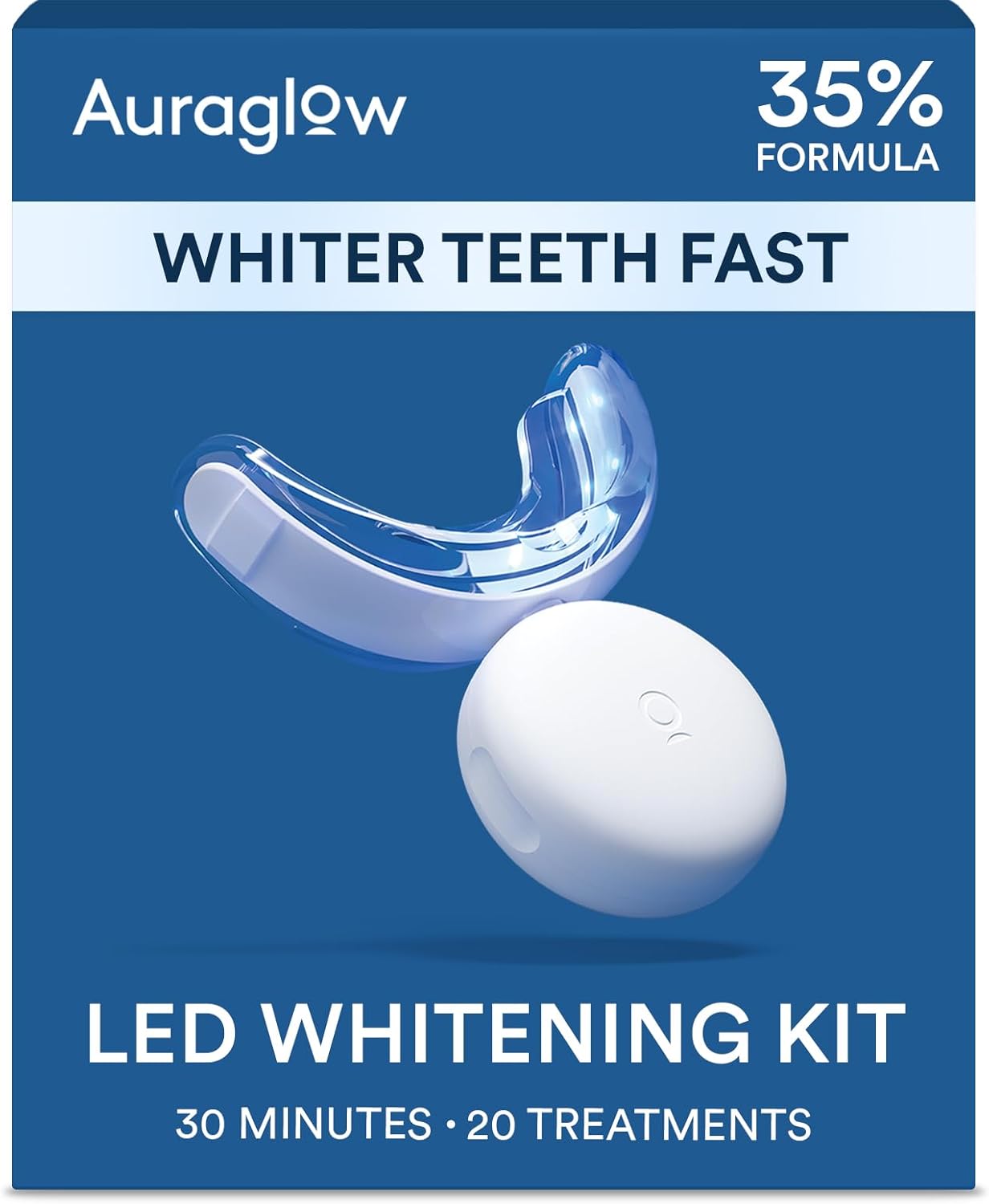
Auraglow LED Teeth Whitening Kit with Carbamide Peroxide
For a tray-based alternative to whitening strips, Auraglow combines 35% carbamide peroxide gel with an LED accelerator light to target stains from coffee, tea, wine, and smoking. The mouth tray helps spread the gel more evenly across teeth, while each 30-minute session is designed to support professional-level whitening at home. The kit includes enough gel for more than 20 treatments.
📋 Ingredients: Carbamide Peroxide
📌 Safety Information: If you experience any sensitivity or irritation, discontinue use immediately.
$40.8 on Amazon $48 $48 on Walmart
(Price at Time of Publishing)
iSmile LED Teeth Whitening Kit with Carbamide Peroxide

iSmile LED Teeth Whitening Kit with Carbamide Peroxide
Whiten at home with the iSmile Teeth Whitening Kit, which pairs an LED activation light with 35% carbamide peroxide gel for faster results than strips. The kit includes three mint-flavored whitening gel syringes, a remineralization gel, and a universal medical-grade silicone tray with easy-breathe vents. Each 10-minute session is designed to be enamel-safe and comfortable, with desensitizing mineral gel included to help reduce sensitivity. It also comes with a 100% results-or-money-back guarantee.
📋 Ingredients: Carbamide Peroxide. Remineralization Gel
📌 Safety Information: Avoid contact with eyes, gums, and salivary flow. Do not use if pregnant, lactating, have sensitive teeth, mouth disease, cavities, ulcers, etc.
$22.91 on Amazon $23.99
(Price at Time of Publishing)
Whitening Pen
Whitening pens are designed more for targeted application and quick touch-ups than for whitening the entire smile at once.
GuruNanda Hydrogen Peroxide Teeth Whitening Pen

GuruNanda Hydrogen Peroxide Teeth Whitening Pen
Target small stains more easily with the GuruNanda Teeth Whitening Pen, a compact, travel-friendly gel pen made with hydrogen peroxide and menthol. The soft brush tip helps apply the mint-flavored gel evenly to teeth, making it useful for quick touch-ups at home or on the go. Each pen offers up to 20 uses and is vegan, cruelty-free, gluten-free, and sugar-free.
📋 Ingredients: Glycerin, Propanediol, Water, Hydrogen Peroxide, Carbomer, Menthol, Sodium Hydroxide
📌 Safety Information: Avoid gel contact with areas other than your teeth.
$2.5 on Amazon
(Price at Time of Publishing)
35% Carbamide Peroxide Teeth Whitening Pen Kit

35% Carbamide Peroxide Teeth Whitening Pen Kit
Touch up stains with the VieBeauti Teeth Whitening Pen Kit, which includes four mint-flavored whitening pens with 35% carbamide peroxide gel plus a remineralizing pen for sensitive teeth. The fine brush tip allows precise application on stains from coffee, wine, smoking, and pasta sauces, while the compact design makes it easy to use at home, work, or while traveling.
📌 Safety Information:Tooth whitening pens are generally safe when used as directed, but some risks include temporary tooth sensitivity, gum irritation, and potential for enamel damage with overuse or improper use.
$15.17 on Amazon $19.99
(Price at Time of Publishing)
Whitening Toothpaste
Whitening toothpastes generally work on surface stains rather than changing the deeper color of the tooth, making them better suited for everyday maintenance.
Boka Nano Hydroxyapatite Fluoride-Free Whitening Toothpaste

Boka Nano Hydroxyapatite Fluoride-Free Whitening Toothpaste
Care for sensitive teeth with Boka Fluoride-Free Toothpaste, made with nano-hydroxyapatite to support enamel care and daily oral hygiene. The biocompatible formula is free from fluoride, sulfates, parabens, and artificial flavors or colors, while aloe vera, xylitol, green tea, and refreshing mint help leave the mouth feeling clean and fresh. Customers say it works well, tastes pleasant, and helps teeth look brighter, smoother, and cleaner with regular brushing.
$11.62 on Amazon $12.99 $11.62 on Boka $13.99
(Price at Time of Publishing)
Marvis Whitening Mint Toothpaste

Marvis Whitening Mint Toothpaste
Refresh your routine with Marvis Whitening Mint Toothpaste, made in Florence, Italy, with a sharp cool-mint taste that leaves breath feeling fresh and teeth feeling clean. It helps remove plaque while gently whitening for a brighter smile, and comes in Marvis’s distinctive display-worthy tube. Customers love its minty flavor and whitening effect, noting that it leaves teeth super clean and breath minty fresh.
$13.5 on Amazon
(Price at Time of Publishing)
Davids Fluoride-Free Whitening Antiplaque Toothpaste

Davids Fluoride-Free Whitening Antiplaque Toothpaste
Brush with a cleaner formula using Davids Fluoride-Free Toothpaste, made to reduce plaque, freshen breath, and gently whiten with micro-polishing agents instead of peroxide or harsh bleaching. The vegan, SLS-free, EWG Verified formula supports enamel health and a balanced oral microbiome. Customers like its natural ingredients, smooth clean feel, fresh peppermint taste, and noticeable whitening results.
$9.95 on Amazon
(Price at Time of Publishing)
Lumineux Fluoride-Free Whitening Toothpaste for Sensitive Teeth

Lumineux Fluoride-Free Whitening Toothpaste for Sensitive Teeth
Maintain a brighter smile with Lumineux Teeth Whitening Toothpaste, a dentist-formulated, peroxide-free option made to lift stains while respecting enamel health. The clean formula is free from fluoride, alcohol, SLS, artificial colors, and artificial flavors, and is gentle enough for sensitive teeth and veneers. Customers say it cleans well, whitens effectively, feels gentle on gums, and does not cause sensitivity or stinging.
$13.96 on Amazon
(Price at Time of Publishing)
💬 Q&A
With so many whitening methods and concentrations available, a few questions tend to come up repeatedly—especially about enamel safety, sensitivity, and how often whitening products should be used.
1. How Do Whitening Agents Work, and Are They Safe for Enamel?
Most teeth whitening products use hydrogen peroxide or carbamide peroxide as their main whitening ingredients. These ingredients release reactive oxygen molecules, which can penetrate the enamel and dentin and break down larger stain molecules into smaller, less visible compounds.
This process is different from using acid to erode the tooth or abrasive particles to scrub away the enamel surface. When used as directed on healthy teeth, peroxide-based whitening products are generally considered safe for enamel. However, whitening is not suitable for every mouth. People with cavities, gum disease, exposed roots, significant sensitivity, or damaged enamel should speak with a dentist before whitening.
2. Can Long-Term or Excessive Whitening Make Enamel Thinner or More Brittle?
When whitening products are used properly, at appropriate concentrations, and for the recommended amount of time, they are not generally expected to make healthy enamel thinner or brittle.
The concern comes with overuse. Using whitening products too frequently, leaving them on for too long, or using unregulated high-concentration products can increase the risk of tooth sensitivity, gum irritation, and changes to the enamel surface. In some cases, the tooth surface may become temporarily more porous or rough, especially if the mouth does not have enough time to recover between treatments.
This is why whitening should be done according to the product instructions or under dental guidance, rather than as an open-ended daily routine.
3. Why Do Teeth Feel Sensitive After Whitening?
Many people assume that sensitivity after whitening means the enamel has become thin. In many cases, that is not what is happening.
During whitening, peroxide ingredients can pass through enamel and dentin and temporarily irritate the nerve inside the tooth. This may cause a sore, “zingy,” or sensitive feeling, especially with cold air, cold drinks, or brushing.
For many people, this sensitivity is temporary and improves after the whitening treatment is paused or completed. Using a toothpaste made for sensitive teeth before and during a whitening routine may help reduce discomfort. If sensitivity is strong, lasts more than a few days, or continues to get worse, it is best to stop whitening and ask a dentist.
4. What Actually Damages Enamel More Easily?
Compared with properly used whitening products, the following habits may be more likely to damage enamel:
Abrasive home remedies or whitening powders
Scrubbing teeth with baking soda, charcoal powder, coarse whitening powders, or other abrasive products may physically wear down enamel over time.
Frequent acid exposure
Regularly drinking lemon water, carbonated drinks, or other acidic beverages, or having untreated acid reflux, can expose teeth to acid and gradually dissolve minerals from the enamel. This is known as acid erosion and can make teeth more sensitive and more vulnerable to wear.
A safer approach is to treat whitening as part of oral care—not a shortcut. Healthy teeth and gums should come first, and whitening should be used carefully, not excessively.