



Rheumatoid arthritis is an incurable and painful autoimmune disease. What many may not know about it is that in addition to causing joint pain and deformation, the disease may also lead to damage to other critical organs such as the heart and the lungs. Dr. Yuen Oi-lin, a registered traditional Chinese medicine (TCM) practitioner in Hong Kong, explains through her experience how TCM treats rheumatoid arthritis by using Chinese herbal medicine and acupuncture to replenish the body’s energy and restore the immune system to its balance.
Rheumatoid arthritis is a result of the immune system attacking the joints, causing pain, swelling, and deformation. Typically, it affects both the left and right sides of the body. Rheumatoid arthritis can also cause “morning stiffness,” meaning that upon waking in the morning, the joints are particularly stiff and only get better later in the day.
The causes of rheumatoid arthritis are complex and modern medicine cannot fully explain them. Risk factors include genetics, smoking, obesity, and age among others.
From a TCM perspective, all types of joint inflammation can be traced to what was once referred to as “rheumatism,” sometimes also colloquially known as “paralysis.”
TCM believes that excessive exposure to external factors such as wind, cold, and dampness can cause diseases, and inflammation is a result of their accumulation in the joints. TCM views the human body and nature as a whole. So when there is more wind, cold, and dampness in nature, the joints will also experience those conditions, which is why joint pain is often more serious on rainy days.
On the one hand, the cause of arthritis is the aforementioned conditions. On the other hand, lack of energy in the body can be another.
TCM calls this latter contributor “qi deficiency.” In TCM, the energy the body creates through breathing and eating food is termed “qi.” Only with qi can blood be generated and circulate its way around the body to maintain normal operation of all organs, tissues, and the immune system. People who suffer from qi deficiency are prone to fatigue and are also vulnerable to chronic pain. Western medicine takes a similar view but will look at the production of cellular energy by the mitochondria.
An ancient book on Chinese medicien, “The Yellow Emperor’s Classic of Internal Medicine,” states, “When righteousness remains within the body, the evil cannot find a way through.” Factors that lead to disease, such as excessive wind, cold, dampness, viruses, and bacteria are called “external evils,” and the body’s ability to repel these pathogenic factors is its “righteousness.”
In a more modern mindset, we might say that lifestyle factors, including eating too many high-calorie foods, drinking too much alcohol, or smoking are major risk factors for disease. In one way, these are similar viewpoints since it takes a certain strength of character with keep oneself from overindulging, especially these days.
Dr. Yuen pointed out that whenever the main internal organs in the body and their energy systems are not operating in harmony, especially when the kidneys suffer from insufficient qi, there is a lack of such “righteousness.” Rheumatism and rheumatoid arthritis are manifestations of such righteousness deficiency.
Why Are Women More Vulnerable to Rheumatoid Arthritis?
Rheumatoid arthritis is more prevalent among women. According to data from the Arthritis Foundation, women are three times more likely to develop the disease than men, especially among women between 30 to 60.
Dr. Yuen explained that women’s qi and blood are often depleted through menstruation, childbirth, and menopause, therefore it is easy for wind and cold (disease factors) to sneak in. To make matters worse, some women also do enough to keep warm after giving birth and catch cold when bathing and washing their hair. In the view of TCM, girls who wear navel-baring clothes during menstruation are not only vulnerable to painful periods, but, in severe cases, can have their fertility affected.
Dr. Yuen once treated a young lady whose fingers became deformed due to rheumatoid arthritis. Through acupuncture, moxibustion, and taking Chinese medicinal herbs, her condition improved significantly after three months. She did not feel stiffness in the joints anymore after rising in the morning. Hospital blood tests also showed that her erythrocyte sedimentation rate had become normal again—an indication that inflammation had been reduced. Although the previously deformed finger joints didn’t recover completely, they did not get any worse.
TCM Focus–Replenish Qi and Blood Plus Dietary Therapy
TCM’s approach to treating rheumatoid arthritis primarily relies on replenishing the body’s energy through herbs and acupuncture.
Dr. Yuen said that Chinese medicinal herbs focus on syndrome differentiation prior to treatment. That means the medicines employed often vary from person to person according to individual physical characteristics, helping them to nourish the liver and kidneys and replenish qi and blood. Commonly used medicines, such as astragalus, serve to replenish qi, and angelica is used to replenish blood, while Cuscuta japonica, mulberry, epimedium, cooked aconite, and cooked rehmannia all have the effect of nourishing kidney yang.
TCM divides the energy inside the human body into “yin” and “yang.” Yin represents night and cold, which is considered negative energy, while yang represents day and warmth, considered to be positive energy. Only by maintaining a good balance between the two can we maintain good health.
In western medicine, there is the concept of homeostasis, which is the body’s attempt to reach a stable balance. The body also has a duality of systems to maintain this balance, like shivering to warm up or sweating to cool down, the two main branches of the autonomic nervous system, and chemicals messengers like hormones and cytokines that come in pairs to activate and deactivate various functions.
According to TCM theory, the kidney is the prime energy source containing the yang qi, which acts like a furnace that continuously warms the body and is extremely beneficial to one’s immunity.
Dr. Yuen suggests that patients can make soups from herbs that have wide-ranging qi-tonifying effects such as astragalus, Codonopsis, and Millettia specciosa. If you feel a sensation of heat and dryness after taking astragalus, you can also change to the milder Ficus hirta.
Modern pharmacological research has also identified the role of Chinese herbal medicine in treating rheumatoid arthritis. A study published in “Pharmacological Research” in 2022 explores in much detail the role of herbal treatments employed in East Asian traditional medicine on rheumatoid arthritis. Through analysis of 186 clinical trials involving nearly 20,000 patients, it identified 21 commonly used medicinal herbs and the five related prescriptions as being effective for treating rheumatoid arthritis. These include astragalus, Angelica, and Rehmannia, among others. They are all regarded as being able to help relieve pain, suppress inflammation, regulate the immune system, and prevent joint damage, making them good candidates for the development of new drugs.
This study also pointed out that the corresponding TCM prescriptions often contain a variety of herbal medicines, and the combination of them can produce even better therapeutic effects.
Acupuncture Suppresses Inflammation and Regulates Immune System
TCM believes that qi flows continuously through the body’s meridians. There are specific locations on the meridians called “acupoints.” Stimulating those acupoints through acupuncture, moxibustion, massage, and more can regulate the movement of qi and treat diseases that are caused by lack of circulation through the meridians. In particular, moxibustion uses the heat generated by burning dry mugwort to warm the acupoints, thereby warming the meridians and eliminating the adverse effect of cold air. Moxibustion is especially effective in treating rheumatoid arthritis.
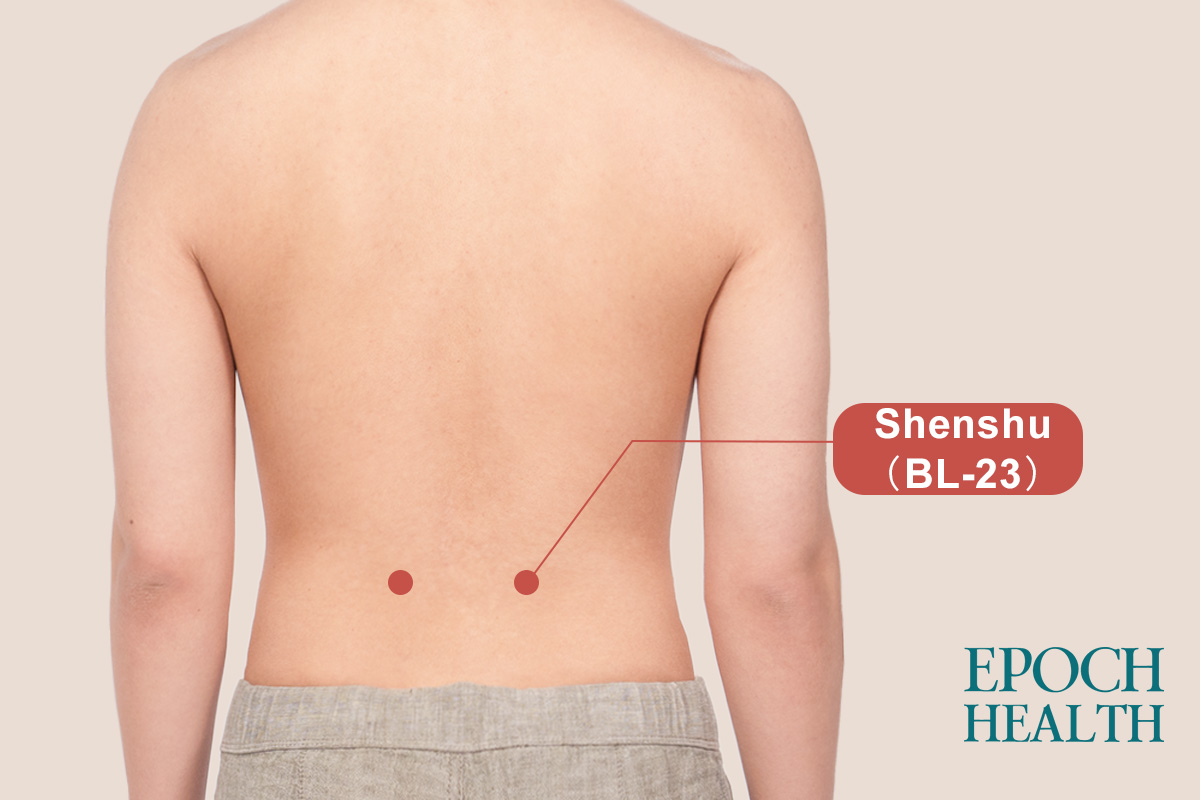
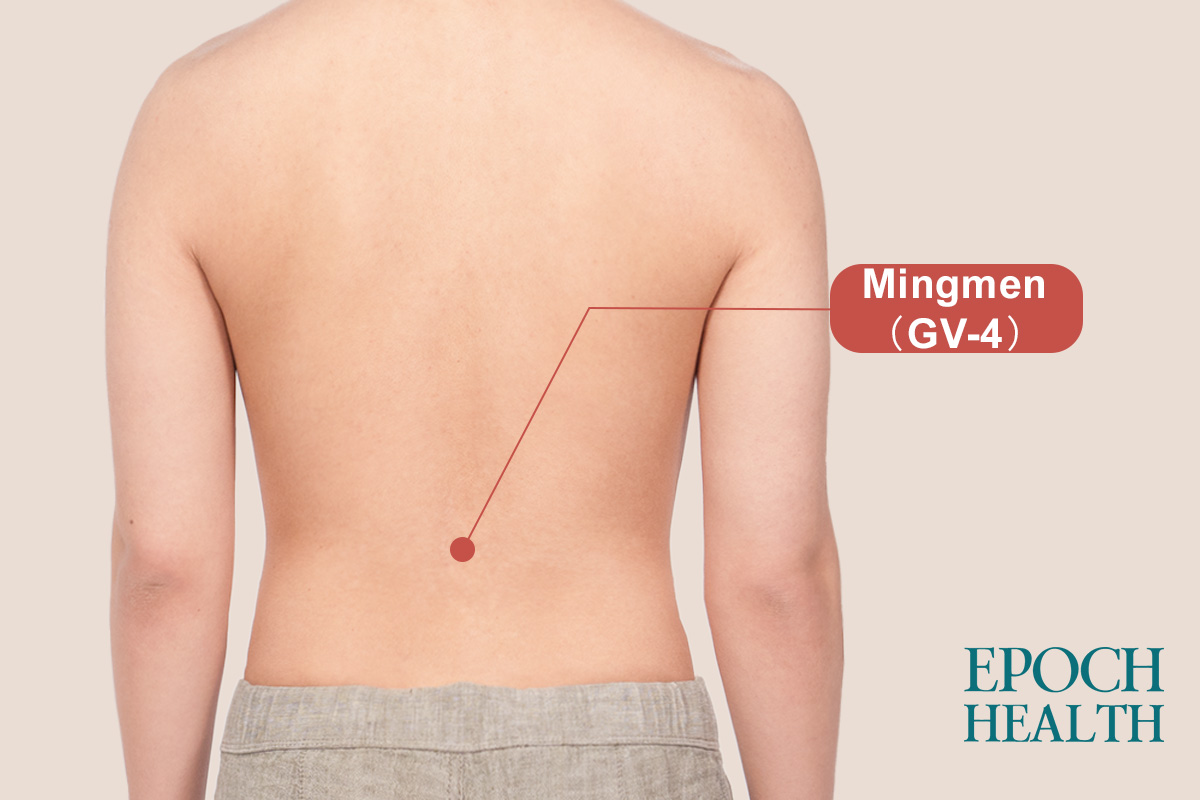
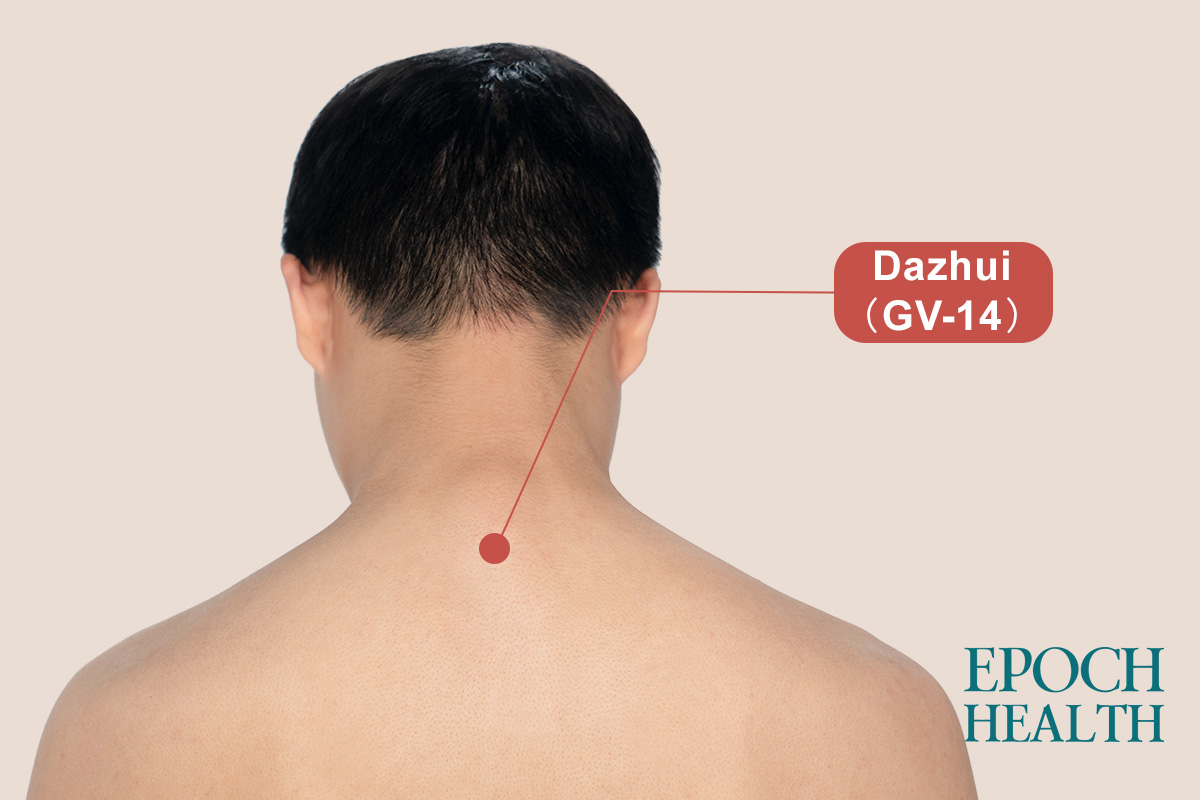
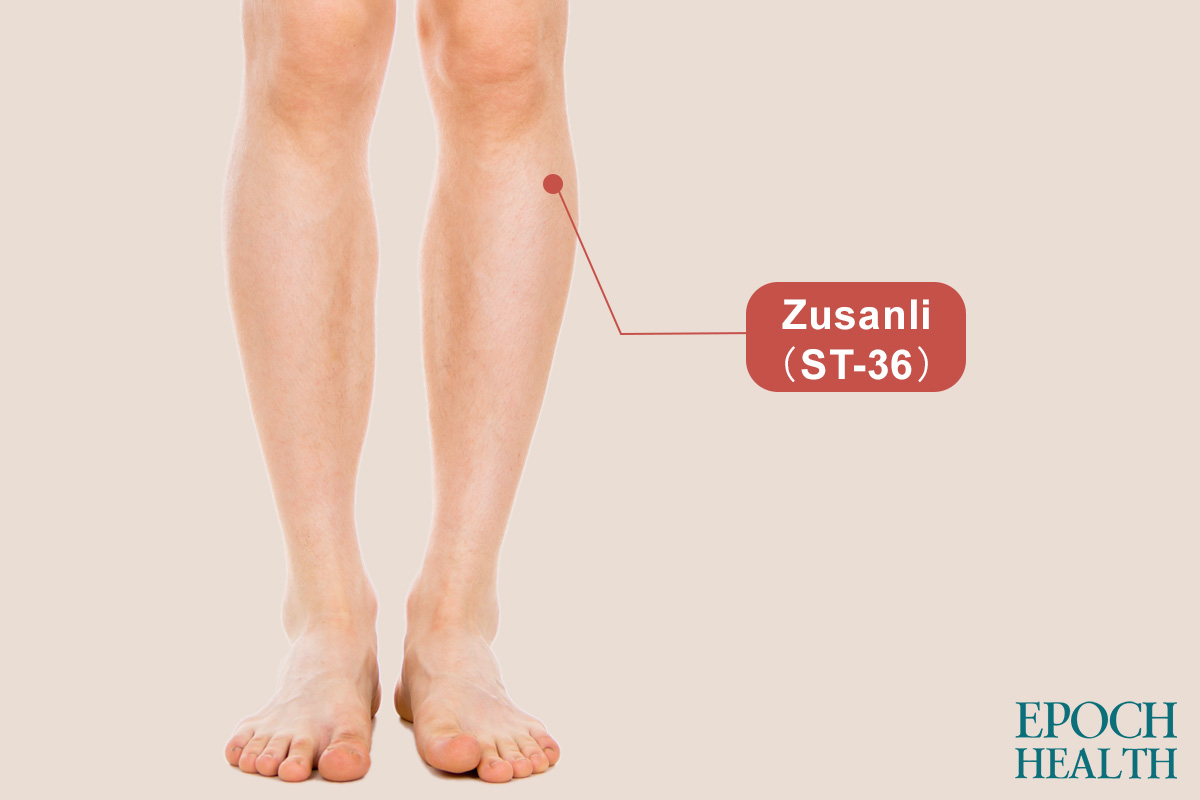
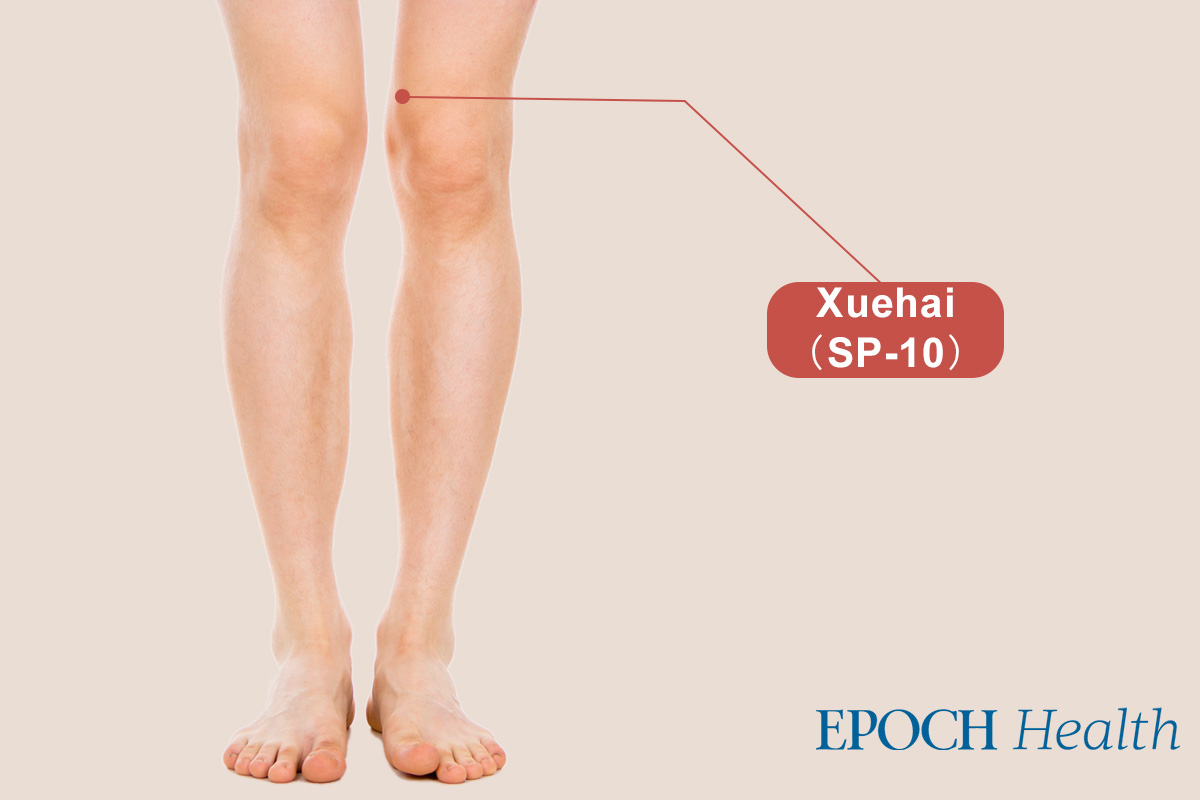
In this respect, Dr. Yuen pointed out that acupoints commonly employed to treat rheumatoid arthritis include Shenshu (BL23), Mingmen (Du4), Dazhui (Du14), and Zusanli (ST36). For knee pain, acupuncture can also be performed on the calf area around the knee joint, involving Dubi (ST35), Xuehai (SP10), and others.
A research review published in November 2022 summarizes the effects of acupuncture as a bidirectional regulation mechanism of the immune system. Acupuncture can help strengthen the immune system in individuals with depleted immunity. For those with autoimmune diseases, such as patients with rheumatoid arthritis, acupuncture can suppress the immune system and restore it to a balanced state.
Patients with rheumatoid arthritis are also susceptible to coronary heart disease due to long-term inflammation in their bodies. Acupuncture can also help reduce the risk of coronary heart disease in these patients. A study based on data from Taiwan’s health insurance database found that patients who received acupuncture had a 40 percent reduction in their overall risk of coronary heart disease. Researchers believe that acupuncture’s mechanism for reducing coronary heart disease may be related to its ability to increase the patient’s mobility, as exercise has shown its positive effect on preventing cardiovascular disease.
Tapping the Gallbladder Meridian Morning and Evening to Dredge Yang Qi
Patients can also massage the acupoints for self-health care. In addition to the acupoints mentioned above, Dr. Yuen also recommends tapping both sides of the thighs to activate the gallbladder meridian where the gallbladder energy passes. Tapping of the gallbladder meridian can dredge the yang qi and remove the cold qi that causes rheumatism.
The proper way to tap the gallbladder meridian is to form a fist with your hands and tap both sides of the thighs. You can do it while standing or sitting, or you can also do it by lying on your side on a bed, then bend your legs and tap, which might be even more comfortable. It is recommended to do this every morning, from the buttocks up to the knee joints as one cycle and perform 200 times. You can repeat the same routine in the evening.
She emphasized that this is easy to do, but the most important thing is persistence. If you feel pain while tapping, it indicates the gallbladder meridian is blocked. In such cases, it is recommended to tap more firmly and consistently. Once it is unblocked, the pain will subside.
Dr. Yuen also emphasized that patients with rheumatoid arthritis should not stop being physically active due to pain. Additionally, spending more time in the sun and maintaining a cheerful mood will also help stabilize the condition.