



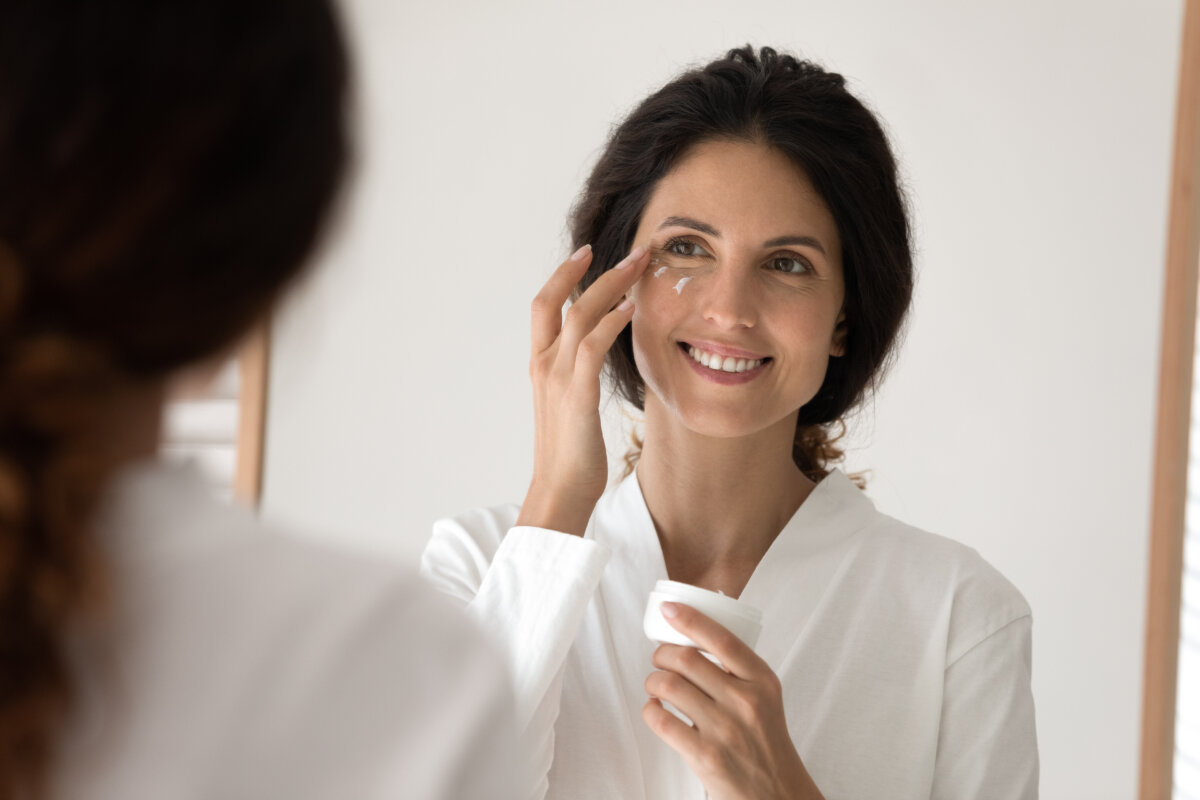
Last week, we crafted natural body soap in our journey to protect our health and save money. Let’s continue to explore the realm of DIY personal care products by focusing on face cream.
In this article, we explore the potential dangers of chemicals found in some store-bought face creams and the advantages of formulating your own. An all-natural recipe is provided.
Unmasking the Perils of Conventional Face Cream
Some of the potentially harmful chemicals lurking in some commercial face creams include the following:
Titanium Dioxide: An insoluble mineral used to whiten products, titanium dioxide was classified by the International Agency for Research on Cancer as “possibly carcinogenic to humans.” The classification was based partly on studies reporting lung tumors in rats after inhaling titanium dioxide as well as on evidence of absorption of titanium dioxide by the human gastrointestinal tract.
Silicones: These synthetic additives create a temporary illusion of smoothness; however, a 2020 study published in the International Journal of Molecular Sciences reported “skin barrier damage” caused by silicones. “Irreversible damage of the stratum corneum [outer layer of the skin]” was observed following the application of silicones.
Parabens: As synthetic preservatives, parabens enhance the longevity of face creams. Nevertheless, studies have established a connection between parabens and hormone disruption, stemming from their capacity to emulate estrogen within the human body. This association has stirred concerns that they’re contributing to breast cancer.
A 2004 study published in the Journal of Applied Toxicology revealed the presence of parabens in 90 percent of examined breast tumors. Furthermore, a study published in Pharmacological Reports showed the capacity of parabens to modulate the expression of estrogen-responsive genes within human breast cancer cells. Maternal exposure to parabens has also led to decreased gestational age, birth weight, and body length, according to a 2017 review article published in the journal Endocrinology.
Artificial Fragrances: The fragrances in face cream frequently originate from synthetic sources and have the potential to elicit allergic reactions and dermatitis. Fragrances can consist of dozens of chemicals that aren’t required to be disclosed on the product label.
A 2021 review article in Current Treatment Options in Allergy reported that certain fragrances have shown endocrine-disrupting or neurotoxic effects. Fragrance ingredients, such as benzophenone and styrene, are listed as possible carcinogens by the International Agency for Research on Cancer and the National Toxicology Program.
Phthalates: While phthalates function as stabilizers and solvents in face cream, they’re plasticizers that are associated with numerous health effects. A 2022 review article in Environmental Research reported an association between phthalate exposure in personal care products and obesity, hypertension, and reproductive and endocrine disorders.
Artificial Dyes: These synthetic chemicals, often included in creams for aesthetic purposes, are typically derived from coal tar. A 2012 review article published in the International Journal of Occupational and Environmental Health reported that “all nine currently US-approved dyes raise health concerns of varying degrees,” spanning from hypersensitivity reactions to carcinogenicity.
Petroleum Jelly: Often used as a moisturizing agent, petroleum jelly is derived from crude oil.
You can avoid these harmful chemicals and protect your health from potential risks associated with long-term exposure by making your own face cream.
Benefits of Making Your Own Face Cream
By incorporating natural face cream into your skincare routine, you can unlock a host of benefits beyond chemical-free assurance. Here are some of them:
Cost Savings in Inflationary Times: Natural ingredients used in homemade face creams are often more affordable when purchased in bulk, and you can reuse containers to further reduce costs. This article includes a recipe for Moisturizing Face Cream made using organic ingredients. Using today’s bulk pricing, the face cream costs $1.17 per ounce, which is nearly 20 times less expensive than store-bought comparable organic face creams.
Personalized Ingredients and Tailored Formulations: Crafting your own face cream allows you to select specific ingredients that cater to your unique skin type.
Environmental Consciousness: By making your own face cream, you can reduce plastic waste by utilizing reusable containers. Furthermore, natural ingredients are typically biodegradable, minimizing their impact on ecosystems.
DIY Face Cream Recipe
Below is a recipe that harnesses the power of natural ingredients to promote skin health, including the following:
Jojoba Oil: A widely known medicinal plant, jojoba has a long history of use for treating skin disorders, such as psoriasis and acne, as well as for its antioxidant, anti-inflammatory, antifungal, and antimicrobial activity, according to a study published in 2021 in Polymers.
Shea Butter: Due to its rich content of fatty acids, including linoleic, oleic, stearic, and palmitic acids, shea butter is naturally moisturizing. It contains antioxidant properties and is a “significant source of anti-inflammatory and anti-tumor promoting compounds,” according to a 2010 study published in the Journal of Oleo Science. Specifically, components of shea butter inhibited tumor promoters, and one compound in particular, lupeol cinnamate, inhibited skin tumor promotion in vivo.
According to a 2014 study published in Phytochemistry, some constituents of shea butter also demonstrate potent inhibitory activity against melanoma cells (skin cancer).
Coconut Oil: In addition to moisturizing and soothing the skin, a 2019 study published in the Journal of Traditional and Complementary Medicine concluded that coconut oil protects the skin by enhancing skin barrier function through its ability to suppress inflammation. Coconut oil contains natural antimicrobial properties that may help rebalance the skin microbiome.
Whether applied topically or ingested, coconut oil is broken down to lauric acid and monolaurin, which have significant antimicrobial activity against gram-positive bacteria as well as a number of fungi, according to a study published in the Journal of the American Oil Chemists’ Society.
Essential Oil*: These natural oils add a desirable aroma to face cream while providing health benefits.
Tea tree essential oil, for example, contains antioxidant, anti-inflammatory, and antibacterial properties and has been used to treat acne, dermatitis, and warts, according to a 2022 review study published in the International Journal of Molecular Sciences.
Lavender essential oil provides a pleasing aroma to creams, but also contains antimicrobial properties and can reduce anxiety, according to a study published in the International Journal of Clinical Pediatric Dentistry.
Rosehip seed oil is rich in essential fatty acids, which contribute to good skin texture and hydration, according to a 2021 review article in the Journal of Plant Sciences. Due to high amounts of vitamin C and retinoids, rosehip seed oil contributes to brighter skin and combats acne. Furthermore, vitamin C combined with fatty acids promotes collagen production, which diminishes signs of premature aging.
A Word on Ingredient Quality
Choose organic ingredients whenever possible. Organic means the crop wasn’t genetically modified and wasn’t sprayed with synthetic fertilizers or pesticides.
In addition to organic, when choosing oils, select products that are 100 percent pure, cold-pressed, and unrefined.
Essential oils are sometimes adulterated by adding a similar but cheaper oil or diluting the natural oil with various solvent oils to reduce costs. Choose essential oils that are 100 percent pure, don’t contain additives or synthetic chemicals, and have been tested for heavy metals, microbes, and glyphosate.
Recipe: Moisturizing Face Cream
Ingredients:
- ¼ cup of organic, unrefined shea butter
- 2 tablespoons of organic coconut oil
- 1 tablespoon of organic jojoba oil
- 1 drop tea tree essential oilǂ
- 10–15 drops of your favorite essential oil* (e.g., rosehip seed oil, chamomile, or lavender)
Instructions:
In a glass bowl, combine shea butter, coconut oil, and jojoba oil.
Melt the mixture over medium-low heat using a double boiler, stirring until well combined. If you don’t have a double boiler, use the glass bowl and a large pot as a substitute. When choosing the size of the pot, the glass bowl should fit comfortably over the top of the pot, almost like a lid, but leave enough space between the bottom of the glass bowl and the pot to ensure that steam can flow between them. Place water in the bottom of the pot, place the glass bowl containing the ingredients on top of the pot, and simmer until the water steams.
Once all ingredients are melted and thoroughly combined, remove from heat.
Allow to cool to the touch, mixing occasionally with a hand blender.
Add essential oils and blend thoroughly with a hand blender.
Place the bowl in the refrigerator until the face cream begins to harden but is still somewhat soft.
Remove from the refrigerator and whip with a hand blender until the face cream achieves a smooth, creamy consistency.
Transfer the face cream to a clean, airtight, glass container.
To apply, place a small amount on your finger and gently massage into the skin.
Contraindications and Precautions
*Pregnant or breastfeeding women, children under the age of 2, and anyone consuming prescription medications should consult their health care provider before using essential oils. Lavender essential oil can cause skin irritation. Nausea, vomiting, headache, and chills have been reported in some people after inhaling or absorbing lavender through the skin. Tea Tree essential oil may cause skin irritation. In people with acne, it may cause dryness, itching, burning, or redness.
Before using the recipes in this article, consult your health care provider to ensure the ingredients align with your specific health needs. Always check for sensitivities or adverse reactions by applying a small amount of product. Don’t use these recipes if you’re allergic or sensitive to any of the ingredients.
Final Thoughts
Through the creation of natural alternatives to store-bought face cream, we not only safeguard our finances amidst inflation but also prioritize our well-being by avoiding harmful chemicals. As you venture into crafting your own personal care products, remember to research the ingredients that best suit your unique needs and preferences.
[note label=”Next” title=”Part 7 – Craft your own natural deodorant ” hyperlink=”https://cmsapi.theepochtimes.com/health/crafting-your-own-natural-deodorant-5521371″ description=”Craft your own natural deodorant that is free from harmful chemicals and actually works! “][/note]