



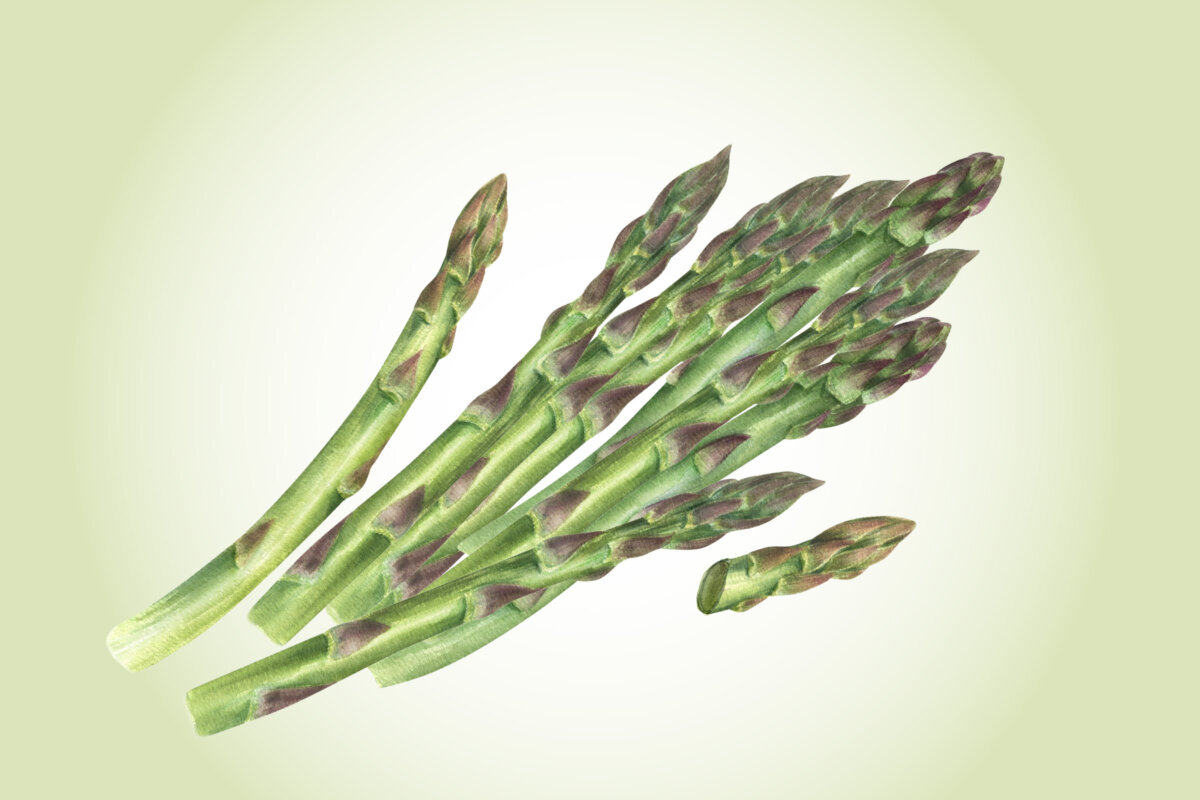
A first sign of spring, asparagus spears budding up through the soil, is a seasonal signal of warmer days ahead—an invitation to savor fresh, delicate flavors while also nourishing the body.
Brimming with nutrients—including vitamins, antioxidants, and prebiotic fiber—this tender springtime delicacy supports cell repair, strengthens bones, and promotes a healthy gut. With the right preparation, its nutrients can be optimally preserved and absorbed.
Key Nutrients
In a comparison of 34 fruits and vegetables, asparagus ranked seventh for its antioxidant activity.
- Fiber: One cup of raw asparagus provides about three grams of fiber and is a source of inulin, a type of prebiotic fiber.
- Iron: One cup also offers roughly 10 percent of the daily value for iron.
- Vitamin K: Ten cooked asparagus spears, or roughly two servings, provide almost half the daily value of vitamin K.
- Folate: “One of asparagus’s standout nutrients is folate, providing about 37 percent of the daily value,” registered dietitian Carlyne Remedios of JM Nutrition told The Epoch Times.
Not all asparagus varieties are nutritionally the same. Green asparagus, the most commonly available type at the market, is rich in phenolics and flavonoids, including rutin and quercetin. These compounds neutralize free radicals and offer anti-inflammatory benefits, Remedios noted.
White asparagus, grown without sunlight, has slightly fewer antioxidants, but is still nutritious.
Purple asparagus contains anthocyanins, the same antioxidant pigments found in berries, which contribute to its higher antioxidant activity compared with green or white varieties.
“Purple asparagus takes the top spot, boasting the highest radical-scavenging power from anthocyanins that amplify the benefits with extra heart and brain protection,” Heba Abdelnabi, a registered dietitian at Northwell Health Physician Partners, told The Epoch Times in an email.
Research comparing wild and farmed asparagus found that cultivated varieties may show higher measured antioxidant potential.
Health Benefits
Asparagus provides several nutrients that play important roles in cell repair, skeletal health, and gut support.
Helps With Cell Repair
Asparagus is one of the richest vegetable sources of folate, a key nutrient for the body’s core cellular processes.
Every time your body creates a new cell—whether it’s skin, muscle, or blood—it relies on folate to get the job done right. This B vitamin helps build and maintain DNA, the genetic blueprint inside every cell. It is also essential for normal cell division, and adequate levels can support healthy oxygen transport and tissue renewal. Without enough of it, cells don’t divide properly.
“Folate is important for cell growth and DNA repair, which is why it’s especially important during pregnancy, but it is beneficial beyond that since our bodies are constantly regenerating cells,” Abdelnabi said.
A 2025 study published in the Journal of Cell Biology found that folate is critical for producing the building blocks needed to form and repair DNA.
Promotes Gut Health
Regularly eating fiber-rich vegetables such as asparagus can support a healthy gut microbiome. Asparagus contains inulin, a type of prebiotic fiber.
“Inulin helps feed good gut bacteria and can support digestion over time,” Abdelnabi said.
Unlike digestible carbohydrates, inulin passes through the small intestine intact and is fermented in the colon.
“When fermented in the colon, inulin produces short-chain fatty acids, including butyrate, which strengthens the gut barrier, reduces inflammation, supports immune function, and promotes regular bowel movements,” Remedios said.
A 2023 study published in Foods compared asparagus-derived fructans with commercial inulin sources and found that asparagus extracts exhibited similar prebiotic activity in laboratory tests.
Supports Bone Health
“While asparagus alone hasn’t been directly studied for bone outcomes, its vitamin K content meaningfully contributes to overall intake,” Remedios said.
Vitamin K helps activate proteins that bind calcium to bone tissue, supporting proper mineralization and skeletal strength.
A 2023 systematic review and meta-analysis published in Bone & Joint Research found that vitamin K supplementation modestly increased lumbar spine bone mineral density in middle-aged and older adults, with benefits linked to improved activation of osteocalcin, a protein that helps bind calcium to bone.
Similarly, a 2025 study published in Nutrients found that administering vitamin K1 increased circulating levels of activated osteocalcin.
No single food determines bone health on its own, but regularly including vitamin K-rich vegetables, such as asparagus, can support overall skeletal health.
Additional Benefits
Asparagus contains potassium, an essential mineral that helps regulate fluid balance and maintain proper muscle and nerve function. Higher dietary potassium intake has also been associated with improved cardiovascular outcomes, particularly when it helps offset excess sodium consumption.
Asparagus spear extract is used as an ingredient in some anti-wrinkle cosmetic products. A 2021 study published in Scientific Reports found that spear extracts showed strong antioxidant activity and significantly inhibited enzymes associated with skin aging. These enzymes break down collagen, elastin, and hyaluronic acid, which are essential for maintaining skin firmness and hydration.
Asparagus also contains non-heme iron, a plant-based form of iron that contributes to the production of hemoglobin, the protein in red blood cells responsible for carrying oxygen throughout the body. Adequate iron intake supports normal oxygen transport and helps maintain energy and cognitive function.
How to Increase Absorption
How asparagus is prepared and selected affects how it supports the body.
Cook With Gentle Heat
Preparing asparagus using low-heat cooking methods helps preserve folate and B vitamins. “Because folate is water-soluble and sensitive to heat, cooking methods can significantly affect nutrient retention,” Remedios said.
She recommended steaming, which minimizes nutrient loss by limiting water contact and avoiding excessive high-heat exposure.
“Prolonged boiling can leach 25 [percent] to 50 percent of water-soluble vitamins into cooking water, and high-heat roasting for extended periods may degrade heat-sensitive antioxidants,” Remedios said.
Blanching is another good option. A brief boil followed by an ice bath reduces nutrient breakdown while preserving color, texture, and flavor.
“As a general rule, aim for four to 10 minutes total cooking time, keeping the texture tender-crisp,” she said.
Add a Healthy Fat
A small amount of fat in the pan can help improve the absorption of vitamin K and certain antioxidants. “I suggest you sauté it in a pan with a bit of olive oil to enhance the absorption of fat-soluble vitamin K,” Melanie Marcus, a registered dietitian and manager of Nutrition, Wellness, and Communications at Dole Food Company, told The Epoch Times in an email.
Stalk Section Selection
The bud, or scaly tip, contains the highest concentration of antioxidants and minerals, while the stem is higher in fiber.
Pair With Vitamin C
A squeeze of lemon or addition of bell peppers can enhance the absorption of non-heme iron and may help support antioxidant stability during digestion.
Optimal Storage
To keep asparagus fresh, store it upright in a glass or jar with a small amount of water, similar to how you would treat fresh flowers. You can also wrap the ends in a damp paper towel and place the spears in a plastic bag in the refrigerator. For best results, store it in the crisper drawer, and if you want to keep it for up to a year, asparagus can be blanched and then frozen.
Pro Tips
- When choosing asparagus, look for firm, straight stalks with tightly closed tips, and avoid any that appear woody or discolored.
- To trim quickly, snap one spear at its natural breaking point and use it as a guide for the rest of the bunch.
- Thicker spears are best for roasting or grilling, while thinner ones work well for steaming or sautéing.
- For extra tenderness, peel the lower ends of thick stalks, and use the delicate tips in salads, quick sautés, or as a garnish.
Recipe: Dilly Asparagus Soup
The gentle sautéing and brief simmering in this recipe help preserve heat-sensitive nutrients, and the addition of olive oil supports absorption of fat-soluble vitamin K.
Serves 4
Ingredients
- 2 tablespoons olive oil
- 1 medium onion, chopped
- 2 stalks celery, chopped
- 1 tablespoon minced garlic (approximately 2 cloves)
- 1 bunch asparagus, trimmed and chopped
- 1 teaspoon salt
- 1 teaspoon pepper
- 1 cup chicken or vegetable broth
- 1 tablespoon chopped fresh dill
- Juice of 1 lemon
Directions
- Heat a large stockpot over medium heat and add olive oil.
- Add the onion and celery and sauté until soft, 5 to 7 minutes. Add the garlic and sauté for one minute.
- Add the asparagus, salt, and pepper, and stir to coat. Add the broth.
- Turn the heat to high and bring to a boil, then reduce heat to low and simmer for 15 minutes or until asparagus is fork-tender.
- Add the soup to a blender along with the dill and lemon juice. Purée until smooth.
Precautions
Asparagus allergies are rare, but some people may have a mild reaction, such as an itchy mouth or a rash. Asparagus can also cause mild digestive effects, such as gas, or strong-smelling urine.
“For individuals with irritable bowel syndrome or fructan sensitivity, this can trigger symptoms such as gas, bloating, or abdominal discomfort,” Remedios said.
This doesn’t mean that asparagus must be avoided entirely. “Starting with a small serving of two to three spears and gradually increasing as tolerated can help assess individual tolerance,” she said.
Vitamin K content can affect people on blood-thinning medications. For those taking anticoagulant medications such as Warfarin, large fluctuations in vitamin K intake can interfere with medication effectiveness, Remedios said.
Fun Facts
- White asparagus is often called “white gold” due to its labor-intensive growing process and premium status in many markets, and not just its color.
- In Eastern Europe, Asia, and China, its roots and rhizomes were traditionally brewed into teas to help with heart, kidney, liver, and bladder health.
- Asparagus can grow to three feet to five feet tall. During the warm summer months, it can grow extremely fast—up to an inch per hour.
- Its fruits are small red berries and are poisonous to humans.
- Purple asparagus is a distinct variety that may lose some of its color and turn green when cooked.
Tips for Kids
Asparagus is a notable source of folate.
“Folate helps the body form red blood cells and drives healthy cell division and growth, which is especially important for kids and teens, whose bodies and brains are developing rapidly,” Marcus said.
A study published in Pediatrics found that adolescents with higher dietary folate intake tended to have higher academic performance compared with those with lower intake.
To reap these benefits and make asparagus more fun for kids, let them help with prep by snapping the stalks at their natural breaking point. Giving it names such as “asparagus swords,” “green magic sticks,” or “tiny trees” can make it feel playful.
Roasting with a little olive oil and a sprinkle of salt brings out the veggie’s natural sweetness, and adding cheese or a favorite dip such as hummus or ranch can boost flavor. Chopped asparagus can also be mixed into buttered noodles, scrambled eggs, or stir-fries for an easy way to add its extra benefits to kid-friendly meals.