



Claire, 32, worked in finance in Manhattan. She was slim and always put together nicely. However, in the prime of her life, she was already experiencing menopausal symptoms, including hot flashes, palpitations, facial flushing, and insomnia.
She had been unable to conceive since getting married. Her attempts at in vitro fertilization also failed. Even more alarming, tests revealed that her anti-Müllerian hormone (AMH) level was only 0.23 nanograms per milliliter, a sign that her ovaries were nearing depletion.
Serene Feng, a traditional Chinese medicine (TCM) practitioner at Northern Medical Center in New York, recounted this typical case in an interview with The Epoch Times. Clinically, she has come across many women in their 30s and 40s with AMH levels below 1, which, she said, is often not due to true ovarian aging, but to excessive stress, insufficient rest, or inadequate nutrition.
Feng told Claire that her ovaries had simply entered a temporary dormant phase. She noted that the body is like a shrewd steward, allocating resources where they are most needed. Due to long-term work stress and dieting, her body’s energy, and nutrients—what TCM calls “qi and blood“—had become deficient, prompting her body to prioritize survival over reproduction.
Feng told Claire that with proper conditioning, her ovarian function could recover, and she might even have a chance to conceive naturally—but only if she changed her lifestyle habits, such as going to bed before midnight, eating a warm breakfast, and keeping her feet warm.
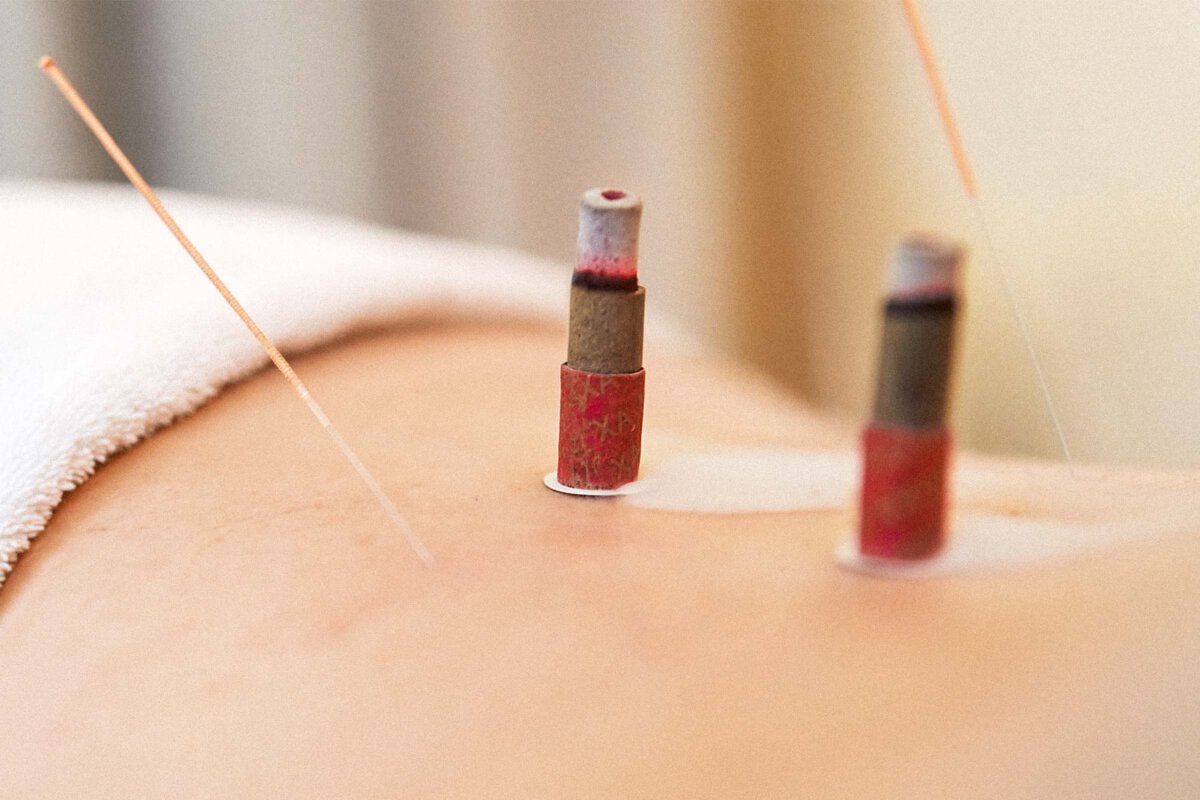
Claire was skeptical at first and wondered whether her AMH levels would really change if she adopted these habits. Feng assured her that they could, and she said she would also work to replenish her qi and blood with acupuncture, moxibustion (a gentle heat therapy using dried mugwort), and traditional Chinese medicinal herbs.
Feng’s treatment focused on replenishing qi and blood. The basic formulas included Wu Zi Yan Zong Wan and Ba Zhen Tang Decoction, with modifications based on the patient’s constitution. Wu Zi Yan Zong Wan, made from five kinds of seeds, is a well-known TCM formula for treating infertility. Studies suggest that modified Ba Zhen Tang can inhibit excessive autophagy in ovarian cells, thereby improving premature ovarian failure.
Feng also used acupuncture and moxibustion to invigorate Claire’s qi and blood, awaken dormant ovaries, and improve her insomnia. A review published in Frontiers in Endocrinology found that acupuncture can increase hormone levels, such as AMH, which is beneficial for ovarian function.
After three months of treatment, Claire’s complexion changed from pale to rosy, her sleep quality improved, she felt energetic in the morning, and her appetite improved. Claire told Feng that even without children, she felt very happy and that life had become more interesting.
At a follow-up gynecological checkup, her AMH level had risen from 0.23 to 0.8. Although still below average for her age, an ultrasound showed that one of her follicles had developed to a diameter of 21 to 22 millimeters. That same month, she conceived naturally.
After becoming pregnant, Claire quit her high-pressure job, moved out of New York, and gave birth smoothly.
Lifestyle Habits and Daily Diet
In addition to TCM treatments, lifestyle changes are especially important. First, it is crucial to go to bed early. “Many people living in Manhattan don’t go to bed until 1 or 2 a.m. To maintain ovarian health, you should go to bed at least 11 or 12 p.m., ideally 10 p.m.,” Feng said.
Setting aside time for breakfast is also important, especially for warm food, which can improve digestion and absorption, thereby replenishing qi and blood.
For breakfast, Feng particularly recommends sea cucumber. She said it has excellent blood-nourishing effects, which help improve egg and sperm quality. It can be prepared by stewing, stir-frying, or adding it to soup. It can also be cooked with medicinal herbs for enhanced results, she noted.
Chou Tsung-han, chief physician of Ming Tang Clinics in Taiwan, told The Epoch Times that people can reduce high-sugar, high-fat, and spicy foods, and increase their intake of natural foods rich in protein and fiber, such as black beans, yams, red dates, and dark green vegetables, to replenish qi and blood and stabilize endocrine function.
Emotional management is also crucial. Practices such as yoga, brisk walking, tai chi, meditation, and breathing exercises can help release stress and harmonize qi and blood. Cultivating a stable support network can also reduce the effects of psychological stress on the body.