




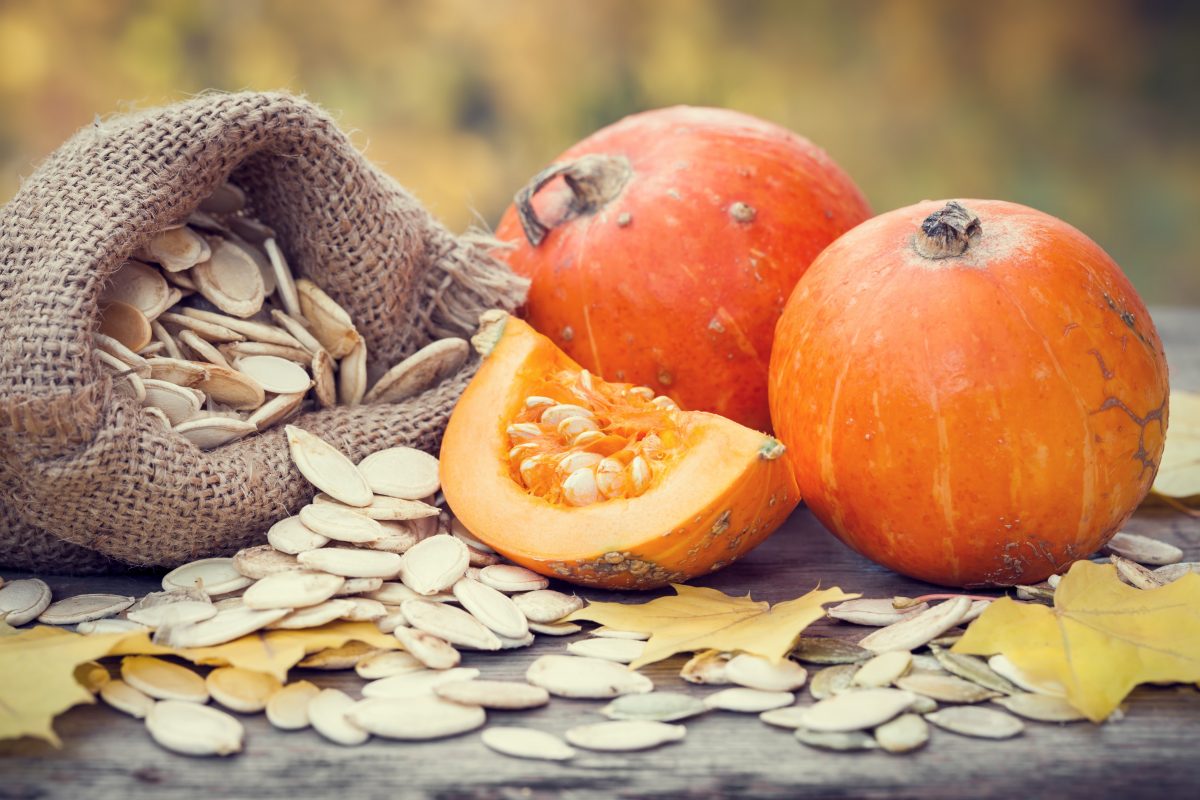
Pumpkin is a plump, nutritious vegetable that people often think of as a traditional Halloween decoration or a Thanksgiving pie filling. The lovely orange pumpkin is a symbol and taste of fall. It provides a range of health benefits outside of popular festivities.
Pumpkin is low in calories and high in fiber and nutrients. It nourishes the spleen and stomach while fortifying the bones.
Pumpkin is also an excellent substitute for carbohydrates such as white rice, white bread, pasta, and other refined carbohydrates.
Pumpkin Has ‘Warm’ Characteristics
Dr.Chen Hsin-hung, a traditional Chinese medicine (TCM) practitioner at Hanyitang Chinese Medicine Clinic in New Taipei City, Taiwan, said that while most squashes are “cold,” pumpkin has “warm” characteristics, making it a suitable food for the autumn and winter as the weather gets colder.
The TCM practitioners discovered that most foods have either “cooling” or “warming”
characteristics and categorized many common foods into three thermal natures: Cooling foods; warming foods; balanced, neutral foods.
When you eat cooling foods, they add cooling effects to your body, and eating warm foods will add warming effects to your body. Therefore, warming and cooling foods can be used to balance the body.
In TCM, it is believed that the human body and health are associated with the environment, and that it’s preferable to eat local seasonal fruit and vegetables, as they are most suitable for the body during a particular season.
According to TCM theory, medicines and foods share the same origins, and they both can be used as medicine.
Pumpkins have warm characteristics and can nourish the liver, stomach, and blood. It is easily absorbed and converted into nutrients by the digestive system. Therefore, pumpkin is a nurturing option for patients with weak gastrointestinal systems or who are recovering from a severe illness.
Pumpkin Is Highly Nutritious
Moreover, pumpkins are rich in beta-carotene, and vitamins C and E, which are antioxidant and anti-inflammatory. In addition, pumpkins are also rich in antioxidants lutein and zeaxanthin, which are beneficial for maintaining vision and eye health.
Technically a fruit, pumpkin is considered a vegetable in the culinary world. Taiwanese dietitian Julie Yu chu-ching said that pumpkin is a high-quality starch with relatively few calories. One hundred grams of pumpkin contains 49 calories, which is less than an equal portion of potatoes or sweet potatoes.
As pumpkin is a fiber rich food containing 1.4 grams of dietary fiber per 100 grams, pumpkin can substitute for carbohydrates such as noodles and rice, for those who are looking to lose weight.
Yu said different parts of a pumpkin have different uses. For example, pumpkin skin is rich in dietary fiber, which promotes bowel movements, and pumpkin seeds are antioxidant and anti-inflammatory, and contain phosphorus, magnesium, calcium, potassium, iron, selenium, zinc, and other necessary minerals.
Pumpkin Can Alleviate the Bones Ache and Arthritis
Professor Chang Wen-Liang, a retired professor of the Department of Bioenvironmental Systems Engineering at National Taiwan University, wrote an article about the benefits of magnesium while accompanying his mother to the hospital for cancer treatment.
He noted that patients often feel their bones ache. Instead of taking painkillers, the professor said it is better to eat pumpkin. Both the seeds and flesh are high in magnesium, which is essential for skeletal structural stability. A magnesium deficiency will weaken the bones.
Magnesium is required for neurological response, brain function, blood pressure adjustment, and muscle activity. Chang said that among vegetables and fruits, pumpkins contain the most magnesium.
Arthritis causes pain and inflammation in the joints, making movement difficult and restrictive. Joy Bauer, a nutritionist, wrote in her blog that pumpkin contains powerful antioxidants that work to prevent joint pain caused by arthritis.
Ways to Eat Pumpkin
Pumpkin is popular in pancakes, pies, custards, and muffins. It can be cooked into a soup or roasted with other vegetables.
Warming Japanese pumpkin salad is a food therapy for nourishing the stomach.
Ingredients:
- 1 pumpkin(with length and width about 3cm)
- 1 firm tofu block(with length and width about 3cm)
- honey (3 tablespoons )
- ground ginger (1 tablespoons )
- Japanese soy sauce (3 tablespoons )
Instructions:
- Cut the pumpkin into slices.
- Steam the pumpkin until tender when pierced with a fork.
- Place in a bowl and set aside.
- Cut tofu into cubes and add to the pumpkin.
- In a small bowl, prepare sauce by mixing honey, ginger, and Japanese soy sauce to taste.
- Pour the sauce over the tofu and pumpkin and mix to coat the vegetables.
Serve the salad cold or warm.
3 Types of People Should Avoid Pumpkin
The doctors and nutritionists also pointed out three types of people who should avoid overeating pumpkin.
- Gastroesophageal reflux or chronic bloating: Patients prone to stomach acid reflux or gastrointestinal flatulence should avoid overeating pumpkin. Because pumpkin contains more starch and dietary fiber, if the patient has indigestion and intestinal flora imbalance, he may experience flatulence after eating too much pumpkin.
- Diabetes: Pumpkins contain more starch compared with other vegetables. Its glycemic index (GI) is also higher, which causes a faster spike in blood sugar after consumption.
- Kidney disease: Pumpkins are full of potassium. Patients with kidney disease should only eat small amounts.