



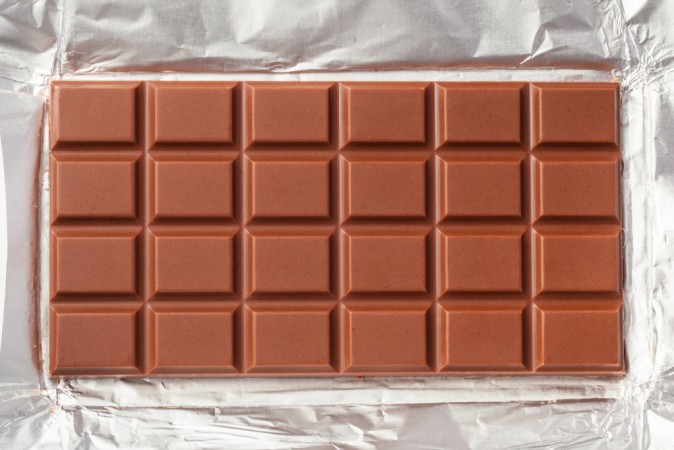
We all get food cravings. There are different foods we crave but the idea is same, pulling from several elements of the craving as to why we get them and how we can work with and alleviate them. Through evolution, our bodies are designed to use sugar and fat as energy sources and it begins as infants since the first thing babies get is their mother’s milk. That milk is sweet and nutrient rich, and it equals nourishment, comfort, love and overall survival. Without it, they don’t have a sense of love and they certainly wouldn’t survive.
Therefore, we are basically hardwired to associate sweet and heavy foods with love and energy. Serotonin is also produced by foods that are rich in carbohydrates, also typically sweet foods, so there is a link to food and mood changes. As some foods can make us feel bad, there are some that seem to make us feel good, but with every example of this, there is also another non-food related choice a person could make for similar feelings, it’s just a little bit less instant than reaching for a pint of ice cream or a bar of chocolate.There are physical reasons for cravings as well. When we habitually lack a certain taste out of the six (sweet, salty, sour, pungent, bitter, astringent), we become imbalanced and cravings can arise as the body gives us signals to regain that balance. When we are lacking certain nutrients, we also can develop cravings. For example, someone craving chocolate could be deficient in magnesium and more healthy choices would be raw nuts and seeds, legumes and fruit. Someone craving salty foods might be lacking chlroide and could try raw goat milk, fish and unrefined sea salt rather than salty fast food or regular table salt.
The chart below is a wonderful tool for making minor adjustments with the tastes and making sure we eat a variety of foods and adjusting things for our particular and unique bodies’ needs.
| If you crave this… | What you really need is… | And here are healthy foods that have it: |
|
Chocolate
|
Magnesium | Raw nuts and seeds, legumes, fruits |
|
Sweets
|
Chromium | Broccoli, grapes, cheese, dried beans, calves liver, organic free-range chicken |
| Carbon | Fresh fruits | |
| Phosphorus | Chicken, beef, liver, poultry, fish, eggs, dairy, nuts, legumes, whole grains | |
| Sulfur | Cranberries, horseradish, cruciferous vegetables, kale, cabbage | |
| Tryptophan | Cheese, liver, lamb, raisins, sweet potato, spinach | |
|
Bread, toast
|
Nitrogen | High protein foods: fish, meat, nuts, beans |
|
Oily snacks, fatty foods
|
Calcium | Mustard and turnip greens, broccoli, kale, legumes, cheese, sesame |
|
Coffee or tea
|
Phosphorous | Chicken, beef, liver, poultry, fish, eggs, dairy, nuts, legumes |
| Sulfur | Egg yolks, red peppers, muscle protein, garlic, onion, cruciferous vegetables | |
| NaCl (salt) | Sea salt, apple cider vinegar (on salad) | |
| Iron | Meat, fish and poultry, seaweed, greens, black cherries | |
|
Alcohol, recreational drugs
|
Protein | Meat, poultry, seafood, dairy, nuts |
| Avenin | Granola, oatmeal | |
| Calcium | Mustard and turnip greens, broccoli, kale, legumes, cheese, sesame | |
| Glutamine | Supplement glutamine powder for withdrawal, raw cabbage juice | |
| Potassium | Sun-dried black olives, potato peel broth, seaweed, bitter greens | |
|
Chewing ice
|
Iron | Meat, fish, poultry, seaweed, greens, black cherries |
|
Burned food
|
Carbon | Fresh fruits |
|
Soda and other carbonated drinks
|
Calcium | Mustard and turnip greens, broccoli, kale, legumes, cheese, sesame |
|
Salty foods
|
Chloride | Raw goat milk, fish, unrefined sea salt |
|
Acid foods
|
Magnesium | Raw nuts and seeds, legumes, fruits |
|
Preference for liquids rather than solids
|
Water | Flavor water with lemon or lime. You need 8 to 10 glasses per day. |
|
Preference for solids rather than liquids
|
Water | You have been so dehydrated for so long that you have lost your thirst. Flavor water with lemon or lime. You need 8 to 10 glasses per day. |
|
Cool drinks
|
Manganese | Walnuts, almonds, pecans, pineapple, blueberries |
|
Pre-menstrualcravings
|
Zinc | Red meats (especially organ meats), seafood, leafy vegetables, root vegetables |
|
General overeating
|
Silicon | Nuts, seeds; avoid refined starches |
| Tryptophan | Cheese, liver, lamb, raisins, sweet potato, spinach | |
| Tyrosine | Vitamin C supplements or orange, green, red fruits and vegetables | |
|
Lack of appetite
|
Vitamin B1 | Nuts, seeds, beans, liver and other organ meats |
| Vitamin B3 | Tuna, halibut, beef, chicken, turkey, pork, seeds and legumes | |
| Manganese | Walnuts, almonds, pecans, pineapple, blueberries | |
| Chloride | Raw goat milk, unrefined sea salt | |
|
Tobacco
|
Silicon | Nuts, seeds; avoid refined starches |
| Tyrosine | Vitamin C supplements or orange, green and red fruits and vegetables |
When you combine physical deficiencies with triggers coming from unattended-to emotional patterns and potential imbalances in the body from stored toxins, disrupted hormone levels, or other health issues such as candida or adrenal fatigue, and it’s no wonder that the body can sometimes feel weak and vulnerable to these cravings for less than optimal foods.
However, there are things you can do. . .starting with delving into the root causes of any cravings you get. How often do you reach for the ice cream or chocolate when you’re really wanting love, approval, comfort or sweetness in another area of your life, but you think it’s being satisfied by putting something sweet and creamy on your tongue? You will likely find that a few hours later not only is the emotional trigger still there, but you’re now feeling guilt and shame or anger at what you just consumed.