



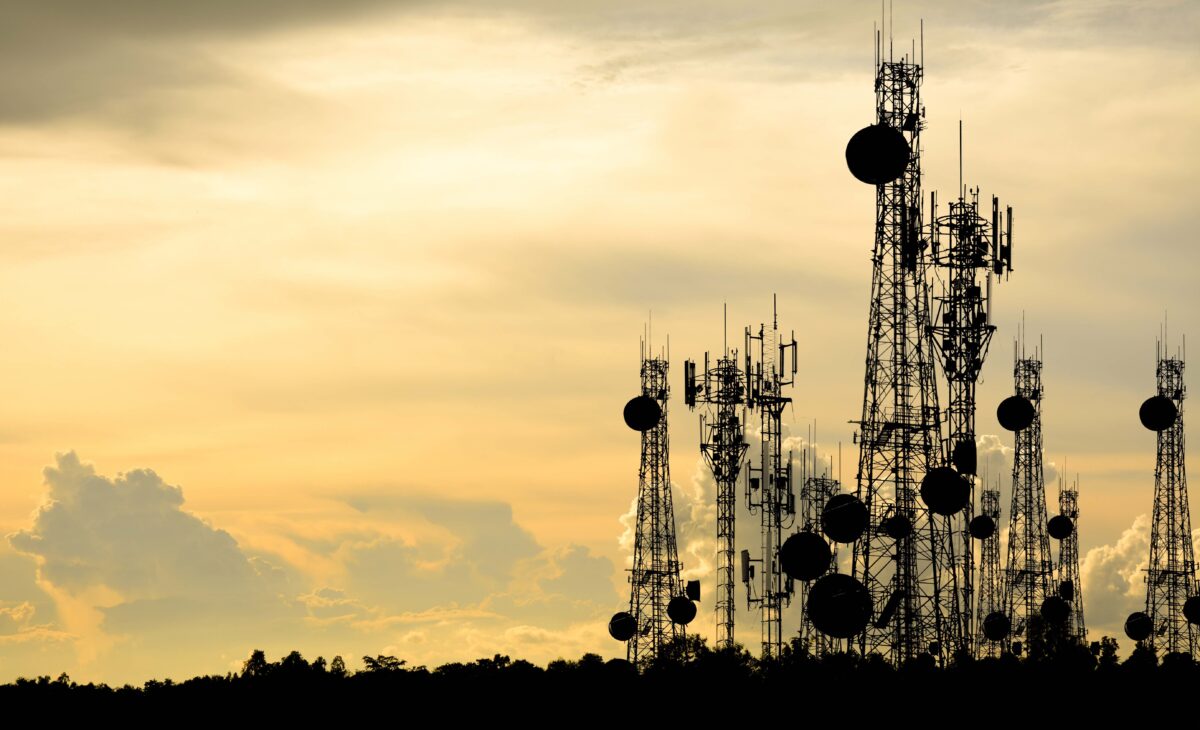
The amount of electromagnetic frequencies (EMF) we are exposed to has skyrocketed in the past couple of decades. With 5G technology now fueling the internet of devices, our near-constant use of smartphones, and ubiquitous hotspots, we must consider the ramifications of these long-term exposures.
Experts have told us for years that EMFs aren’t harmful to our health, but a growing body of research indicates that EMFs actually affect the human body in several detrimental ways.
EMF is invisible energy known as radiation that comes from sources of electricity and light, both natural and manmade. The Earth’s magnetic field and sunlight are examples of natural EMFs. Wi-Fi, electrical wiring, and cellphones are a few sources of manmade EMFs.
Each type of EMF has its own frequency, or the number of waves that pass through a fixed point per second, which is measured in hertz (Hz).EMF frequencies fall on a spectrum from extremely low frequency (radio waves) to extremely high frequency (gamma rays from space).
Here are some examples, from low to high frequencies:
-
AC power (50 to 60 Hz)
-
TV and radio waves
-
Cellphone signals
-
Wi-Fi
-
Microwaves
-
Some cellphone networks and Wi-Fi
-
Infrared rays
-
Visible light
-
Ultraviolet (UV) light
-
X-rays
-
Gamma rays
-
Cosmic rays
EMFs are classified into two groups, according to the National Institute of Environmental Health Sciences:
-
Low-level, non-ionizing EMF radiation: These EMFs have a frequency lower than visible light. These are often thought of as harmless because they don’t involve electron detachment from atoms. Examples of these include Wi-Fi, power lines, and Bluetooth.
-
High-level, ionizing EMF radiation: This type of EMF has enough energy to disrupt the structure of an atom by ionizing the atom, which means detaching an electron from it. These EMFs have frequencies higher than visible light. Some examples of this radiation include X-rays, gamma rays, and ultraviolet light.
There is no real controversy about findings that exposure to high-level ionizing EMF radiation is harmful to human health.
The potential harms of low-level, non-ionizing radiation remain controversial, despite growing evidence suggesting it has adverse effects on health.
How Do EMFs Cause Damage to the Body?
Research shows that low-frequency radiation disrupts voltage-gated calcium channels (VGCC), which are transmembrane proteins found in many of our cells. In healthy cells, there’s a very specific amount of calcium that maintains homeostasis, and if there is too much, that can contribute to problems. VGCCs act as gatekeepers for the cell, allowing calcium ions to enter the cell to support processes such as gene expression, endocrine balance, and neurotransmitter function. They are found in various cells and are important regulators of the brain, heart, and muscles.
Many studies show how VGCCs are disrupted by EMFs. These studies demonstrate that low-level radiation causes a huge influx of calcium ions into the cells. This calcium influx can lead to oxidative stress, DNA damage, apoptosis (cell death), disruption of enzyme activity, and excitotoxicity (damage to brain cells). These damaging effects on the body can lead to various diseases.
Humans are electrical beings—all of our cells have a measurable voltage. All organs, including the brain and heart, function based on intricate electrochemical signals. These signals are intimately involved in virtually every process in the body, from digestion and muscle movement to brain function and sleep. EMFs can directly affect the “electricity” within our bodies and disrupt normal physiology.
Health Risks From EMF Exposure
While more research is needed, there have been studies showing a link between EMF exposure and various health problems.
-
Autism spectrum disorder and other neurological disorders
-
Increased severity of other conditions such as Lyme disease and mold illness
Electromagnetic Hypersensitivity Syndrome
EMF exposure can manifest as many symptoms. Symptoms include:
-
Fatigue
-
Difficulty concentrating
-
Headaches
-
Nausea
-
Dizziness
-
Heart palpitations
-
Digestive issues
-
Red skin
-
Tingling
-
Burning sensation
-
Sleep disruption or insomnia
-
Muscle aches and pains
-
Depression
-
Infertility
-
Tinnitus
-
Cardiac arrhythmia
How Do EMFs Affect Children?
Children are more susceptible to EMFs because of the rapid development of their bones and nervous systems. Additionally, children’s brain tissue is more conductive, making it especially vulnerable. The brain’s protective barrier, the blood-brain barrier, is also more permeable in children; some say it is not fully sealed until age 7.
Because this barrier isn’t yet fully intact in many young children, their brains are even more vulnerable to the toxins and free radicals present in the bloodstream. The absorption rate of EMF produced by cellphones differs between children and adults because EMF penetrates deeper into the smaller head.
A 2011 study published in Electromagnetic Biology and Medicine helps to illustrate EMFs’ great absorption by the brain. The authors say, “When electrical properties are considered, a child’s head’s absorption can be over two times greater, and absorption of the skull’s bone marrow can be 10 times greater than adults.”
With this in mind, screen time should be non-existent or incredibly limited in our pediatric population.
How to Protect Yourself and Your Loved Ones
Despite the onslaught of EMFs in our environment, there are ways to protect yourself and your loved ones from EMF exposure. Three key aspects of protecting yourself include: reducing your use of EMF-emitting devices, increasing the distance between yourself and EMF sources, and choosing hardwired options over wireless ones.
-
Turn off Wi-Fi whenever possible, especially while you sleep. Install a switch to easily turn it off.
-
Remove your Apple Watch, Fitbit, or other wearables at night or whenever you’re not using them.
-
Get rid of your microwave oven.
-
Keep your phone on airplane mode when you are not using it.
-
Turn off Bluetooth in your car.
-
Avoid smart appliances, home devices, and 5G-enabled cellphones.
-
When talking on the phone, use the speakerphone function and hold it away from your body.
-
Do not carry your phone on your body.
-
Use a Faraday case while carrying your phone to block its radiation.
-
Do not use your phone when the signal is weak because it will boost its output to reach a signal.
-
Use an EMF protection device on your cellphone, iPad, laptop, and desktop computer.
-
When using a laptop, use a shield to protect yourself from harmful radiation. This is particularly important in keeping reproductive organs safe.
-
Use EMF-shielding paint in sleeping areas.
-
Remove all fluorescent bulbs and fixtures from your home.
-
If you can’t turn off your Wi-Fi at night or are still exposed to your neighbor’s Wi-Fi, use a Faraday canopy to protect your sleep environment.
-
Install a cover over your smart meter and try to place beds as far away from it as possible.
-
Use a hardwired mouse, keyboard, telephone, and Wi-Fi modem via Ethernet.
While EMF exposure is the reality of our world today, there are tools to protect yourself and your loved ones. With intention and action, you can drastically reduce EMF exposure in your environment.