



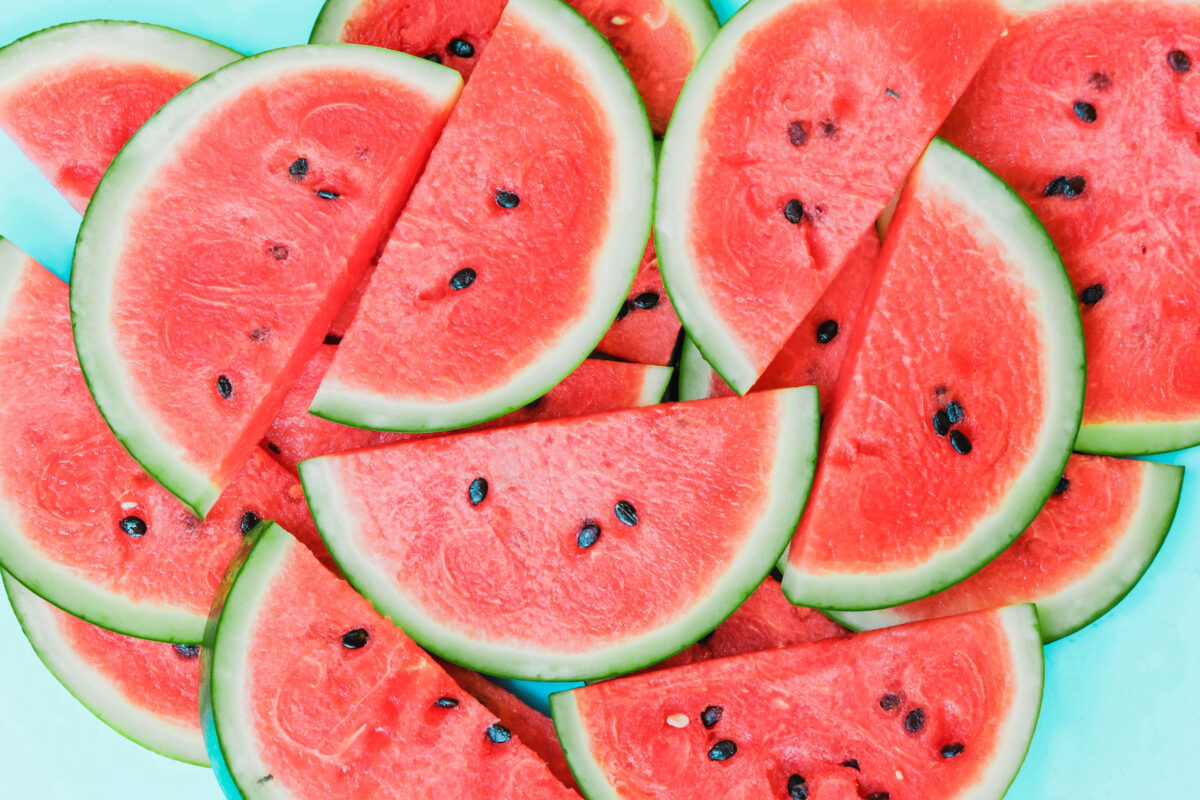
Watermelon is one of summer’s most recognisable rituals.
It arrives cold from the fridge, its green skin splitting open to reveal that unmistakable expanse of red. We eat it with the mild urgency of people who understand that cold watermelon is one of life’s few uncomplicated joys, somewhere between jumping into the ocean on a hot day and finding ten dollars in a coat pocket you do not remember owning.
The red flesh disappears quickly. The green rind is discarded. The seeds are flicked aside with the confidence of people who assume they understand how fruit works. It is widely thought that the edible portion of the watermelon is the red centre, and everything else is merely structural packaging—nature’s version of bubble wrap.
The White Rind and the Seeds
This is incorrect, because the white rind and the seeds—the parts most often rejected—contain some of the fruit’s most useful compounds.
The watermelon is, in fact, a fully integrated system, and we have been interacting with it in the shallowest possible way.
The rind, that pale, unfashionable section between the glamorous red interior and the stoic green exterior, contains high levels of citrulline, an amino acid involved in circulation.
Citrulline helps produce nitric oxide, which relaxes blood vessels and improves blood flow. This matters because circulation is how the body distributes oxygen and nutrients.
Pickled Watermelon
The rind also contains fibre and less sugar than the red flesh, making it metabolically useful.
Historically, people ate it. They pickled it. They cooked it. Modern culture, by contrast, has decided that anything requiring interpretation is suspicious and should be removed immediately.
The seeds have suffered a similar reputational collapse. They are nutritionally dense, containing magnesium, folate, plant protein, and beneficial fatty acids. Magnesium supports muscle and nerve function. Folate supports cellular repair. The fatty acids support cardiovascular health. These seeds are, objectively, useful. Their main failure is aesthetic.
Roasted Watermelon Seeds
Properly roasted, watermelon seeds provide nutritional value comparable to other seeds people consume enthusiastically once they have been rebranded and placed in small, expensive bags.
The red flesh remains the fruit’s primary ambassador. It is approximately 92 percent water, which makes it effective for hydration. Hydration underpins almost every function in the body. It affects cognition, energy, and mood. Dehydration makes people slower and more irritable.
Hydration and Vitamins
Watermelon delivers hydration alongside natural sugars, which restore energy gently.
It also contains vitamin C and vitamin A, which support immune function, tissue repair, and vision. These nutrients operate continuously, maintaining structural integrity without ever being acknowledged directly.
Watermelon is also rich in lycopene, an antioxidant that protects cells from oxidative stress. Oxidative stress is the slow accumulation of damage over time. Lycopene helps resist this process. It is, in its way, an act of quiet resistance.
Digestive Benefits
Its digestive benefits are similarly understated. Its water content assists digestion. Its fibre supports the gut microbiome, which regulates immune function and metabolic balance.
Importantly, watermelon achieves all of this while remaining low in calories. It satisfies appetite without consequence.
Originating in Africa, it provided hydration in difficult climates. Ancient Egyptians placed watermelons in burial sites, recognising their value beyond immediate consumption.
There are, inevitably, limitations. Watermelon contains natural sugars. Moderation is sensible for some people. Digestive tolerance varies. These are manageable realities.
Ultimately, watermelon’s value lies in its completeness.
It hydrates, supports circulation, maintains balance, and protects cells. Its usefulness extends beyond the red flesh to the rind and seeds.
Watermelon offers a simple pleasure. It also offers something more practical.
It keeps things working.