



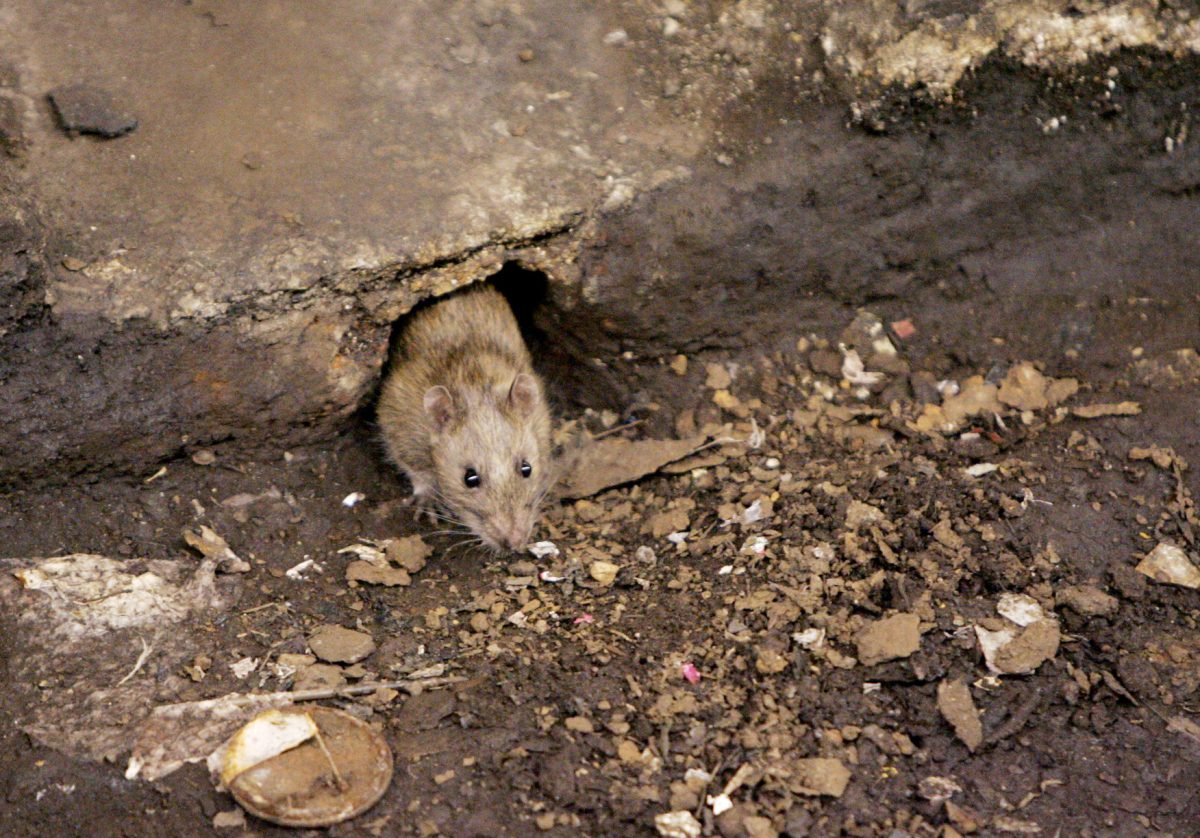
Colorado officials said an adult resident of the state died from hantavirus after being exposed to a rodent and that it was not connected to an outbreak on a cruise ship earlier this month.
In a May 16 news release, Colorado’s Douglas County Health Department confirmed that the hantavirus death was reported in Douglas County, in the Denver metropolitan area.
“This case is not linked to the MV Hondius cruise ship outbreak,” the statement said, referring to the incident in the Atlantic Ocean confirmed in early May.
Officials said that the Douglas County infection was “acquired by local exposure to rodents” and that “risk to the general public remains low.” No other information about the person was released, and an investigation is still underway, they added.
The strain of hantavirus that caused the death in Colorado was the Sin Nombre variant, according to county officials. The cruise ship outbreak was confirmed to have been caused by the Andes virus, a variant found in South America.
“In Colorado, the deer mouse is the rodent species that most commonly exposes people to the virus. Avoiding exposure to rodents and their urine, feces, saliva, and nesting materials is the best way to prevent infection,” Douglas County officials said, adding that hantavirus cases in the state usually occur in the spring and summer months.
According to the Centers for Disease Control and Prevention (CDC), 890 cases of hantavirus in the United States were reported between 1993, when surveillance started, and 2023. Of that figure, 121 have been confirmed in Colorado, the second-highest after New Mexico, which saw 129 cases in that time period.
Officials in New Mexico said that the wife of the late actor Gene Hackman, Betsy Arakawa, died of a hantavirus infection after the two were found dead in their Santa Fe home last year.
Around 35 percent of people who contract the virus die, according to the CDC. Most cases in the United States (94 percent) occur to the west of the Mississippi River, according to the agency’s website.
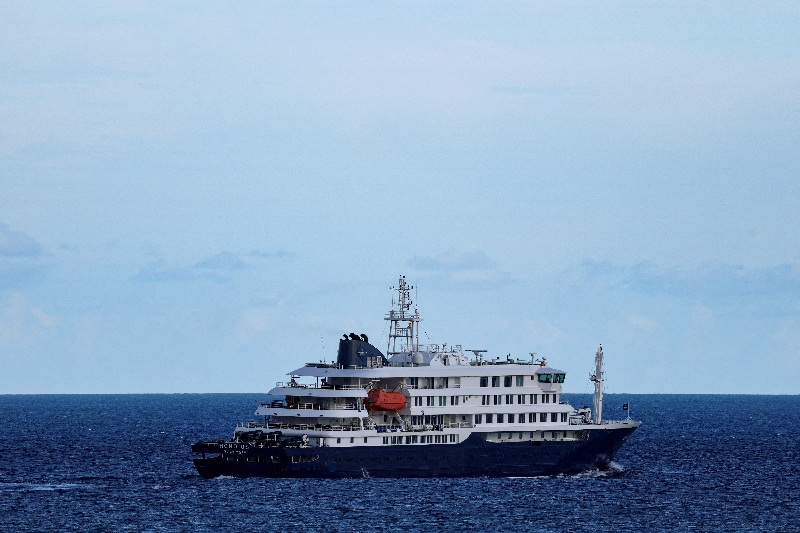
No cases of hantavirus connected to the MV Hondius outbreak have been reported so far in the United States, Dr. Jay Bhattacharya, head of the National Institutes of Health and the current acting director of the CDC, said in a May 15 call.
“There are no hantavirus cases in the United States currently, and I will emphasize that the risk to the general public remains extremely low,” he said.
The incubation period of hantavirus is up to 42 days. Dozens of Americans are currently in quarantine at medical facilities in the United States or are being monitored at home because they were either on the cruise ship or came into contact with people who were on the vessel, officials said.
The MV Hondius left Argentina on April 1 and traveled to remote locations around the world, including Antarctica. The last of the passengers on the cruise ship disembarked on May 11.
Zachary Stieber contributed to this report.